
Embossing and debossing are captivating techniques that add a unique texture and depth to designs, transforming ordinary products into extraordinary pieces of art.
Whether you’re a seasoned designer or a novice exploring the world of creative craftsmanship, understanding these methods will unlock endless possibilities in your projects.
In this article, we will delve into the definitions and differences between embossing and debossing, explore their historical significance, and provide insights into the tools and techniques required to master these art forms.
From applications across various industries to tips for successful execution, you’ll learn how to elevate your designs and make a lasting impression with the art of embossing and debossing.
Key Takeaways
- Embossing creates raised designs, while debossing produces impressions, each adding unique texture.
- These techniques date back centuries, highlighting their enduring appeal in design.
- Selecting appropriate tools and materials is crucial for achieving the best results in embossing and debossing.
- Applications span various industries, from packaging to stationery, enhancing product aesthetics.
- Mastering specific techniques can significantly enhance the visual depth of your designs.
Understanding Embossing and Debossing: Definitions and Differences
Embossing and debossing are both popular techniques used in print media and product design, yet they serve distinct purposes and produce different visual effects.
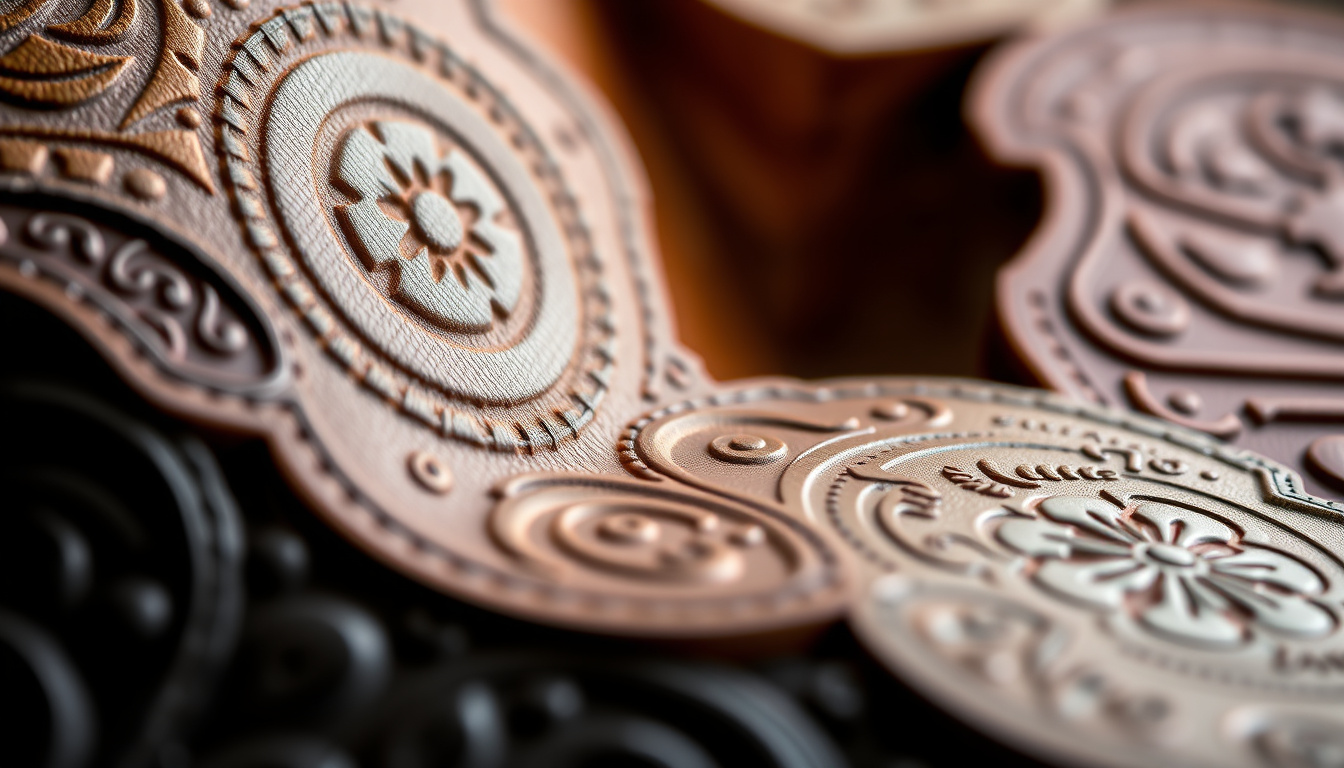
Embossing refers to the process of creating a raised design on a surface, giving it a tactile quality that can enhance the visual appeal of products such as business cards, invitations, and packaging.
This technique often employs heat and pressure to lift the design above the surrounding area, creating a three-dimensional effect that catches the light and draws attention.
Conversely, debossing involves pressing a design into a surface, creating a recessed effect.
This method also employs heat and pressure but results in an indention where the design sits lower than the surrounding material.
Both techniques can be utilized to add luxury and sophistication to printed materials, but the choice between embossing and debossing ultimately depends on the desired aesthetic and functional outcomes.
Understanding these differences can help designers make informed decisions to elevate their projects.
The History of Embossing and Debossing Techniques
The history of embossing and debossing techniques dates back to ancient civilizations, where craftsmen would use these methods to create decorative patterns on various materials, from textiles to metalworks.
Embossing, which involves raising the surface of the design above its background, and debossing, which presses the design into the surface, have evolved significantly over the centuries.
In the early days, these techniques were primarily used in bookbinding and card making to enhance the aesthetic appeal of printed materials.
The invention of steam-powered printing presses in the 19th century revolutionized embossing and debossing, making these techniques more accessible to businesses, leading to the rise of branded products.
Today, embossing and debossing are widely utilized in packaging design, luxury stationery, and marketing materials, adding a tactile and visual depth that attracts consumers’ attention and enhances brand identity.
‘Design is the silent ambassador of your brand.’ – Paul Rand
Choosing the Right Tools and Materials for Embossing and Debossing
When it comes to mastering the art of embossing and debossing, selecting the right tools and materials is paramount to achieving professional results.
Embossing involves creating a raised design on a surface, while debossing produces an indented effect.
For both techniques, the choice of materials greatly influences the quality of your work.
Start with high-quality cardstock or leather, which not only withstands the pressure needed for embossing and debossing but also provides crisp, clean impressions.
Additionally, invest in a reliable embossing machine or hand-held tools such as brass or aluminum dies, which can make a significant difference in the precision of your designs.
Don’t overlook the importance of ink and foils; these can enhance the visibility of your embossed or debossed patterns.
By carefully selecting your tools and materials, you can elevate your projects and bring your creative visions to life with stunning detail.
Applications of Embossing and Debossing in Various Industries
Embossing and debossing techniques have found extensive applications across various industries, showcasing their versatility and effectiveness in enhancing product appeal and brand recognition.
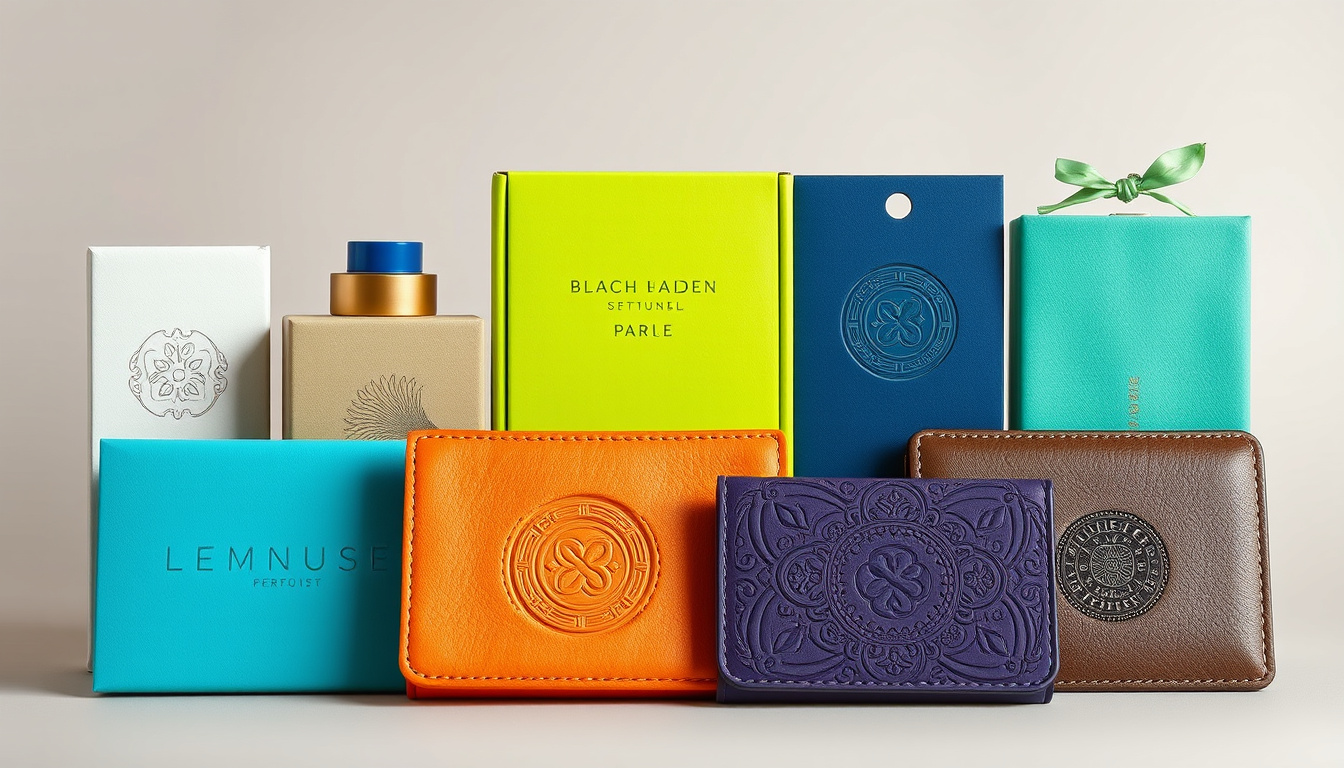
In the printing and packaging sector, embossing and debossing are commonly used to create texture on labels and boxes, adding a tactile element that engages consumers.
For instance, luxury brands often employ these methods on their packaging to convey an upscale vibe, thus attracting discerning customers.
In the fashion industry, embossed logos on leather goods not only enhance aesthetics but also serve as a mark of authenticity, elevating the perceived value of the products.
Furthermore, in the architectural field, embossing can be applied to wall coverings and materials, providing a unique visual dimension and depth.
The versatility of embossing and debossing continues to expand as more industries recognize their potential to improve visual appeal and tactile experiences, demonstrating that these techniques are more than just art forms; they are powerful marketing tools.
Techniques to Enhance Texture and Depth in Your Designs
When it comes to adding dimension and interest to your designs, embossing and debossing are two powerful techniques that can transform flat surfaces into captivating visual experiences.
Embossing is the process of creating a raised effect on materials such as paper, cardstock, or leather, resulting in a tactile and visually stimulating design that draws the eye and invites touch.
Conversely, debossing involves pressing the material down to create an indented effect, offering a subtle yet sophisticated way to enhance your artwork or branding.
Both techniques can be applied effectively in various applications, from business cards and stationery to packaging and promotional materials.
By integrating embossing and debossing into your design workflow, you are not only increasing the aesthetic appeal of your work but also adding a level of professionalism that can set your projects apart from the competition.
Consider incorporating these techniques to elevate the texture and depth of your designs, leaving a lasting impression on your audience.