
If you sell a physical product, packaging printing is one of the most powerful — and most overlooked — levers you have to transform your brand and increase sales. Smartly designed, well-printed packaging can attract attention on the shelf, communicate value in seconds, and turn casual buyers into loyal fans.
Below you’ll find practical, actionable tips on how to use packaging printing strategically, whether you’re launching a new product or upgrading an existing line.
Why Packaging Printing Matters More Than Ever
Modern shoppers make split-second decisions. In crowded retail aisles and endless ecommerce scrolls, your packaging is often the first — and sometimes only — touchpoint with your brand.
Done right, packaging printing can:
- Differentiate you from similar products
- Instantly convey quality and trust
- Communicate your brand story and values
- Improve perceived value (so you can justify higher prices)
- Reduce returns by setting clear expectations
Research shows that packaging design strongly influences purchase decisions, especially for new products (source: Packaging World). Printing is the medium that makes that design vivid, legible, and emotionally engaging.
Start With Strategy: Define Your Packaging Printing Goals
Before choosing materials, inks, or finishes, be clear on what you want your packaging to achieve. Ask:
- Who is my ideal customer, and what do they care about?
- Where will my product be sold (retail shelf, ecommerce, subscription boxes, pop-up shops)?
- What’s the single most important message my packaging must communicate?
- How do I want customers to feel when they see and touch the package?
From those answers, set specific packaging printing goals, such as:
- Increase shelf visibility in a certain category
- Support a premium price point
- Highlight sustainability to eco-conscious buyers
- Improve unboxing experience for ecommerce
A clear strategy prevents you from overloading your packaging and helps you prioritize the printing elements that truly matter.
Clarify Your Brand Visuals Before You Print
Packaging printing amplifies whatever brand assets you already have. If those are unclear or inconsistent, printing will only make the problem more obvious.
Ensure you have:
- A defined color palette (preferably with CMYK and Pantone values)
- A primary logo and secondary marks (icons, badges)
- Brand typography (headline and body fonts)
- A style for imagery or illustration (minimalist, bold, organic, etc.)
Create a simple brand guide — even a 2–3 page document — and share it with your designer and printer. This will keep every piece of packaging aligned, so customers recognize you instantly across products and channels.
Use Color in Packaging Printing to Signal Positioning
Color is the fastest way your packaging can communicate category, price point, and brand personality.
Choose Colors That Match Your Product and Market
- Premium / luxury: Deep blacks, rich navy, metallics, and subtle contrasts
- Natural / organic: Earth tones, greens, muted palettes, uncoated kraft materials
- Fun / youthful: Bright, high-saturation colors, playful contrasts
Look at competitors’ packaging printing in your category. You can either:
- Align with category norms so your product is easily recognized, or
- Intentionally disrupt to stand out — but still feel relevant.
Whatever you choose, make sure color choices support your positioning, not just your personal taste.
Control Color Accuracy
Colors can shift dramatically between digital mockups and printed reality. To avoid surprises:
- Work in CMYK for print designs, not RGB.
- Use Pantone spot colors for key brand elements if budget allows.
- Ask your printer for a physical proof or color swatch.
Consistent color across product lines builds brand recognition and trust.
Typography: Make Your Message Instantly Clear
Great packaging printing isn’t only about looks; it must be readable at a glance.
Prioritize Hierarchy
Decide what customers must see first, second, and third. Typically:
- Brand name / logo
- Product name or variant
- Key benefit or differentiator (“Sugar-free,” “With Vitamin C,” “30-Day Supply”)
Use size, weight, and color contrast to create a clear hierarchy. If everything shouts, nothing is heard.
Make It Readable in Real Conditions
- Use adequate type sizes, especially for product names and key benefits.
- Maintain strong contrast (dark text on light backgrounds or vice versa).
- Avoid overly decorative fonts for important information.
Test by printing your design at actual size, putting it on a shelf or table, and viewing it from 3–6 feet away. If you can’t read it quickly, adjust before final printing.
Enhance Brand Perception With Finishes and Special Effects
One of the biggest advantages of modern packaging printing is the range of special finishes that can elevate your product and justify higher prices.
Consider:
- Matte or soft-touch coatings: Create a velvety, premium feel.
- Spot UV: Adds shine to selected areas (logos, product names) for emphasis.
- Foil stamping: Metallic accents for luxury or high-impact details.
- Embossing/debossing: Raised or recessed effects that add tactile interest.
- Holographic or iridescent films: Trendy, eye-catching for beauty, tech, and lifestyle brands.
Use these sparingly and strategically. A single spot-UV logo on a matte box can look more premium than covering the entire package with effects.
Design for Both Shelf Appeal and Ecommerce Thumbnails
If you sell online, your packaging printing must work in two contexts:
- Physical reality: How it looks and feels in customers’ hands
- Digital representation: How it appears in product photos and tiny thumbnails
To optimize for both:
- Make sure brand and product names are bold enough to be legible in small images.
- Avoid super-fine details that disappear on screens.
- Use clear, uncluttered front panels for strong product photos.
Well-designed, well-printed packaging can significantly improve click-through and conversion rates in ecommerce because it signals professionalism and reliability.
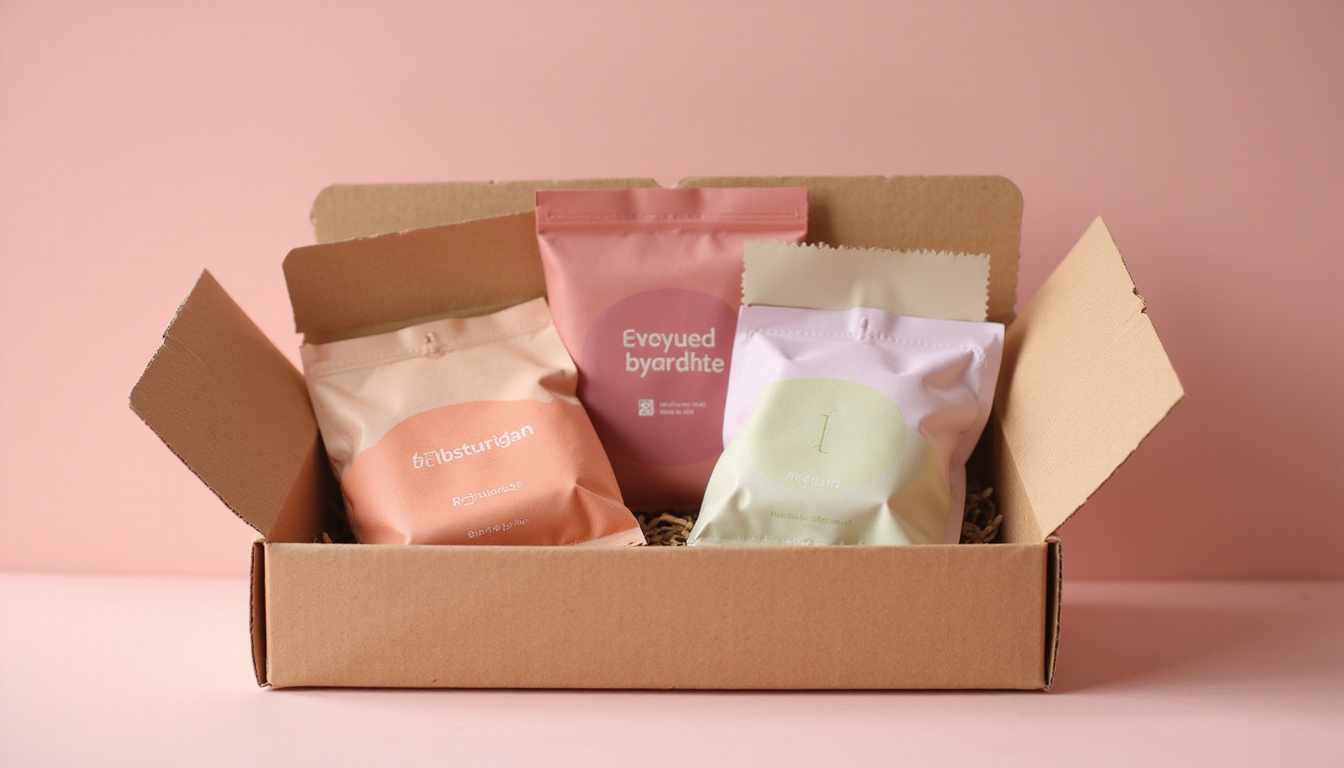
Communicate Value Quickly With Front-of-Pack Messaging
Customers rarely read everything on the package. The main panel should communicate a simple, compelling reason to buy.
Use packaging printing to highlight:
- Primary benefit (“Long-lasting hydration,” “All-day energy,” “Fast relief”)
- Core differentiator (“Plastic-free,” “Clinically tested,” “Zero added sugar”)
- Reassurance badges (vegan, cruelty-free, certifications, guarantees)
Keep it concise and scannable. A cluttered front panel confuses rather than persuades.
Use the Sides and Back to Educate and Build Trust
Once the front has captured attention, curious shoppers turn the box to learn more. This is your chance to deepen the relationship.
On the sides and back, leverage packaging printing to:
- Tell a short brand story (why you exist and who you serve)
- Explain how to use the product clearly
- List ingredients or materials transparently
- Add social proof (awards, reviews, expert endorsements)
- Include QR codes linking to videos, instructions, or loyalty programs
This information builds credibility and helps reduce returns and negative reviews by setting clear expectations.
Balance Creativity With Compliance
In many categories, packaging printing must follow legal and regulatory requirements:
- Food and beverages: nutrition facts, allergens, legal names
- Cosmetics and personal care: ingredient lists, warnings, usage instructions
- Supplements: disclaimers, recommended use, safety statements
- Electronics: safety marks, certifications, disposal instructions
Work with your printer and, if needed, a regulatory consultant to ensure your design meets regional requirements. Non-compliance can lead to fines, recalls, or being delisted by retailers.
Choose the Right Packaging Printing Method
Your budget, volume, and design will influence which printing technique is best.
Common Printing Options
-
Digital printing:
- Best for: small runs, frequent design changes, personalized packaging
- Pros: low setup cost, fast turnaround, variable data (names, unique codes)
- Cons: higher unit cost at large volumes, some limitations with special finishes
-
Offset (lithographic) printing:
- Best for: large runs with consistent designs
- Pros: excellent quality, cost-effective at scale, wide color accuracy
- Cons: higher setup cost, less economical for small batches
-
Flexographic printing:
- Common for: flexible packaging, labels, corrugated boxes
- Pros: efficient for high volumes, works on various substrates
- Cons: less ideal for very fine detail than offset in some cases
Discuss your goals, budget, and expected quantities with your printer. They can recommend the most suitable packaging printing process for your situation.
Make Sustainability Part of Your Packaging Story
Consumers are increasingly judging brands by their environmental impact. Packaging is a visible and tangible place to demonstrate your commitment.
Options include:
- Using recycled or FSC-certified paperboard
- Choosing biodegradable or compostable materials where practical
- Reducing unnecessary layers and plastic components
- Clearly marking recyclability and disposal instructions
Then, print that story on the packaging: use icons, brief explanations, or a QR code linking to a sustainability page. Authentic, transparent communication can strengthen loyalty with eco-conscious buyers.
Test, Iterate, and Track Results
The most effective packaging printing strategies are rarely “one and done.” Treat packaging like any other marketing asset: test, measure, refine.
Here’s a simple process:
- Prototype: Print small runs or mockups and gather internal feedback.
- Field test: Show options to target customers, retailers, or focus groups.
- Compare: In retail, test new vs. old packaging in similar stores; online, A/B test product images.
- Measure: Track changes in:
- Sales volume and velocity
- Average order value
- Repeat purchase rates
- Customer feedback and reviews
Use these insights to make incremental improvements — color adjustments, clearer benefits, refined typography — and reprint when there’s a strong business case.
Practical Checklist for Effective Packaging Printing
Use this quick list as you move from concept to print-ready file:
- [ ] Clear packaging goal (premium, eco, mass-market, etc.)
- [ ] Consistent use of brand colors, logo, and typography
- [ ] Strong front-panel hierarchy (brand, product, key benefit)
- [ ] Legible text at real-life viewing distances
- [ ] Appropriate finishes to support positioning
- [ ] Compliance with local regulations and category standards
- [ ] Sustainability choices aligned with brand values
- [ ] Printer consulted early for technical feasibility
- [ ] Physical proof or prototype reviewed and approved
- [ ] Plan to measure impact on sales and customer response
FAQ About Packaging Printing
Q1: How can custom packaging printing boost brand recognition?
Custom packaging printing uses consistent colors, logos, and typography across all your products, making your brand immediately recognizable on shelves and in online photos. Repetition of these elements builds memory, so customers can quickly find and trust your products in a crowded category.
Q2: What is the best printing method for small-batch product packaging?
For low to medium quantities or frequent design changes, digital packaging printing is usually best. It offers high-quality output with low setup costs and allows you to test designs or run seasonal editions without committing to huge volumes.
Q3: How do I keep packaging printing eco-friendly without losing quality?
Choose responsibly sourced or recycled substrates, water-based or soy-based inks when available, and simplified structures that use less material. Pair these with high-quality printing and tasteful finishes so your packaging still feels premium while communicating your sustainability commitments clearly.
Turn Your Packaging Into a Silent Salesperson
Every box, label, or pouch you send into the world is a silent salesperson representing your brand. Strategic packaging printing can transform that salesperson from a generic order-taker into a persuasive closer — one that attracts attention, communicates value in seconds, and supports loyal, repeat customers.
If you’re ready to refresh your packaging or launch a new product line, start by revisiting your goals, refining your brand visuals, and talking with a trusted printer about the best materials and methods. Invest in prototypes, gather real feedback, and refine until your packaging works as hard as you do to grow your brand and increase sales.
Your next big sales lift might not come from another ad campaign — it could come from the package your customer holds in their hands.