
Stationery printing is one of the most underrated tools in modern branding, yet it can be a powerful driver of trust, memorability, and sales. In an age where inboxes are overflowing and feeds are crowded, well-designed, tactile stationery cuts through the noise and makes your brand feel real, established, and dependable.
This guide walks you through practical, ROI-focused stationery strategies that any business—from solo consultants to growing e‑commerce brands—can use to boost brand recognition and revenue.
Why Stationery Printing Still Matters in a Digital-First World
With so many digital channels available, it’s easy to assume that physical stationery has lost its impact. The reality is the opposite.
Printed stationery:
- Creates a tangible brand experience your clients can hold and keep
- Signals professionalism and stability
- Reinforces your visual identity across multiple touchpoints
- Encourages word-of-mouth when shared, passed along, or seen by others
According to research, people tend to remember information better when they see it in print compared to screens, thanks to deeper cognitive engagement (source: Two Sides). That means your printed business card, letterhead, or thank-you note can make a longer-lasting impression than one more email or DM.
Start With Strategy: Define the Purpose of Your Stationery
Before you invest in stationery printing, be specific about the role it will play in your marketing and sales efforts.
Ask:
- What action do I want the recipient to take?
- Where will this stationery appear in the customer journey?
- How will it reinforce or extend my existing brand assets?
Common strategic roles for stationery include:
- Lead generation – Business cards and postcards that drive people to a landing page or QR-coded offer.
- Conversion and upsell – Printed inserts in packages that promote add-ons, subscriptions, or referral discounts.
- Retention and loyalty – Hand-signed thank-you cards, anniversary postcards, or special-member notes.
- Brand authority – High-quality letterheads, envelopes, and presentation folders that convey credibility in B2B contexts.
When you’re clear on the purpose, your design, copy, and print choices become much more focused and effective.
Core Brand Elements Every Piece of Stationery Must Carry
Consistency is what turns one-off impressions into a recognizable brand. For every piece you produce through stationery printing, lock in these brand elements:
- Logo: Use a high-resolution vector version for crisp reproduction.
- Color palette: Stick to 1–3 brand colors plus neutrals; ensure CMYK values are standardized.
- Typography: Limit to one primary and one secondary typeface to avoid visual clutter.
- Tone of voice: Your words on print should sound like your website and social media.
- Contact and CTA: Make it easy to connect with you and know the next step.
If you don’t yet have a formal brand style guide, define basic rules before you print. This prevents each batch of stationery from looking like it belongs to a different company.
High-Impact Stationery Types That Build Recognition and Drive Sales
Not all stationery has equal influence on brand perception or revenue. Focus budget and creative energy on the pieces that your customers are most likely to see, keep, and share.
1. Business Cards That Actually Generate Leads
A business card is still a mini sales tool—if you treat it that way.
To upgrade your stationery printing for business cards:
- Add a clear call to action (“Scan for 10% off your first order,” “Book a free consult”).
- Include a QR code that links to a landing page, not just your homepage.
- Use both sides: front for key info, back for a mini offer, tagline, or testimonial.
- Consider special finishes (spot UV, foil, textured stock) for memorability in premium markets.
Aim for a design that is simple, scannable at a glance, and clearly differentiated from generic templates.
2. Letterheads and Envelopes That Signal Professionalism
Clients and partners judge the seriousness of your business by the documents they receive.
Effective letterhead and envelope printing:
- Keeps the layout clean and minimal with lots of white space.
- Places your logo and contact info in predictable, easy-to-find positions.
- Uses quality paper, especially if documents are signed, scanned, or archived.
- Matches the design across letters, invoices, proposals, and envelopes.
For sales and proposals, consistent letterhead design can subtly boost trust and win rate by making your brand look more established than competitors who send unbranded PDFs or plain documents.
3. Notepads, Sticky Notes, and Desk Essentials That Stay Visible
Branded notepads and sticky notes live on desks, in meeting rooms, and by phones—often for months. That’s ongoing brand exposure for a relatively low cost.
To maximize impact:
- Place your logo and URL subtly at the top or bottom to avoid cluttering the writing space.
- Consider adding a short tagline or benefit statement on each page.
- Use them as giveaways at events, inside welcome kits, or in client gift boxes.
This type of stationery printing is especially effective for service providers and B2B firms, where long-term relationship building is key.
4. Thank-You Cards and Inserts That Boost Repeat Sales
One of the most direct ways stationery increases revenue is through well-designed inserts and thank-you cards.
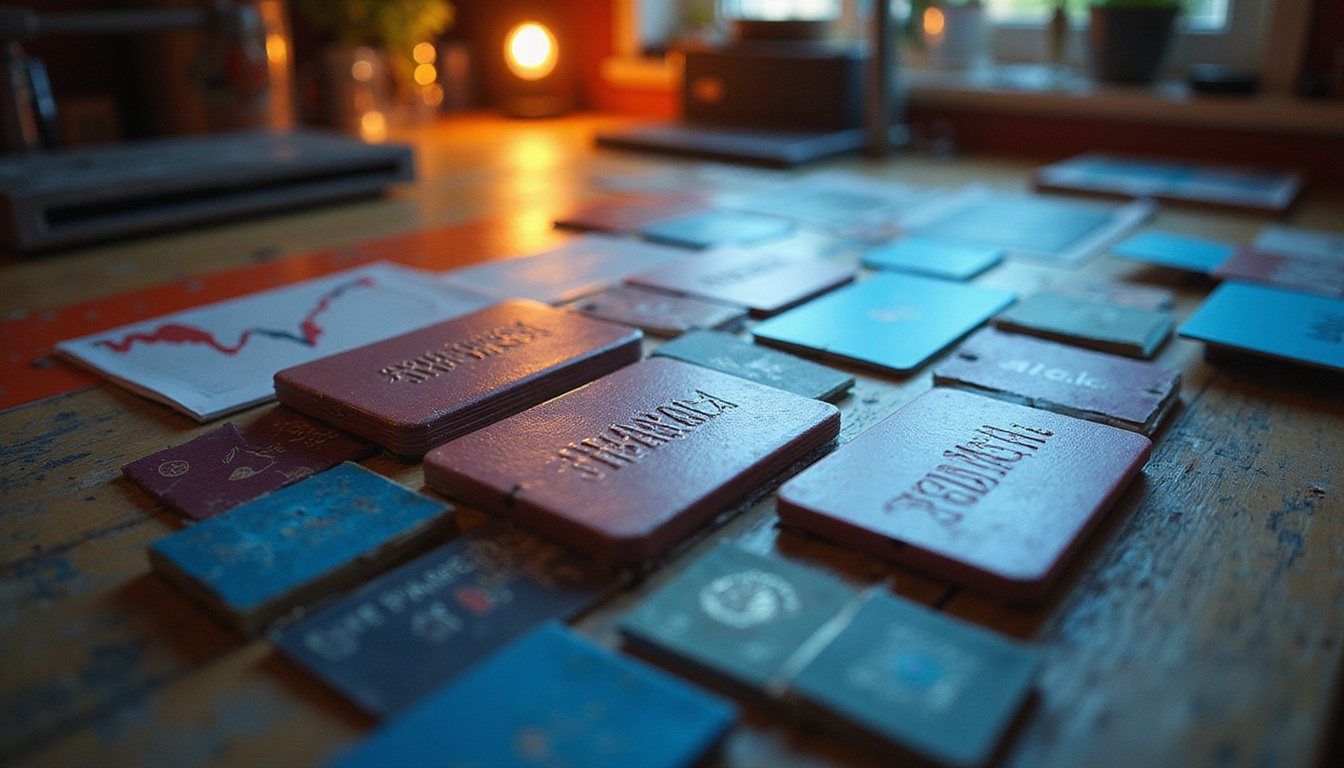
Ideas that work:
- Insert a thank-you postcard with a personal note and a repeat-purchase discount code.
- Add a card that asks for a review or referral, with a small incentive.
- For high-ticket services, send a handwritten card on branded stock after a project milestone.
These small touches humanize your brand and often lead to repeat orders, better reviews, and word-of-mouth referrals.
Design Principles That Turn Stationery Into a Brand Asset
Your stationery is not just a container for information; it’s a visual ambassador for your brand.
Key design rules:
- Hierarchy first: Decide what the viewer must see in 1–2 seconds (logo, name, CTA) and size those elements accordingly.
- Embrace white space: Don’t fill every corner. Breathing room makes your brand feel more premium and easier to read.
- Contrast for readability: Ensure strong contrast between text and background. Avoid light text on light colors.
- Align with brand personality: A bold tech startup might use bright colors and geometric shapes; a law firm might lean on classic typography and muted tones.
- Design for print, not just screen: Use CMYK color profiles, allow for bleed, and check margins so nothing gets cut off.
Working with a designer familiar with stationery printing can help you avoid common pitfalls like blurry logos, misaligned margins, or colors that look different in print.
Choose the Right Paper, Finishes, and Formats to Stand Out
Tactile quality is where print beats digital. The physical feel of your stationery strongly influences how “premium” your brand seems.
Consider these variables:
- Paper weight: Heavier stock (e.g., 300–400 gsm for business cards) feels more substantial and luxurious.
- Texture: Matte, silk, uncoated, linen, and recycled papers each send a different message.
- Special finishes: Spot UV, embossing, debossing, foil stamping, and rounded corners can elevate key pieces.
- Eco credentials: Recycled or FSC-certified paper aligns with sustainability values and can be a brand talking point.
Reserve the most expensive finishes for your highest-impact items—such as business cards for key decision-makers or premium proposals—while keeping standard items cost-effective.
Integrating Stationery Printing With Your Digital Funnel
To truly skyrocket brand recognition and sales, your printed stationery should work hand in hand with your online presence.
Here are practical integration tactics:
- Add QR codes linking to:
- Special offers or launch pages
- Booking calendars
- Case studies or portfolios
- Use unique URLs or discount codes on printed materials to track which stationery formats drive the most conversions.
- Mirror your social media handles and hashtags on certain pieces (e.g., event handouts, postcards).
- Encourage user-generated content with prompts like: “Share a photo of this card and tag us for a chance to win…”
This turns static print pieces into dynamic gateways that move people deeper into your funnel.
Measuring the ROI of Your Stationery Efforts
Stationery printing can feel hard to measure, but with a bit of planning you can connect it to concrete outcomes.
Track metrics such as:
- Number of leads or bookings from QR-coded cards or inserts
- Repeat purchase rate among customers who receive thank-you cards vs. those who don’t
- Closing rate for proposals sent on branded letterhead vs. unbranded
- Engagement from event attendees who receive branded takeaways
Use this data to refine which formats and messages you keep, scale, or drop.
Common Mistakes to Avoid in Stationery Printing
Avoiding a few frequent errors will save you money and protect your brand image.
- Inconsistent branding: Different logo versions, colors, or fonts across pieces confuse customers.
- Overloading information: Crowded cards and letterheads feel cheap and are harder to read.
- Low-resolution graphics: Pixelated images or logos instantly reduce perceived professionalism.
- Forgetting a clear CTA: If there’s no next step, you’re leaving money on the table.
- Ignoring proofing: Typos and incorrect contact details can kill trust and waste an entire print run.
Always print a small test batch or proof before committing to large quantities.
Simple Step-by-Step Plan to Upgrade Your Stationery
Use this quick roadmap to turn ideas into a cohesive stationery system:
- Clarify your goals (brand recognition, lead gen, loyalty, or all three).
- Audit existing materials and list what needs updating or standardizing.
- Create or refine a brand kit (logo files, colors, fonts, tone guidelines).
- Prioritize 3–5 stationery items with the highest impact (e.g., business cards, letterhead, thank-you cards, notepads, inserts).
- Work with a designer or use pro templates tailored for stationery printing.
- Choose paper stock and finishes appropriate to your budget and positioning.
- Add trackable elements (QR codes, custom URLs, unique discount codes).
- Order a test run, review, then scale what looks and performs best.
- Document standards so future printing stays consistent as your team or product line grows.
FAQ: Stationery Printing for Brand Growth
Q1: How can custom business stationery increase brand recognition?
Custom business stationery reinforces your logo, colors, and message every time someone receives a letter, card, or note from you. When your stationery printing is consistent across business cards, letterheads, envelopes, and notepads, it creates repeated, cohesive exposure that helps people recognize—and remember—your brand faster.
Q2: What types of printed stationery are best for small businesses?
For most small businesses, the highest-ROI items are branded business cards, letterheads, envelopes, and simple thank-you or note cards. Once those are in place, you can expand into items like branded notepads, appointment cards, and packaging inserts. Start with the stationery printing that will be seen the most and tied directly to sales conversations or customer touchpoints.
Q3: Is eco-friendly stationery printing more expensive, and is it worth it?
Eco-friendly options like recycled or FSC-certified paper can cost slightly more per unit, but the difference is often small—especially at scale. For brands whose audiences value sustainability, the trust and alignment this creates can more than justify the cost. You can also highlight your sustainable printing choices in your marketing to strengthen your brand narrative.
Thoughtfully executed stationery printing is far more than a cosmetic exercise; it’s a strategic asset that can elevate your perceived value, nurture relationships, and convert more prospects into loyal customers. If you’re ready to turn everyday touchpoints into powerful brand moments, now is the time to refresh your stationery—starting with a clear plan, consistent design, and a printer who understands your goals.
Begin by choosing the top three pieces of stationery that intersect most with your customers’ journey, and invest in making them unforgettable. Your next sale, referral, or long-term contract may start with a simple piece of paper that looks and feels exactly right.