
Shopper Marketing Secrets Retailers Use to Skyrocket Conversions
In a world where customers can buy almost anything with a few taps, shopper marketing has become one of the most powerful ways retailers turn browsers into buyers. It’s not just about pretty shelves or clever ads—it’s about understanding how people actually shop in real time and designing every touchpoint to guide them toward a purchase.
This article breaks down the shopper marketing secrets top retailers use to boost conversion rates—online and in-store—and how you can apply the same tactics to your brand.
What Is Shopper Marketing, Really?
Shopper marketing is the discipline of influencing shoppers’ behavior along the path to purchase—both online and offline—by blending insights, messaging, and environments that nudge them to buy.
Unlike traditional brand marketing (which focuses on long-term perception), shopper marketing zooms in on:
- The mindset of the customer while they’re shopping
- The environment where the purchase decision happens
- The triggers that can turn interest into action
In practice, shopper marketing spans:
- In-store displays, signage, and shelf layouts
- Retail media ads on retailer websites and apps
- Promotions and bundles at point of sale
- Omnichannel experiences linking digital research to physical buying
Top retailers treat this as a science, not a guess. The “secrets” are really processes: rigorous testing, shopper data, and micro-optimizations that compound into big conversion lifts.
Secret #1: They Design for Shopper Missions, Not Just Demographics
Most brands still segment customers by age, income, or gender. Retailers winning with shopper marketing go deeper: they plan around shopper missions—the specific job the trip is trying to accomplish.
Common missions include:
- Big weekly stock-up
- Quick top-up or “milk and bread” run
- Emergency or last-minute mission
- Special occasion/celebration
- Browsing for inspiration or self-treat
The same person might behave completely differently on a stock-up trip versus a quick top-up. Retailers map which categories, aisles, and promotions best serve each mission.
How they use this to boost conversions:
- Placing “fill-in” essentials (milk, eggs, bread) on a path that passes high-margin impulse products
- Creating themed zones (party, back-to-school, game night) that align with special-occasion missions
- Tailoring online homepage tiles and banners based on past mission behavior (e.g., “your usual top-ups”)
If you’re building a shopper marketing strategy, start by mapping your top 3–5 shopper missions and ask:
- What are they trying to accomplish fast?
- What decisions are hard for them?
- What could we simplify, bundle, or surface more clearly?
Secret #2: They Engineer “Frictionless” First Decisions
In shopper marketing, the first decision is critical. It might be:
- Which aisle to walk down
- Which category page to click
- Which filter to select
- Which product family to consider first
Retailers quietly optimize these moments to reduce friction and decision fatigue. Once a shopper has made an initial choice (e.g., choosing a brand family or category), they are more likely to continue within that frame.
Conversion tactics built around first decisions:
- Clear, bold navigation signs and aisle headers
- Well-structured category menus and filters online
- Default product sorting that balances relevance and profitability
- “Hero” products visually leading a section or page
For your own brand, ask: What is the very first micro-decision you want the shopper to make, and how can you make that step effortless and obvious?
Secret #3: They Treat the Shelf as Paid Media
The shelf—physical or digital—isn’t just a storage space. In advanced shopper marketing programs, it’s treated like paid media with premium “placements” and creative strategies.
On physical shelves:
- Eye-level and “eye-to-hand” zones get best-sellers or profitable SKUs
- Color blocking to attract attention and convey brand dominance
- Vertical brand blocking that lets eyes travel down and find variants easily
- Shelf strips, wobblers, and small call-outs to feature claims and deals
On digital shelves:
- Sponsored placements in top rows of category and search pages
- Product tiles optimized with clear images, benefit-led titles, and social proof
- “Shop the collection” or “complete the look” modules
Research has shown that 70%–80% of purchase decisions are made in-store at the shelf for many categories (source: POPAI / Shop! Association), which is why retailers pour so much effort into this area.
If you’re not treating the shelf like an ad unit—with creative, message hierarchy, and A/B testing—you’re missing one of the most powerful shopper marketing levers.
Secret #4: They Use Smart Promotions, Not Just Discounts
Price cuts alone don’t equal effective shopper marketing. Retailers aim to reframe value, not race to the bottom.
They do this by:
- Bundling complementary items (e.g., pasta + sauce + parmesan) for a “meal deal” feeling
- Tiered offers (e.g., “Buy 2, get 1 free”) that increase basket size
- Personalized coupons based on past purchases
- Time-based triggers (weekend-only, payday promos, limited runs) to create urgency
Smart retailers also watch promotion fatigue. Constant discounts train shoppers to wait. The secret is balancing everyday value, selective deep deals, and creative bundles that solve a problem (meals, routines, occasions) rather than just cutting price.
When planning shopper marketing promotions, focus on:
- Solving a complete need state (e.g., “family taco night kit”)
- Encouraging trial of higher-margin or new products
- Rewarding loyalty without always slashing prices
Secret #5: They Orchestrate Omnichannel Touchpoints
Leading retailers don’t see physical stores, websites, and apps as separate. Their shopper marketing teams design continuous journeys that follow the shopper from inspiration to checkout.
Examples of omnichannel tactics:
-
Online research → in-store purchase
- Shoppable recipes or how-to content that show in-store availability
- “Check in-store stock” buttons linked to local stores
- Mobile lists that map items to aisle locations
-
In-store browsing → online follow-up
- QR codes on shelves or displays leading to deeper product info or reviews
- Email follow-ups based on in-store loyalty card purchases
- Retargeting ads featuring products scanned in-app but not purchased
-
App as a shopping companion
- Store maps, product locators, and real-time deals
- Digital coupons auto-applied at checkout
- Personalized home screens showing frequently bought items
This is shopper marketing at its best: meeting people wherever they choose to shop, and ensuring the experience feels connected and consistent.
Secret #6: They Exploit Behavioral Science (Ethically)
Top retailers weave behavioral science into their shopper marketing strategies to subtly influence decisions—without deceiving.
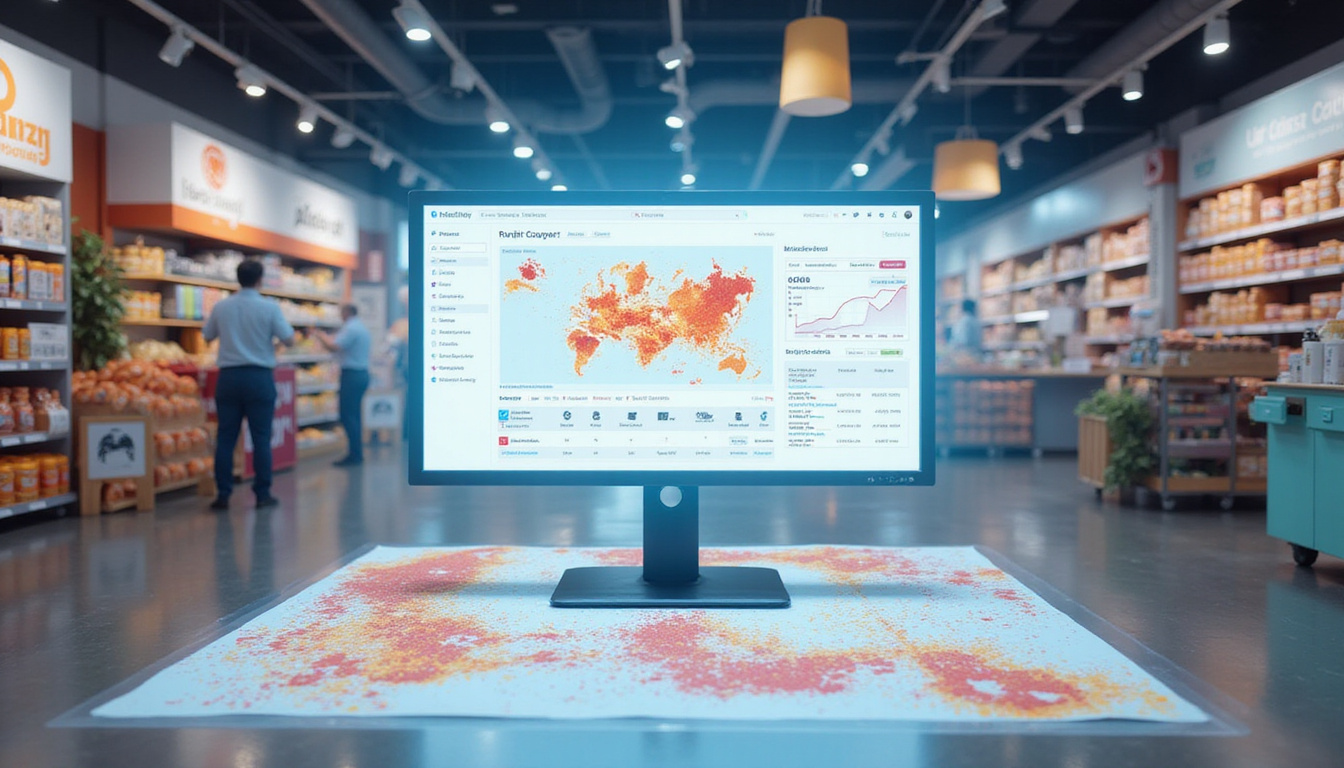
Common techniques:
-
Anchoring
- Showing a higher-priced option first to make mid-tier items feel like better value.
- Online: anchoring with “was” pricing or premium options before value alternatives.
-
Social proof
- “Best seller,” “Most popular,” “Trending” tags.
- Star ratings and review counts placed near the price.
-
Scarcity and urgency
- “Low stock” or “Only X left” signals.
- Limited-time offers, seasonal flavors, or short-term collaborations.
-
Choice architecture
- Curated assortments that reduce overwhelming options.
- Default choices (e.g., pre-selected size/variant) that suit most shoppers.
When using these shopper marketing strategies, transparency matters. The goal is to help shoppers decide confidently and quickly—not to trick them into regretted purchases.
Secret #7: They Turn Data into Real-Time Adjustments
Behind every highly effective shopper marketing program is a constant stream of data and iteration.
Retailers measure:
- Conversion rates at aisle, category, and SKU level
- Dwell time in zones, and scroll depth on digital pages
- Click-through rates on banners, promos, and search results
- Redemption rates of coupons and promo offers
- Basket composition and cross-purchase patterns
The “secret” isn’t having data; it’s how quickly they act:
- Swapping underperforming displays or layouts mid-campaign
- Retuning search algorithms and sorting logic
- Testing new promo mechanics across a subset of stores
- Adjusting image, title, or price presentation online based on A/B test results
For brands, partnering closely with retailers and accessing their shopper data (where possible) turns guesswork into targeted, testable shopper marketing experiments.
Secret #8: They Amplify Brands with Retail Media Networks
Retail media networks—ad platforms owned by retailers that run on their sites, apps, and in-store screens—are now central to shopper marketing.
Retailers use retail media to:
- Let brands target ads to specific shopper segments (e.g., pet owners, organic buyers)
- Push sponsored products in search results and category pages
- Serve personalized banners on homepages and in apps
- Connect on-site ads with off-site channels (e.g., social and open web) using first-party data
For brand owners, this is a powerful way to execute shopper marketing:
- Reach active shoppers close to the point of purchase
- Target based on real purchase data, not just demographics
- Measure impact from ad impression to actual sales
If you’re not already experimenting with retail media, it should be a core component of your shopper marketing plan.
How to Start Building Your Own Shopper Marketing Playbook
You don’t need enterprise budgets to apply these principles. Start with a simple, structured approach:
-
Define your top shopper missions
- Interview customers, watch in-store behavior, analyze baskets.
- Choose 3–5 missions to design around.
-
Map the path to purchase
- From discovery → research → selection → checkout.
- Identify friction points and key decision moments.
-
Optimize your “shelf”
- In-store: product blocking, signage, and a hero SKU.
- Online: clear images, benefit-led titles, reviews, and smart sorting.
-
Test one promotion mechanic at a time
- Bundle, multi-buy, or limited-time.
- Measure basket size and margin impact.
-
Add at least one behavioral nudge
- Social proof tags, best-seller highlights, or curated sets.
- Track if conversions rise without increasing complaints or returns.
-
Measure and iterate
- Set a baseline conversion rate.
- Change one major element at a time; review impact weekly or monthly.
Quick Checklist: Shopper Marketing Essentials
Use this checklist to audit or plan your shopper marketing efforts:
- [ ] Have we clearly defined our shopper missions?
- [ ] Do we know the key first decisions shoppers make in our category?
- [ ] Is our physical or digital shelf treated as a media asset, not storage?
- [ ] Do our promotions create perceived value, not just lower prices?
- [ ] Are online and in-store experiences connected for the shopper?
- [ ] Are we applying behavioral insights ethically (social proof, anchoring, etc.)?
- [ ] Do we access and act on real shopper data regularly?
- [ ] Are we leveraging retail media to reach shoppers near the point of purchase?
FAQ About Shopper Marketing
1. What is shopper marketing in retail?
Shopper marketing in retail focuses on understanding and influencing how people behave when they are actively shopping—online or in-store. It involves tactics like in-aisle displays, digital shelf optimization, targeted promotions, and retail media ads that drive conversion at or near the point of purchase.
2. How is shopper marketing different from trade marketing or brand marketing?
Brand marketing aims to build long-term brand equity and awareness, while trade marketing focuses on selling products into retailers. Shopper marketing sits in between: it’s about what happens inside the retailer’s ecosystem—how products are presented, promoted, and discovered to drive actual sales from shoppers.
3. How can small businesses use shopper marketing strategies?
Small businesses can adopt shopper marketing principles by mapping customer missions, designing clear store layouts or website navigation, using simple signage, highlighting best-sellers, offering thoughtful bundles, and collecting basic data (like basket combinations or simple surveys) to refine their approach.
Turn Browsers into Buyers with Smarter Shopper Marketing
Conversion gains rarely come from one dramatic change—they come from dozens of shopper marketing tweaks that make buying feel obvious, easy, and rewarding. The retailers winning today obsess over shopper missions, engineer frictionless first decisions, optimize their shelves like ad spaces, and use data to refine every element of the experience.
If you want to skyrocket conversions, start by rethinking your store or site through the eyes of an active shopper, not just a passive consumer. Choose one or two of the secrets in this guide, test them rigorously, and build from there.
Now is the time to turn your aisles, pages, and promotions into a powerful shopper marketing engine. Take your next step today: audit your current path to purchase, identify the biggest friction point, and run your first focused experiment to remove it. Your future conversion rate—and your bottom line—will reflect the difference.