
If you’re a maker, artist, or small brand, custom printing is one of the fastest ways to turn ideas into products that stand out—and actually sell. Whether you run an Etsy shop, vend at markets, or print on demand, a few smart tweaks to how you design, print, and present your work can dramatically boost perceived value and conversions.
Below are battle-tested hacks to upgrade your products, improve print quality, and create a memorable brand experience that keeps customers coming back.
1. Start With the Right Printing Method for Your Product
Not all custom printing methods are equal. Choosing the wrong one can lead to dull colors, cracking prints, or frustrating reorders.
Popular custom printing methods (and when to use them)
-
Screen Printing
- Best for: Apparel brands, bulk orders, limited color designs
- Pros: Vibrant colors, durable, cost-effective at scale
- Cons: Expensive for small runs, not ideal for full-color photos
-
Direct-to-Garment (DTG)
- Best for: Small runs, full-color, print-on-demand T-shirts and hoodies
- Pros: Unlimited color, no screens, great for detailed art
- Cons: Works best on 100% cotton, sometimes less vibrant than screen printing
-
Sublimation
- Best for: Mugs, metal prints, polyester shirts, phone cases
- Pros: Extremely durable, no cracking/peeling, photo-quality prints
- Cons: Requires polyester or special-coated blanks, limited garment types
-
Direct-to-Film (DTF)
- Best for: Versatile apparel printing, complex full-color designs
- Pros: Works on many fabrics, solid opacity on dark garments
- Cons: More technical; quality varies a lot by provider
-
UV Printing
- Best for: Signs, acrylic, wood, metal, promotional items
- Pros: Prints on rigid surfaces, sharp detail
- Cons: Equipment is expensive; usually an outsourced service
Hack: Before committing to a provider or method, order a small sample set with varied designs (fine lines, bold shapes, photos, and text). Compare color accuracy, wash durability, and detail under natural light to find the best fit.
2. Design for Print, Not Just for Screens
Designs that look amazing on your monitor can fall flat in real life if you don’t plan for how custom printing behaves.
Key design tips for print-ready artwork
-
Use the right color mode.
Work in CMYK (for offset/digital prints) or follow your printer’s RGB specs for DTG and sublimation. Colors can shift from screen to print, so request or download your printer’s color profile if they offer one. -
Plan for bleed and safe areas.
For postcards, art prints, and packaging, add at least 1/8" (3 mm) bleed and keep important text away from edges to avoid trimming issues. -
Watch line weights and tiny details.
Ultra-thin lines, tiny text, and faint gradients can disappear or muddy in print. Test print on a home printer at scale to catch legibility issues before sending to production. -
Boost contrast slightly.
Prints often look 5–15% darker or duller than your screen. Slightly boosting contrast and saturation (without going neon) can help your designs pop in physical form.
Hack: Print a “test sheet” that includes portions of several designs on a single page or garment. This lets you see how different elements behave under the same custom printing process—saving time and money.
3. Choose Blanks and Materials That Feel Premium
The exact same design can feel cheap or high-end depending on the blank you print on.
Upgrade your base products strategically
-
T-shirts:
- Move from generic heavy cotton to combed ring-spun cotton or a cotton/poly blend with a smooth hand-feel.
- Aim for soft, mid-weight fabrics (around 4.2–5.5 oz) that drape well and reduce shrinkage.
-
Totes and bags:
- Use thicker canvas (10–12 oz) for structure and a premium feel.
- Consider organic or recycled options if your brand leans eco-conscious.
-
Art prints:
- Choose archival, acid-free paper with at least 200–250 gsm.
- Matte or textured papers often feel more “artsy” and reduce glare.
-
Stickers:
- Upgrade to vinyl with UV and water resistance.
- Offer a mix of matte and gloss finishes for variety.
Hack: Ask your printer for their “hidden gems”—brands or blanks that feel premium but are under-used by most customers. Often, they’ll recommend options with better margins and customer satisfaction.
4. Turn One Design Into a Product Line (Without Extra Work)
Custom printing shines when you can repurpose art across formats. One strong design can become a mini collection that feels intentional and cohesive.
Ways to multiply your designs across products
- T-shirt → hoodie → tank top → kids’ tee
- Art print → postcard → sticker → bookmark
- Pattern → wrapping paper → notebook cover → fabric panel
- Illustration → mug → coaster → phone case → keychain
Start with your best-selling design and expand it to 3–5 related products. Bundle them as gift sets or themed collections for higher order values.
Hack: Keep a master folder of “versatile” designs (simple, bold, scalable) that adapt well to different aspect ratios (square, portrait, landscape) so you can quickly spin up new product lines.
5. Use Mockups That Look Like Real Life
Good mockups can dramatically increase perceived quality and conversions in your shop, especially if you do print-on-demand.
What makes a mockup convincing?
- Realistic lighting and shadows – Avoid flat, obviously digital renderings.
- Contextual backgrounds – Show your product in use: mugs on a desk, shirts on real bodies, art prints in styled rooms.
- Diverse models – Represent different body types and identities whenever possible.
- Accurate scale – Don’t oversize designs; keep print areas realistic.
You can create your own mockups with high-quality photos and smart objects (Photoshop) or use services like Placeit or Canva’s mockup features.
Hack: Combine 1–2 lifestyle mockups with 1 clean, flat product shot on white. This combo builds trust (accuracy) and emotion (lifestyle), which is powerful for selling custom printing products online.
6. Improve Perceived Value With Tiny Branding Details
Branding isn’t just a logo; it’s how every part of your product and packaging feels.
Small, low-cost branding upgrades
- Custom neck labels or hem tags on apparel
- Branded sticker or stamp on packaging
- Consistent color palette across inserts, website, and social media
- Thank-you cards with your handle and a short story about the piece
- Branded tissue paper or tape for orders
These details make even simple custom printing products feel like part of a thoughtful brand—justifying higher prices and increasing repeat purchases.
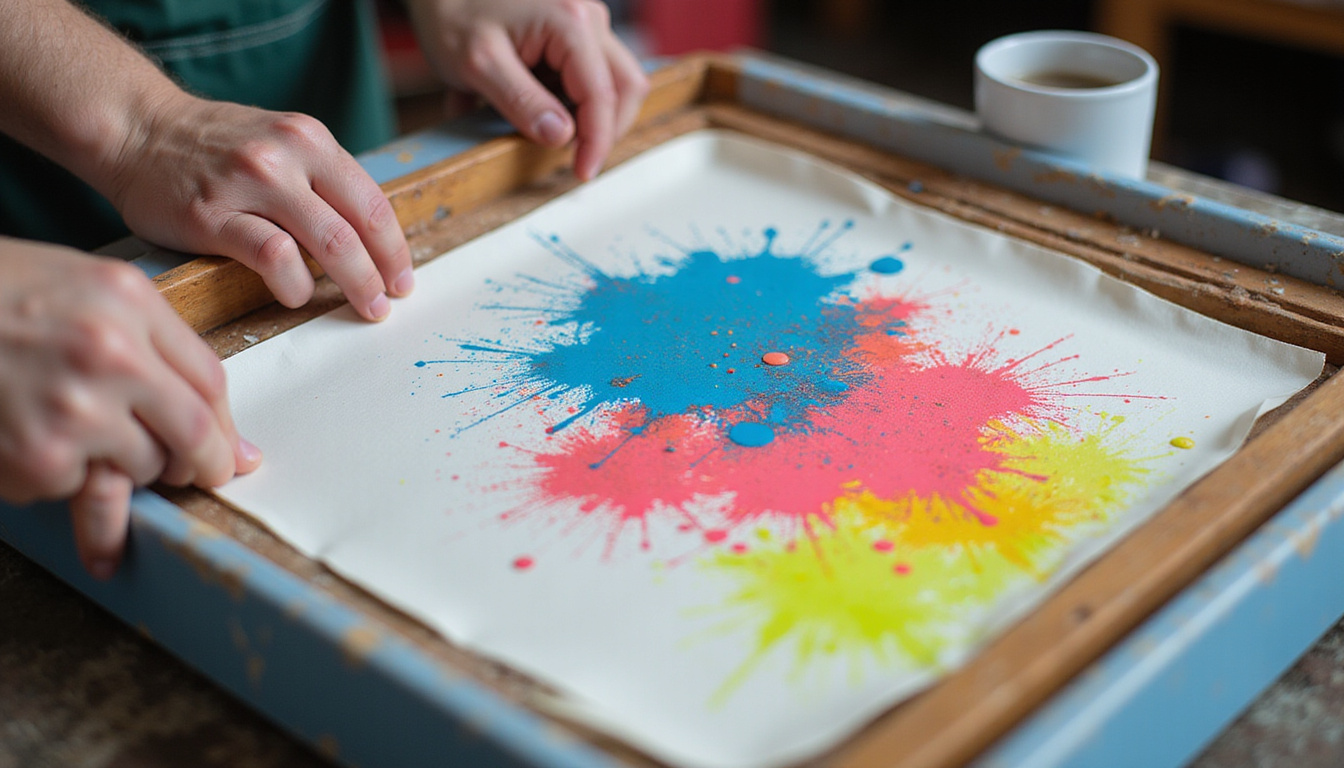
Hack: Create a one-page brand style guide (colors, fonts, logo placement) and apply it to everything: your product photos, Etsy banner, packing slips, and social posts. Consistency alone boosts memorability.
7. Batch Your Workflow to Save Time and Money
Whether you print in-house or outsource, batching is how you scale without burning out.
Batch the steps in your custom printing process
-
Design Batch:
Block time to create multiple designs at once around a theme (e.g., “fall florals” or “coffee lovers”). -
Prep Batch:
Resize and format artwork for different products in one session (T-shirt files, mug layouts, sticker sheets). -
Ordering/Production Batch:
Consolidate orders with your printer to hit quantity discounts and reduce shipping costs. -
Photo & Mockup Batch:
Photograph or create mockups for multiple items in a single day for a unified look. -
Listing & Marketing Batch:
Write product descriptions, tags, and social posts for several products together to stay in the same “voice.”
Hack: Maintain a simple spreadsheet or Notion board with columns like “Idea → Designed → Print-Ready → Ordered → Photos → Listed.” Visual tracking alone can double your throughput.
8. Reduce Returns With Clear Expectations
With custom printing, returns can be expensive. Most issues come from mismatched expectations.
Ways to protect your profits and keep customers happy
- Size & fit charts – Include measurements, fit notes (“fits slim,” “roomy in the shoulders”), and model stats.
- Close-up photos – Show texture, print detail, and real-life colors (photographed in natural light).
- Care instructions – Tell customers how to wash and maintain items to extend print life.
- Color disclaimers – A short note like “Colors may vary slightly between screens and real life” can prevent complaints.
Hack: Add a short “What to expect” section to listings or packaging that sets realistic expectations for color, feel, and care. This small bit of transparency builds trust and reduces friction.
9. Use Limited Editions and Scarcity (Honestly)
Scarcity drives action when it’s real. custom printing makes it easy to introduce limited runs without huge risk.
Smart ways to use scarcity
- Numbered art prints (e.g., edition of 50, hand-signed and numbered)
- Seasonal designs only available during specific months
- Color variants that rotate out periodically
- “Retiring soon” sections in your shop for slow but beloved designs
Make sure scarcity is genuine; buyers catch on if “limited” items never seem to sell out.
Hack: When a product is nearly sold out or about to be retired, update your listing title and description (e.g., “Last few left” or “Final run”). This gentle urgency often gives slow movers a final sales bump.
10. Turn Customers Into Your Best Marketers
Happy customers are a powerful marketing engine—especially for visually driven custom printing products.
Encourage sharing and word-of-mouth
-
Include a share card:
“Love this? Snap a pic and tag @yourhandle for a chance to be featured.” -
Create a unique hashtag:
Something short and memorable tied to your brand. -
Feature real customers:
Repost photos (with permission), create highlight reels, and showcase customer quotes. -
Review incentives (within platform rules):
Offer a small discount on a future order in exchange for honest reviews.
According to consumer behavior research, social proof (like reviews and user photos) strongly influences purchasing decisions, especially for online shoppers (source: Nielsen).
Hack: Once a month, spend an hour collecting your best customer photos and reviews and weave them into product listings, social posts, and email campaigns. This single habit can significantly improve conversion rates.
Quick Checklist: custom printing Hacks to Implement Next
- [ ] Pick the best printing method for your main product type
- [ ] Rework your top designs for print clarity and color
- [ ] Upgrade at least one core blank (shirt, paper, or tote)
- [ ] Turn your best-selling design into a mini product line
- [ ] Replace weak mockups with realistic lifestyle shots
- [ ] Add 1–2 simple branding details to your packaging
- [ ] Start batching design, production, and listing tasks
- [ ] Add clear care instructions and size/fit info
- [ ] Launch one genuine limited-edition product
- [ ] Set up a simple system to collect and feature customer photos
FAQ About custom printing for Makers
Q1: What is the best custom printing method for small businesses just starting out?
For most new apparel-based small businesses, DTG or DTF via a reputable print-on-demand partner is ideal. You avoid up-front inventory costs, can test many designs, and only pay when you sell. Once you identify proven best-sellers, consider screen printing larger runs for better margins.
Q2: How do I make my custom printed products look more professional?
Focus on three areas: design clarity (print-ready files, good contrast, readable text), quality blanks (soft shirts, good paper, sturdy mugs), and presentation (clean mockups or photos, cohesive branding, thoughtful packaging). Small touches like neck labels, thank-you cards, and consistent aesthetics make a big difference.
Q3: Where can I get high-quality custom print services for my designs?
Look for local and online printers that specialize in the type of product you want (apparel, art prints, merch). Check sample packs, customer reviews, and turnaround times. Many makers start with popular print-on-demand providers and later move some products to local or specialized printers once they know what sells and need more control.
Custom printing gives you an unfair advantage as a maker: you can test ideas fast, pivot quickly, and build a recognizable brand around your art. The difference between “just another printed T-shirt” and a product that flies off the shelves often comes down to a handful of smart decisions—better blanks, sharper designs, stronger mockups, thoughtful branding, and a smoother workflow.
If you’re ready to upgrade your shop, start by choosing one product and applying three of the hacks above this week. Tighten the design for print, improve your photos, and add a small branding touch. Then, as you see what resonates, expand those changes across your entire line.
You already have the creativity. Now, use these custom printing hacks to turn that creativity into products that stand out, feel premium, and sell consistently.