
In a crowded marketplace, brands that get seen are the brands that get chosen. That’s why large format printing remains one of the most powerful ways to grab attention quickly—on the street, at events, in-store, and even indoors in corporate spaces. When done strategically, it can transform blank walls, windows, and vehicles into hard‑working, 24/7 brand ambassadors that drive awareness and sales.
This guide walks you through proven techniques, practical tips, and real-world considerations to use large format print to boost your visibility—fast.
What Is Large Format Printing (and Why It Still Works)
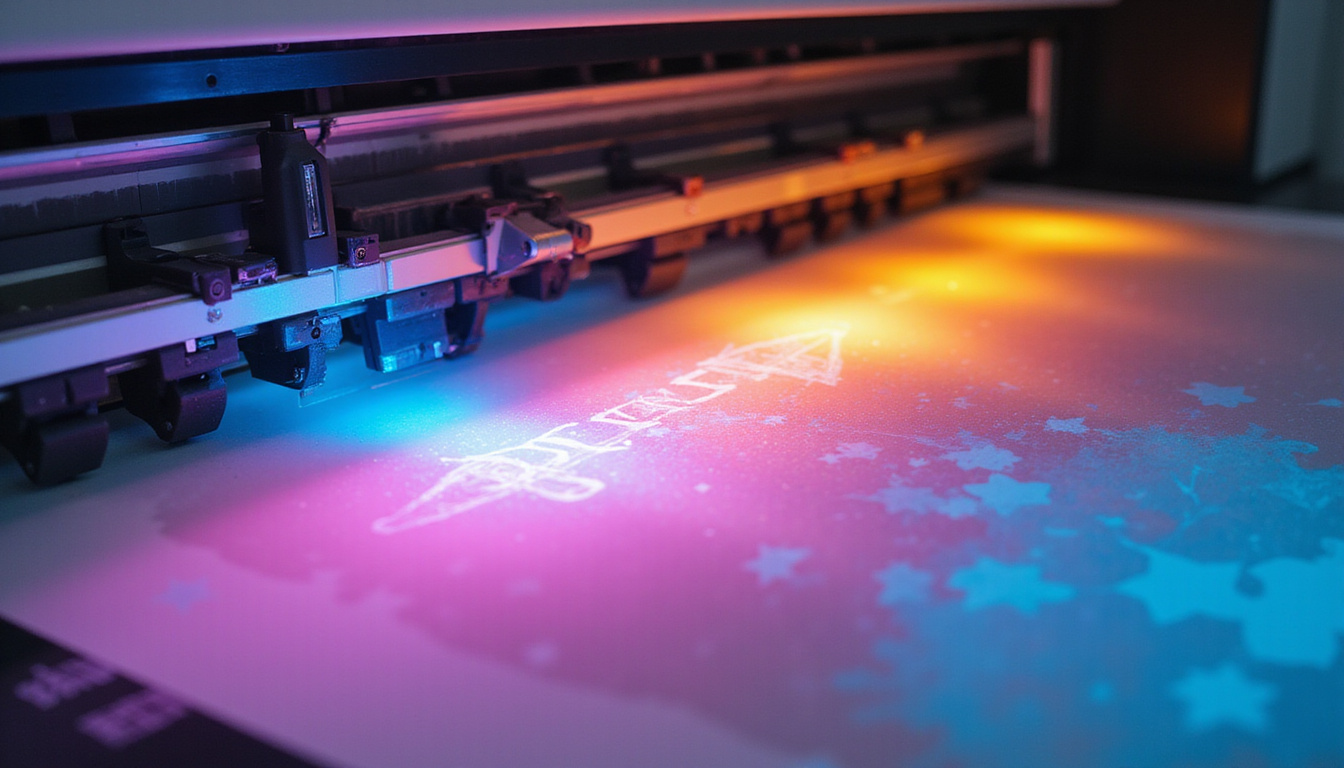
Large format printing (sometimes called wide format printing) produces oversized graphics on materials such as vinyl, fabric, rigid boards, and more. Think:
- Banners and billboards
- Trade show backdrops
- Vehicle wraps
- Window graphics
- Wall murals
- Storefront signage
Unlike digital ads that can be scrolled past or blocked, these large printed visuals occupy physical space. They’re hard to ignore, and they can reach people who aren’t actively searching for you—perfect for top-of-funnel brand awareness.
Research consistently shows that out-of-home (OOH) media, including large format signage, boosts brand recall and can drive online searches for advertised brands (source: Outdoor Advertising Association of America). The sweet spot is combining strong creative with smart placement.
Define Clear Goals Before You Print Big
Jumping straight into design is tempting, but the most effective large format printing campaigns start with clear objectives. Ask:
- What is the primary goal?
- Brand awareness?
- Event promotion?
- New product launch?
- Store traffic or footfall?
- Who exactly am I trying to reach?
- Commuters? Local residents? Trade show attendees?
- Where will the piece be displayed?
- Indoors, outdoors, mobile, or a mix?
Your answers directly shape size, materials, messaging, and design.
Example:
- A three-month outdoor banner promoting a seasonal sale needs durable, weather-resistant materials and bold, minimal copy.
- A trade show display, seen up close, can include richer detail, product shots, and QR codes for quick lead capture.
Design Principles for High-Impact Large Format Printing
When your graphics get bigger, little design flaws become big problems. Use these principles to create clear, high-performing visuals.
1. Embrace Simplicity and Hierarchy
People often view large format prints from a distance and for just a few seconds. Prioritize clarity over cleverness.
- Use a clear visual hierarchy:
- Main headline or brand message
- Supporting visual (product, logo, or imagery)
- Call to action (CTA) or essential info
If someone can’t grasp the main message in 3–5 seconds, it’s too complex.
2. Choose Readable Typography
Typography can make or break large format printing.
- Use sans-serif fonts for headlines and key info.
- Avoid thin/light weights that disappear from distance.
- Limit yourself to 1–2 font families to avoid clutter.
- Check legibility: print a small sample and pin it up on a wall—step back 10–15 feet and see if it still reads clearly.
Pro tip: Capital letters can be harder to read in long phrases. Use sentence or title case for most copy; reserve ALL CAPS for short, punchy words.
3. Use Color to Stand Out and Stay On-Brand
Color is one of the fastest ways to draw attention.
- Prioritize contrast: dark text on a light background, or vice versa.
- Ensure your brand colors are accurately reproduced—ask your printer about Pantone matching or color profiles.
- Be cautious with gradients and very subtle tints; they may not reproduce as crisply at scale.
- Consider the environment:
- Outdoor pieces need colors that stay legible in sun glare or low light.
- Indoor exhibits can leverage more nuanced palettes.
4. Work With High-Resolution Images (Properly)
Scaling up low-res images leads to blurry, unprofessional results.
- For large format printing, start with vector graphics when possible (logos, icons, text).
- For photos, consult your printer on optimal resolution at final size, but in general aim for:
- 100–150 DPI at full size for billboards and very large prints
- 150–300 DPI at full size for closer viewing (posters, trade show graphics)
Never just “upscale” tiny images; source higher-quality files or reshoot if needed.
Proven Large Format Applications to Boost Brand Visibility Fast
Here are the most effective ways brands use large format printing to create quick, visible impact.
1. Storefront Signage and Window Graphics
Your storefront is prime real estate. Use it.
- Bold fascia signs with your logo and core promise
- Seasonal window graphics promoting new arrivals or sales
- Perforated window films that show graphics outside but allow visibility from inside
These can quickly increase walk-in traffic, especially in high-footfall areas.
2. Event and Trade Show Displays
Large format printing is a cornerstone of trade show marketing.
Consider:
- Branded backdrops and step-and-repeat walls
- Pop-up displays and tension fabric stands
- Hanging banners above your booth
- Floor graphics to lead traffic into your space
These pieces help you stand out in a crowded hall, attract attendees from across the room, and make your booth look established and trustworthy.
3. Vehicle Wraps and Fleet Graphics
A wrapped vehicle is essentially a moving billboard.
- Wrap company cars, vans, and delivery vehicles with your logo, URL, and clear value proposition.
- Use simple, bold messaging that’s readable in traffic.
- Include a short URL or memorable phone number.
The more your vehicles move around your service area, the more impressions you gain—especially effective for local businesses like contractors, home services, and food delivery.
4. Indoor Wall Murals and Branded Environments
Transform blank walls into brand storytelling tools.
- Large murals in lobbies, offices, or retail spaces
- Mission statements, timelines, or key brand visuals
- Photo walls and selfie spots for social media shares
These not only impress visitors but also convert your premises into content-worthy spaces that customers and employees enjoy.
5. Banners and Outdoor Graphics
For fast, flexible visibility:
- Vinyl banners for openings, events, and promotions
- Fence and barrier graphics at construction sites or events
- A-frames and sidewalk signs for daily specials
These are quick to produce, easy to install, and adaptable—ideal for time-sensitive campaigns.
Materials and Finishes That Maximize Longevity and Impact
Choosing the right substrate and finish is just as critical as the design.
Common Large Format Materials
- Vinyl: Durable and weather-resistant; ideal for outdoor banners, billboards, and wraps.
- Fabric: Lightweight, wrinkle-resistant; great for trade show backdrops and indoor displays.
- Foam board / PVC board: Rigid and lightweight; good for indoor signage and point-of-sale displays.
- Acrylic: Sleek and modern; ideal for premium indoor signs and backlit displays.
- Mesh vinyl: Allows wind to pass through; perfect for large outdoor banners or scaffolding.
Finishes That Add Professional Polish
- Matte lamination: Reduces glare, improves readability, and adds a premium feel.
- Gloss lamination: Makes colors pop but can reflect light—best where glare isn’t an issue.
- UV coating: Enhances durability and resistance to fading, especially outdoors.
Discuss where and how long the piece will be used so your print provider can recommend the right combination.
Common Mistakes to Avoid in Large Format Printing
Steering clear of these pitfalls will save you time and budget.
-
Overloading the design
Too much text, too many images, or busy backgrounds reduce clarity. Focus on one core message. -
Ignoring viewing distance
What works on a screen may fail at 20 feet. Always design at scale and simulate real viewing distance. -
Skipping pre-flight checks
Not converting fonts to outlines, using RGB instead of CMYK, or missing bleed and trim marks can lead to reprints and delays. -
Choosing the wrong material
A beautiful indoor material used outdoors can quickly fade or warp. Match substrate to environment. -
Forgetting the call to action
Your print should tell people what to do next: visit, scan, call, or follow. Don’t assume it’s obvious.
How to Streamline Your Large Format Printing Workflow
To launch campaigns faster and more smoothly, set up a simple workflow.
1. Create Clear Specs Up Front
Before you brief a designer or printer, define:
- Final dimensions and orientation (portrait/landscape)
- Viewing distance and location (indoor/outdoor)
- Material and finish preferences (or ask for guidance)
- Deadline and installation date
The more specific you are, the fewer revisions you’ll need.
2. Use Templates When Available
Many print providers offer design templates with correct bleed, safe zones, and resolution guidelines. Starting with these helps prevent costly errors.
3. Ask for Hard Proofs (When Timing Allows)
Digital proofs are essential, but for color-critical or high-budget projects, request:
- A small printed test section to verify colors and sharpness
- Material samples so you can feel and see the finish in real lighting
4. Plan Installation Logistics
Especially for large outdoor pieces or complex installations:
- Confirm if your printer offers on-site installation
- Check local permit requirements for signs and banners
- Plan for access (ladders, lifts, after-hours install if needed)
A great print is only effective if it’s safely and correctly installed.
Simple Checklist for Effective Large Format Printing
Use this quick checklist when planning your next project:
- [ ] Objective defined (awareness, traffic, leads, etc.)
- [ ] Target audience and location identified
- [ ] Design simple with clear visual hierarchy
- [ ] Fonts large and readable from intended distance
- [ ] High-resolution images or vectors used
- [ ] Strong color contrast and on-brand palette
- [ ] Appropriate substrate and finish selected
- [ ] Bleeds, color mode (CMYK), and file specs confirmed
- [ ] Clear CTA included (visit, call, scan, follow)
- [ ] Installation and timing planned
FAQ: Large Format Printing and Brand Visibility
Q1: What types of large format printing are best for small businesses?
For small businesses, cost-effective options include vinyl banners, window graphics, A-frame sidewalk signs, and vehicle decals. These formats provide strong visibility in your local area without requiring large budgets and can be updated seasonally.
Q2: How long does wide format printing last outdoors?
Outdoor wide or large format printing on quality vinyl with UV-resistant inks and proper lamination can last from 1–5 years, depending on sun exposure, weather conditions, and installation. Discuss your expected lifespan with your provider so they can recommend suitable materials.
Q3: Can large-scale printing help drive online traffic too?
Yes. Large-scale printing can significantly boost online traffic when you include clear digital calls to action—short URLs, QR codes, social media handles, or campaign hashtags. Many brands see spikes in search volume and website visits after launching strong out-of-home visuals.
Turn Blank Space into a Powerful Brand Asset
Every wall, window, vehicle, or fence your audience sees is an opportunity—either for someone else’s message or for yours. Strategic large format printing lets you claim that space, rapidly increasing brand visibility in the real world while supporting your digital efforts.
If you’re ready to turn more heads, attract more visitors, and give your brand a truly memorable presence, start planning your next large format project now. Define your goal, choose the right format, and partner with a print provider who understands both quality and strategy—and transform your environment into a high-impact marketing channel that works for you 24/7.