
Direct Mail Printing Secrets to Skyrocket Response and Conversions
Direct mail printing is far from dead—in fact, in many industries it consistently outperforms digital-only campaigns in response and conversion rates. Done right, it cuts through the online noise, reaches highly targeted prospects, and drives measurable revenue. Done wrong, it becomes an expensive stack of postcards headed straight to the trash.
This guide walks through proven, practical direct mail printing tactics that can dramatically improve your response and conversion rates—whether you’re sending 500 letters to a niche list or 50,000 catalogs nationwide.
Why Direct Mail Still Works in a Digital-First World
Before diving into printing secrets, it’s worth understanding why direct mail is still so powerful:
- Less competition in the mailbox: While inboxes are flooded, physical mail volume is lower than it used to be—your piece has more room to stand out.
- High perceived value: Tangible mail often feels more “real” and important than a digital ad.
- Better attention and recall: Print is processed differently in the brain and can lead to stronger brand recall and trust (source: Canada Post / True Impact “A Bias for Action” study).
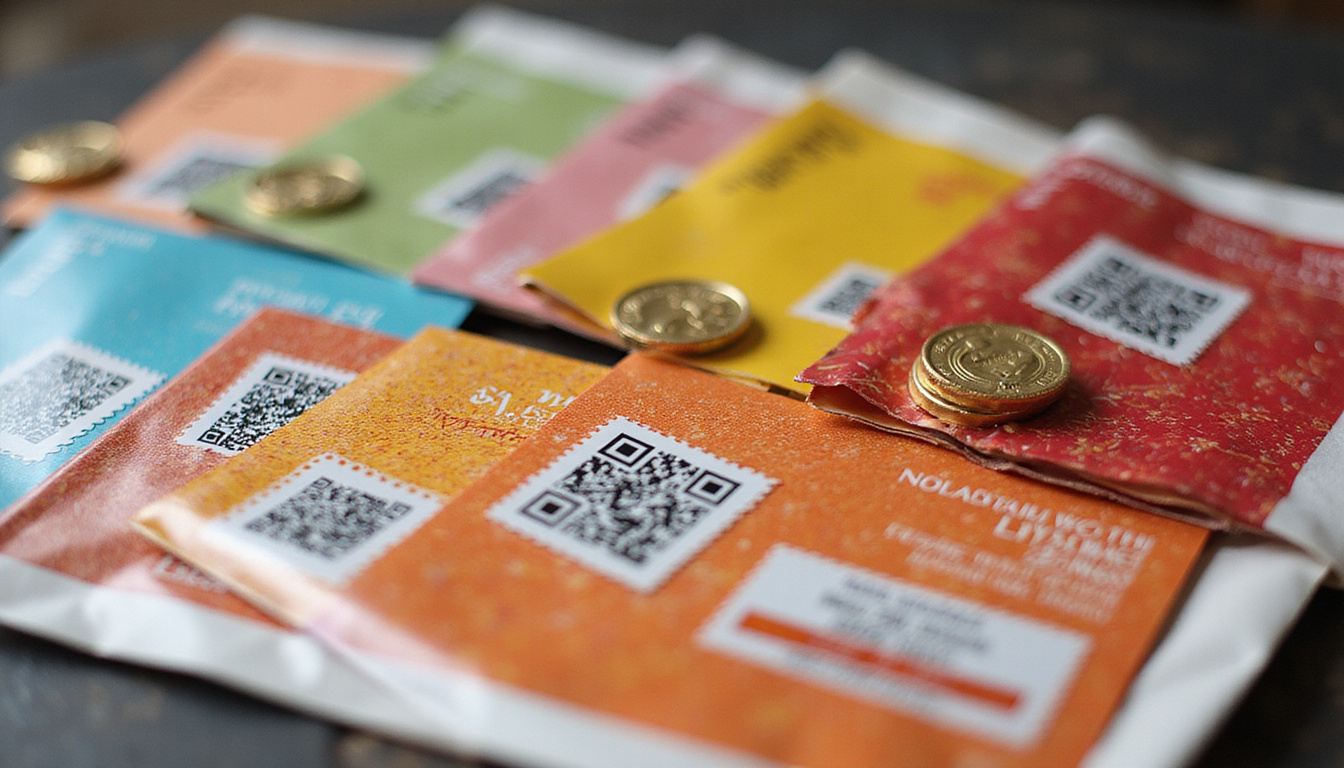
- Easy to integrate with digital: QR codes, PURLs, and unique promo codes tie print efforts directly to online journeys.
The key? Smart strategy and smart execution—especially in how you design, print, personalize, and mail.
Start with Strategy: Who, What, and Why
Before you worry about paper weight or coating, lock in your fundamentals:
Define the Right Audience
Your list is usually the biggest driver of response. A brilliant design and flawless direct mail printing job can’t save a poorly targeted list.
- Use customer data: model your best customers and find lookalikes.
- Segment by demographics, behavior, and intent.
- Clean your list: remove duplicates, undeliverables, and inactive records.
Clarify Your Single Most Important Offer
Each direct mail piece should revolve around one clear offer:
- Percentage discount
- Dollar-off coupon
- Free trial or sample
- Limited-time bonus or upgrade
- Event invitation or consultation
If you try to cram in three offers at once, you dilute the message and hurt conversions.
Decide the Primary Conversion Goal
Know exactly what you want recipients to do:
- Visit a unique landing page
- Call a dedicated phone number
- Scan a QR code
- Visit a physical store with the mail piece in hand
This determines what you print, what you track, and how you measure success.
Choose the Right Format for Maximum Impact
The format you choose affects cost, response rate, and perception. The most effective direct mail printing campaigns align format with message and budget.
Postcards: Fast, Simple, and Cost-Effective
Best for:
- Short offers or reminders
- Local businesses
- Retargeting campaigns
Advantages:
- No envelope barrier—message is seen instantly
- Lower postage and printing costs
- Great for time-sensitive promos
Disadvantages:
- Less room for storytelling
- Privacy is limited (everything is visible)
Letters in Envelopes: Classic and Personal
Best for:
- Financial services, healthcare, legal, and B2B
- Higher-ticket offers or more complex explanations
- Personalized, relationship-based outreach
Advantages:
- Feels official and personal
- More space for copy
- Allows inserts (brochures, reply forms, checks, etc.)
Disadvantages:
- Requires an open—your envelope must earn attention
- Slightly higher production cost per piece
Self-Mailers and Folded Pieces
Best for:
- Mini-catalogs, menus, or multi-offer promotions
- Visual storytelling (before/after, product journeys)
Advantages:
- More real estate than postcards
- Cheaper than full catalogs
- Good balance of cost and “wow” factor
Disadvantages:
- Must be carefully designed to survive handling and still look good
Design Secrets That Boost Response Rates
Even the best list and offer won’t perform if your design doesn’t help people see, understand, and act.
Use a Clear Visual Hierarchy
Your layout should guide the eye:
- Main headline – Big, bold, benefit-driven.
- Key visual – Image that supports the promise.
- Offer details – What they get, how it helps.
- Evidence – Testimonials, stats, guarantees.
- Call-to-action (CTA) – What to do next, made urgent.
If someone only glances at your piece for three seconds, they should instantly grasp the core benefit and next step.
Keep Copy Skimmable and Benefit-Focused
- Use short paragraphs and subheads.
- Emphasize benefits over features: “Save 3 hours a week” instead of “Automated workflows.”
- Highlight key points with bold text and bullet lists.
- Include social proof: “4,000+ homeowners in your area trust us.”
Prioritize a Single Strong CTA
Avoid competing CTAs (e.g., “call us,” “visit our site,” and “scan this code” all equally emphasized).
Instead:
- Choose a primary CTA (e.g., scan QR)
- Offer a secondary, smaller option (e.g., call this number)
Make the main CTA visually dominant and repeated multiple times on the piece.
Printing Choices That Make Your Mail Stand Out
Direct mail printing quality influences both perception and performance. It doesn’t have to be expensive—it just has to be sharp and intentional.
Paper Stock and Finish
Paper communicates quality subconsciously:
- Weight: Heavier stocks (e.g., 100 lb cover) feel more premium and resist damage.
- Finish:
- Matte: professional, low glare, great for text-heavy pieces
- Gloss: vibrant color, great for photos and retail offers
- Uncoated: more tactile, often better for upscale or “natural” brands
Rule of thumb: Match paper to your brand and audience expectations. A luxury service sending flimsy postcards sends the wrong signal.
Color, Images, and Branding
- Use high-resolution images (300 dpi or higher) to avoid pixelation.
- Stick to brand colors but use contrast to make CTAs pop.
- Avoid clutter—white space helps your message breathe and increases legibility.
Size and Shape for Mailbox Dominance
Slightly larger or unusual sizes can significantly improve noticeability:
- Oversized postcards
- Tall or square self-mailers (within postal regulations)
- Die-cuts for special campaigns
Larger formats cost a bit more in printing and postage, but for high-margin offers, the lift in response can be worth it.
Personalization and Data-Driven Printing: Your Secret Weapon
Modern direct mail printing allows for powerful personalization that used to be limited to digital.
Move Beyond Just First-Name Personalization
You can customize:
- Headline and subheads
- Images (e.g., home types, cityscapes) based on location
- Offers or discounts based on past purchases
- Expiration dates or event dates per region
For example:
“Sarah, ready to cut your energy bill by 22% before next winter?” will typically outperform a generic “Save money on your energy bill.”
Use Variable Data Printing (VDP)
VDP technology lets you:
- Change text, images, and offers on each piece
- Test multiple creatives in the same print run
- Tie each mail piece to a unique tracking code or URL
Yes, unit cost may increase slightly, but response and conversions often rise enough to deliver a much better ROI.
Integrate Offline and Online for Higher Conversions
The strongest campaigns treat direct mail as a bridge to an integrated funnel, not an isolated tactic.
Use Trackable Elements on Every Piece
Incorporate at least one of:
- Unique URLs (PURLs): e.g., “Sarah.Jones-Offer.com”
- QR codes: linked to a specific landing page
- Promo codes: entered at checkout or mentioned on calls
- Unique phone numbers: tracked through call analytics
This lets you measure which lists, formats, and creatives are actually driving conversions—and scale what works.
Align Landing Pages with the Mail Piece
When they respond, the experience should feel seamless:
- Mirror the headline and visuals from the mail piece.
- Repeat the offer and deadline clearly.
- Minimize distractions—focus the page on a single conversion goal (form fill, purchase, call).
Mismatch between mail promises and landing page experience is a common conversion killer.
Timing, Frequency, and Testing for Continuous Improvement
Even great creative and flawless direct mail printing can underperform if timing and testing are neglected.
Mail at Strategic Times
Consider:
- Seasonality and buying cycles
- Paydays for consumer audiences
- Industry-specific peaks for B2B (e.g., Q4 for budgeting, Q1 for new initiatives)
Use Multi-Touch Sequences, Not One-Off Blasts
A simple, effective direct mail cadence might look like:
- First mailer: introduction + core offer
- Second mailer: reminder + added bonus
- Third mailer: “last chance” with deadline emphasis
Repetition builds familiarity and often boosts response rates, especially for higher-consideration purchases.
Test Systematically
Instead of changing everything at once, run controlled tests:
- Headline A vs. Headline B
- Postcard vs. letter package
- 10% discount vs. $25 coupon
- Matte vs. gloss finish
Track response and conversion rates, not just anecdotal feedback. Then scale winners and keep iterating.
Common Direct Mail Printing Mistakes That Kill Results
Avoid these frequent pitfalls:
- Weak or confusing offer: “Learn more” is not compelling.
- No clear CTA: Recipients shouldn’t have to guess what to do next.
- Over-designed pieces: Beautiful but unreadable layouts don’t convert.
- Tiny print: Older audiences especially need legible fonts and strong contrast.
- Ignoring postal regulations: Can lead to higher costs or returned mail.
- Skipping proofing: Typos in phone numbers, URLs, or expiration dates can ruin an entire campaign.
Always get a printed proof from your direct mail printing provider before you greenlight the full run.
FAQ: Direct Mail Printing and Campaign Performance
Q1: What is the most effective type of direct mail piece for high conversions?
There’s no universal winner; effectiveness depends on audience and offer. However, for many businesses, personalized letter packages with a strong offer and clear CTA often outperform generic postcards in conversion rate, while postcards can win on cost per response for simpler, retail-oriented offers.
Q2: How can I reduce costs without hurting my direct mail print quality?
You can lower costs by:
- Printing in higher volumes to get better unit pricing
- Using standard sizes and formats that fit postal discounts
- Slightly reducing paper weight (without feeling flimsy)
- Limiting the number of versions while still using variable data printing for personalization
Work with a direct mail printing partner who can suggest cost-optimized specs that still look professional.
Q3: How do I track ROI from my direct mail marketing printing campaigns?
Use trackable elements on every piece—unique URLs, QR codes, promo codes, and phone numbers. Tie these to analytics and sales data so you can calculate cost per response, cost per acquisition, and actual revenue generated from each campaign and segment.
Turn Your Next Direct Mail Campaign into a Revenue Engine
Direct mail printing isn’t about churning out postcards and hoping something sticks. It’s about combining smart audience targeting, irresistible offers, strategic design, quality printing, and precise tracking into a repeatable system that reliably generates leads and sales.
If you’re ready to:
- Upgrade from random mail drops to data-driven campaigns
- Use personalization and variable data printing to speak directly to each prospect
- Integrate print with your digital funnel for measurable, scalable ROI
then now is the time to refine your direct mail strategy and partner with a printing provider who understands performance—not just paper.
Start by choosing one upcoming campaign, apply the tactics in this guide, and track the difference in response and conversions. With each iteration, your direct mail can evolve from a cost center into one of your most profitable marketing channels.