
Brochure Distribution Tactics That Skyrocket Foot Traffic and Sales
When done strategically, brochure distribution can be one of the most cost-effective ways to drive real, measurable results for brick-and-mortar businesses. Well-designed brochures in the right hands at the right time don’t just raise awareness; they stimulate curiosity, increase in-store visits, and directly influence purchasing decisions.
This guide breaks down practical brochure distribution tactics you can use to attract more people through your doors and convert them into loyal, high-value customers.
Why Brochure Distribution Still Works in a Digital World
Despite the rise of digital marketing, physical brochures remain powerful because they:
- Create a tangible connection with your brand
- Are easy to hand to a friend or family member
- Can be read and re-read without screen fatigue
- Stay visible in homes, cars, and offices for weeks or months
Studies show that print marketing often has higher recall and trust compared with digital-only campaigns (source), which means a smart brochure distribution plan can amplify your digital efforts rather than compete with them.
Step 1: Clarify the Goal of Your Brochure Campaign
Before deciding where and how to distribute, define what you want to achieve. Common goals include:
- Increasing walk-in traffic to a store, clinic, or restaurant
- Promoting a limited-time sale or event
- Generating leads for services (e.g., consultations, memberships)
- Launching a new location or product line
Your goal should define the primary call-to-action (CTA) on the brochure and guide every distribution decision. If your goal is foot traffic, your CTA might be:
- “Bring this brochure in for 15% off”
- “Show this brochure at the register for a free gift”
This makes it easy to track which brochure distribution channels are performing.
Step 2: Know Exactly Who You’re Targeting
Successful brochure distribution depends on putting your message in front of the right people. Clarify:
- Demographics: Age, income range, family status
- Location: Neighborhoods, workplaces, commute routes
- Behavior: Where they shop, what events they attend, what problems they’re trying to solve
Examples:
- A fitness studio might target office workers within 2 miles who pass by during commute hours.
- A children’s dentist might focus on parents visiting playgrounds, daycares, and family-oriented businesses.
Once you’re clear on who you’re reaching, it’s far easier to select distribution points that make sense.
Step 3: Craft a Brochure That Demands Attention
Even the best brochure distribution tactics fail if the piece itself is weak. Make sure your brochure:
-
Has a bold, benefits-driven headline
Speak to an outcome: “Look 10 Years Younger in 30 Days” beats “Skincare Services.” -
Uses strong visuals
Use high-quality images of your products, happy customers, or the inside of your store. -
Features a compelling offer
Discounts, free samples, a free consultation, or VIP access can motivate in-person visits. -
Includes a clear, simple CTA
“Visit us today at 123 Main Street – show this brochure for a free appetizer.” -
Is easy to scan
Short paragraphs, bullet points, and bold subheadings help people grasp value quickly. -
Highlights proof and trust
Add a short testimonial, review score, or accreditation badge to reduce hesitation.
Your brochure is your salesperson in print. Make sure it’s persuasive and easy to understand in a few seconds.
Step 4: Choose High-Impact Locations for Brochure Distribution
Now the strategy turns on where you put your brochures. Focus on places where your ideal customers already spend time and are receptive to information.
1. In-Store and Near-Store Placements
Start with your own space and immediate surroundings:
- At your checkout counter
- Near the entrance or waiting area
- On neighboring businesses’ counters (reciprocal placement)
- In building lobbies or elevator areas
In-store brochures are perfect for cross-selling (“Did you know we also offer…?”) and promoting upcoming events that bring people back.
2. Partner Businesses and Local Alliances
Build a “brochure network” with complementary (not competing) businesses:
- A hair salon partners with a nearby spa and nail bar
- A bike shop partners with a local outdoor café and gym
- A real estate agent partners with moving companies and home-improvement stores
Offer to display their brochures in your location in return. This multiplies your reach without multiplying your costs.
3. Community Boards and Public Spaces
Most neighborhoods have bulletin boards and brochure racks in:
- Libraries
- Community centers
- Colleges and universities
- Gyms and recreation centers
- Co-working spaces and office lobbies
These are ideal for local services, classes, events, and membership-based businesses.
4. Door-to-Door and Direct Mail Drops
Hand-delivered brochures can be extremely effective when tightly targeted:
- Specific neighborhoods within a 1–3 mile radius
- Residential complexes near your store
- Offices within walking distance
You can distribute brochures:
- Door-to-door (following local regulations)
- Via door hangers
- As inserts in local mailers or community newspapers
This tactic is particularly strong when paired with a time-sensitive coupon that must be redeemed in person.
5. Events, Trade Shows, and Pop-Ups
Any time people gather with intent—shopping, learning, networking—you have a prime brochure distribution opportunity:
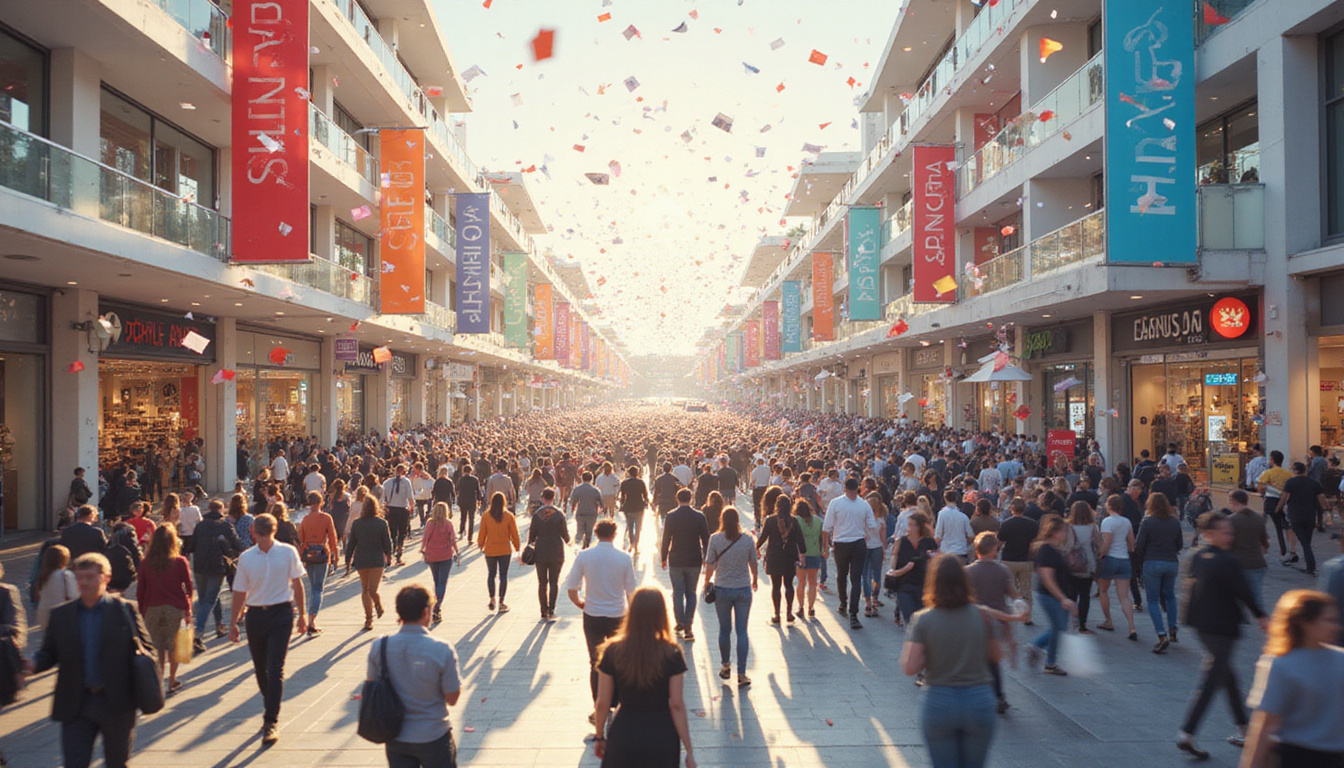
- Street fairs and markets
- Health and wellness expos
- Business networking events
- Hobby and niche-interest meetups
Set up a booth or table, and hand brochures directly to people you talk to, or include them in sample bags and event swag.
6. Hotels, Tourist Spots, and Transit Hubs
If your business benefits from tourism or commuter traffic, consider:
- Hotel lobby brochure racks
- Tourist information centers
- Airport or train station racks (where allowed)
- Bus stops and transit shelters (poster-plus-brochure combos)
Tourists rely heavily on printed materials to decide where to eat, shop, and visit while in town.
Step 5: Time Your Distribution for Maximum Impact
Timing can dramatically improve your results:
- Seasonal campaigns: Back-to-school, holidays, tax season, wedding season, etc.
- Day-of-week timing: Restaurants might focus Thursday–Saturday; salons may target Friday and weekend traffic.
- Time-of-day distribution: Hand out brochures near office buildings right before commute hours or lunchtime, not mid-afternoon when traffic is low.
For limited-time promotions, start brochure distribution 1–2 weeks ahead of the event and intensify in the final days, especially in locations with high daily foot traffic.
Step 6: Use Human Interaction to Lift Conversions
A person handing out brochures often outperforms passive displays.
Tips for active brochure distribution:
- Position strategically: Near store entrances, busy corners, or event entry points (where permitted).
- Use a simple, value-focused opening line:
- “Local coffee shop—free cookie with any drink today.”
- “20% off at the new boutique around the corner.”
- Ask permission to approach: A friendly, “Mind if I share this with you?” can improve receptivity.
Human interaction adds context and clarity, making it much more likely that people will act on your brochure.
Step 7: Combine Print with Digital for Better Tracking
One of the challenges with brochure distribution is measurement. You can fix that by integrating simple tracking methods:
- Unique coupon codes: Include a code that must be given at checkout.
- Custom URLs or QR codes: Send people to a dedicated landing page for that campaign.
- Different offers by location: Use slightly different promotions per distribution point to see which works best.
This lets you see which neighborhoods, partners, or events deliver the most foot traffic and sales, so you can double down on what works.
Step 8: Test, Measure, and Refine Your Strategy
Treat brochure distribution like any other marketing channel: test and optimize.
Track:
- Number of brochures printed and distributed
- Number of redemptions or visits tied to that campaign
- Average purchase value of brochure-driven customers
- Differences in performance by location or partner
Then adjust:
- Shift more brochures to the highest-performing locations
- Refine your offer and headline
- Improve your CTA or change its urgency
- Eliminate channels that consistently underperform
Over several cycles, you’ll build a reliable, predictable system for turning brochures into revenue.
Practical Checklist for Effective Brochure Distribution
Use this quick checklist before launching your next campaign:
- Clear goal and target audience defined
- Strong, benefits-driven headline and visuals
- Compelling, trackable offer (coupon, code, or QR)
- Easy-to-follow directions to your location
- Distribution locations mapped and prioritized
- Partners and local businesses confirmed for brochure placement
- Timing aligned with peak traffic and relevant seasons
- Tracking system in place (codes, landing pages, manual tally)
- Staff trained to recognize and log brochure-driven visits
- Follow-up plan for repeat visits or upsells
FAQs About Brochure Distribution for Local Businesses
Q1: What are the most effective brochure distribution methods for small retailers?
For small retailers, combining in-store display, partner business placements, and targeted door-to-door brochure distribution close to your location works best. Add a strong in-store-only offer to encourage nearby residents and workers to stop in rather than just keeping the brochure.
Q2: How many brochures should I print for a local brochure marketing campaign?
Estimate based on your radius and channels. For example, if you plan to cover 1,000 nearby homes, 5 partner locations, and an upcoming event, you might start with 2,000–3,000 copies. Test a smaller batch first, see which distribution points perform well, then scale your printing for future runs.
Q3: How can I measure the ROI of my brochure distribution strategy?
Use unique coupon codes, QR codes, or specific “bring this brochure” offers. Track every redemption or visit where someone presents a brochure or mentions the promotion. Compare total revenue generated and new customers acquired against your printing and distribution costs to calculate your return on investment.
Turn Your Brochures into a Consistent Source of Foot Traffic
Brochure distribution doesn’t have to be guesswork or an old-fashioned afterthought. With a clear goal, a persuasive design, and a smart distribution plan targeting the right people in the right places, your brochures can become a dependable engine for bringing more customers through your doors and driving higher sales.
If you’re ready to turn your next batch of brochures into real, trackable growth, start by mapping your ideal customers and top distribution points this week—and put a compelling, measurable offer in their hands. Your competitors may be neglecting print; this is your chance to stand out, capture attention, and convert local interest into long-term, profitable relationships.