
Guerrilla Marketing Playbook: 7 Unconventional Tactics That Go Viral
Guerrilla marketing has become one of the most powerful ways for brands—especially small businesses and startups—to generate massive attention without massive budgets. Instead of relying on traditional ads, guerrilla campaigns use creativity, surprise, and emotional impact to spark conversations, social shares, and sometimes full-blown virality.
This playbook breaks down seven unconventional guerrilla marketing tactics, how they work, and how you can adapt them to your brand, even on a shoestring budget.
What Is Guerrilla Marketing (And Why It Works Now More Than Ever)
Guerrilla marketing is a strategy that focuses on imaginative, low-cost, high-impact activities designed to generate maximum exposure. Instead of buying attention through large media buys, you earn attention by doing something unexpected, clever, or deeply relevant to your audience.
Why it works so well today:
- People are numb to traditional ads.
- Social media rewards originality and surprise.
- Audiences want experiences, not just messages.
- Smaller brands can outthink, not outspend, competitors.
The goal isn’t just to be weird or loud—it’s to create a memorable moment that people want to talk about and share.
1. Street-Level Experiences: Turn Public Spaces Into Your Stage
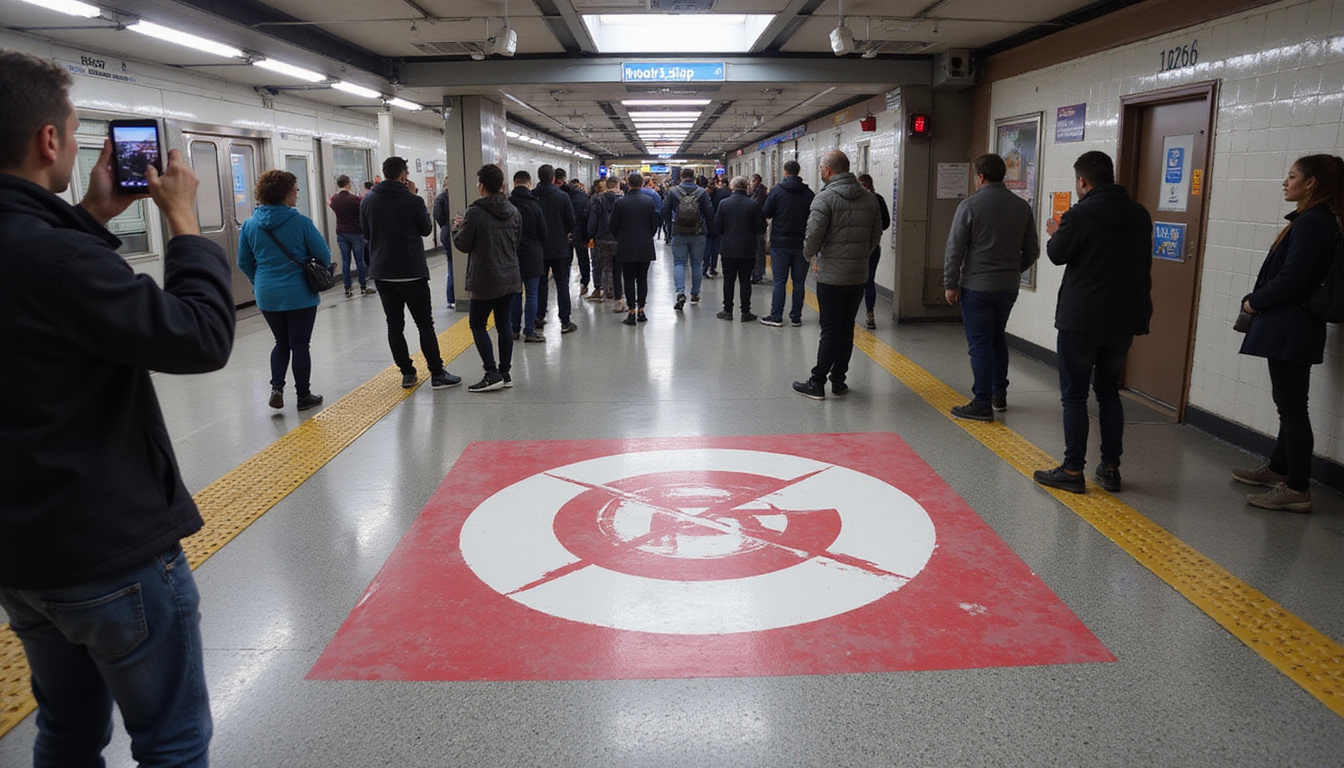
One of the oldest and most iconic forms of guerrilla marketing happens right on the street: sidewalks, crosswalks, bus stops, subway stations, and plazas.
How It Works
You transform a public space into an extension of your brand’s story. Think:
- Sidewalk chalk art that creates optical illusions.
- Interactive murals people can pose with.
- Bus stop takeovers that surprise commuters.
The key is to catch people in their everyday routines and disrupt that pattern in a delightful or thought-provoking way.
Real-World Example
- Frontline (flea & tick treatment) turned an entire mall floor graphic into a giant picture of a dog scratching itself. From the upper floors, passing shoppers looked like “fleas” on the dog—perfectly demonstrating the product benefit.
How to Use This Tactic
- Identify high-foot-traffic areas near your audience.
- Design something that works visually and makes sense with your brand.
- Add a clear but subtle brand tie-in (logo, URL, hashtag, or QR code).
Be sure to check local regulations before installing any physical or visual pieces in public spaces.
2. Ambient Marketing: Hide in Plain Sight
Ambient guerrilla marketing is about placing your message in unexpected locations where ads typically don’t live, but where the context makes your brand message incredibly powerful.
How It Works
You leverage the environment itself:
- Branded messages on elevator doors, staircase risers, door handles, or shopping carts.
- Creative wraps on everyday items like coffee cups or parking gate arms.
- Unique placements inside restrooms, gyms, or public transit.
Example Ideas
- A gym placing motivational floor decals on stairs: “You’re already working out. Keep going.”
- A language-learning app printing clever bilingual jokes on café napkins.
How to Use This Tactic
- Map all the touchpoints where your target audience spends time.
- Ask: Where are they bored, waiting, or stuck?
- Place a message they’d appreciate in that exact context—something that informs, entertains, or surprises.
Ambient marketing works especially well for local businesses and hyper-targeted campaigns.
3. Flash Mobs and Live Stunts: Create a Moment Worth Filming
Flash mobs and live stunts can turn a normal day into a spectacle—and if done right, into a viral video.
How It Works
You orchestrate a planned “spontaneous” event that unfolds in a public place:
- A choreographed dance that reveals your message at the end.
- A staged “freeze” where dozens of people stop moving at the same time.
- A surprise performance that gradually draws in bystanders.
The goal is twofold: delight people in the moment and generate content that can be amplified online.
What Makes a Live Stunt Work
- Clear concept: People should “get it” quickly.
- Emotional payoff: Make it funny, moving, shocking, or inspiring.
- Strong visual: It should look great on video.
Tips for Brands
- Keep branding light during the performance; reveal it toward the end.
- Plan for multiple camera angles and high-quality sound for your video.
- Get permissions where needed; don’t risk safety or legality.
When done well, a single stunt video can generate millions of views and sustainable brand awareness.
4. Experiential “Micro-Events”: Let People Try Your Brand Story
Not every guerrilla marketing idea has to be loud. Sometimes, intimate, high-impact experiences with a small number of people can have outsized reach—especially when those people share what they experienced.
How It Works
You design a pop-up or micro-event that immerses people in your brand:
- A 1-day pop-up store or tasting booth.
- A mobile truck with product samples and interactive demos.
- A themed installation (e.g., “Stress-Free Zone” for a meditation app).
Why It Works
- People remember experiences more than messages.
- Participants create and share content for you.
- It gives you face-to-face time to gather feedback and stories.
Implementation Tips
- Add a simple content hook: a “photo moment” or challenge.
- Collect email or social follows in exchange for access or samples.
- Partner with a local venue or event to piggyback on existing traffic.
Experiential guerrilla marketing is especially effective for food and beverage, consumer goods, and lifestyle brands.
5. Interactive Social Challenges: Turn Audiences Into Co-Creators
Viral doesn’t just happen—often, it’s engineered through mechanisms that make people want to participate. Enter social challenges: small, repeatable actions people can film or document and share with their networks.
How It Works
You build a simple, shareable challenge aligned with your brand:
- A physical challenge (e.g., a fitness brand’s 30-second plank wall challenge).
- A creative challenge (e.g., design your dream product, remix a jingle).
- A cause-driven challenge (e.g., donate and share a message of support).
Participants:
- Do the challenge.
- Post it with your branded hashtag.
- Nominate friends to do the same.
Key Ingredients for a Viral Challenge
- Low barrier: Easy for almost anyone to do.
- Clear rules: Simple and repeatable.
- Visible result: Something interesting on camera.
- Social incentive: Recognition, prizes, or just fun.
Study the ALS Ice Bucket Challenge’s structure, not just its impact: easy action, visual payoff, social nomination, and clear purpose (source: ALS Association).
6. Clever Street Teams and Brand Ambassadors
Street teams are a more organized form of guerrilla marketing that blend human interaction with creative outreach. Done right, they feel like serendipitous encounters, not hard sales.
How It Works
A group of trained ambassadors:
- Engage people in high-traffic areas.
- Give away samples, experiences, or mini-demonstrations.
- Spark conversations rather than deliver scripts.
Ideas for Street Team Guerrilla Marketing
- Costume-based teams that match your brand personality.
- “Helpful stranger” concept: teams offering free help or small favors.
- Mobile trivia games where people can win instant rewards.
Best Practices
- Train for authenticity, not robotic pitches.
- Give ambassadors a memorable hook (prop, uniform, or line).
- Track results with QR codes, unique URLs, or promo codes.
Street teams humanize your brand and can convert curiosity into action on the spot.
7. Guerrilla PR Hacks: Newsjacking and Unexpected Partnerships
Guerrilla marketing isn’t only physical. You can generate huge visibility by creatively inserting your brand into trending conversations or unexpected collaborations.
How It Works
- Newsjacking: Quickly create content or a stunt that taps into a current event or cultural moment.
- Odd-couple partnerships: Team up with a brand from a completely different category for a joint stunt or product.
Examples of PR-Driven Guerrilla Moves
- A small brand responding humorously to a big brand’s campaign on social media and getting picked up by press.
- A startup creating a “limited-edition” parody product around a viral meme, sending it to influencers and journalists.
Execution Tips
- Move fast; trends expire in days.
- Stay respectful—don’t exploit tragedies or sensitive events.
- Make it easy for journalists: have visuals, a short story angle, and a clear one-liner that explains what you did.
Guerrilla PR can turn a clever idea into articles, interviews, and organic mentions far beyond your ad budget.
How to Plan a Guerrilla Marketing Campaign (Without Losing Your Mind)
Even though guerrilla marketing feels spontaneous, the most successful campaigns are carefully planned.
Step-by-Step Framework
- Clarify your goal
- Brand awareness?
- Foot traffic?
- Social follows or signups?
- Know your audience
- Where do they hang out—online and offline?
- What do they find funny, exciting, or meaningful?
- Define your core message
- One simple idea people should remember.
- Choose your stage
- Street, event, social platform, or partner venue.
- Design for shareability
- Is there a moment worth filming or photographing?
- Is your branding clear but not overbearing?
- Check legal and safety issues
- Permits, property permissions, and public safety aren’t optional.
- Plan amplification
- Who will film? Who will post first?
- Are you seeding content to creators or media?
- Measure and learn
- Track reach, engagement, website visits, redemptions, or sales.
- Capture stories, comments, and qualitative feedback.
Common Mistakes to Avoid in Guerrilla Marketing
Even creative campaigns can miss the mark if you’re not careful.
-
Being shocking just to be shocking
If the idea doesn’t connect back to your brand or values, it may go viral—but not in a way that helps you. -
Overcomplicating the concept
If it needs a long explanation, it’s not guerrilla-friendly. Simplicity wins. -
Ignoring cultural sensitivity
Avoid humor or stunts that can be misinterpreted or offensive. -
Underestimating logistics
Timing, permits, weather, staffing—plan for the unglamorous details. -
No follow-up strategy
Don’t just chase a moment; know what you want people to do next (visit, follow, buy, sign up).
Mini Checklist: Is Your Idea Guerrilla-Ready?
Use this quick list to evaluate your concept:
- [ ] Is it surprising or unconventional?
- [ ] Can someone “get it” in 5 seconds?
- [ ] Does it clearly connect to your brand or product?
- [ ] Is there a visual or experiential hook worth sharing?
- [ ] Can it be executed safely and legally?
- [ ] Do you know how you’ll capture and amplify it online?
- [ ] Is there a clear next step for people who see it?
If you can honestly check off most of these, you’re on the right track.
FAQ: Guerrilla Marketing and Going Viral
Q1: What is guerrilla marketing in digital channels?
Digital guerrilla marketing applies the same principles—surprise, creativity, and low-cost impact—to online spaces. Examples include unexpected website takeovers, interactive social challenges, meme-based campaigns, or creative “easter eggs” hidden in apps and landing pages.
Q2: Is guerrilla advertising only for big, bold stunts?
No. Guerrilla advertising can be small, local, and highly targeted. A clever sticker campaign, a unique receipt message, or a pop-up demo at a community event can be just as effective for a local business as a huge stunt in Times Square is for a global brand.
Q3: How do I measure the success of a guerrilla marketing campaign?
Use a mix of quantitative and qualitative metrics: social mentions and shares, press coverage, website traffic spikes, coupon redemptions, email signups, or sales lifts. Also pay attention to comments and conversations—how people talk about your brand can be as important as how many people saw it.
Turn Your Next Campaign Into a Guerrilla Hit
You don’t need a massive budget to make a massive impact—you need a bold idea, a strong understanding of your audience, and the courage to do something different. Guerrilla marketing rewards brands that are willing to be inventive, human, and a little bit daring.
If you’re ready to turn your brand into a story people can’t stop sharing, start sketching out one small guerrilla concept you can test in the next 30 days. Then amplify, refine, and scale what works.
Don’t wait for virality to “just happen.” Design it. Plan it. Launch your own guerrilla marketing campaign—and let your creativity do what your ad budget can’t.