
If you want your business to stand out from the street, monument signs are one of the most powerful tools you can invest in. These low-profile, permanent structures do far more than simply display your name—they shape first impressions, guide visitors, and directly influence how many customers pull into your parking lot.
In this guide, you’ll learn how the right monument sign can instantly boost curb appeal and drive more foot traffic, the design elements that matter most, and how to choose the best option for your location and brand.
What Are Monument Signs?
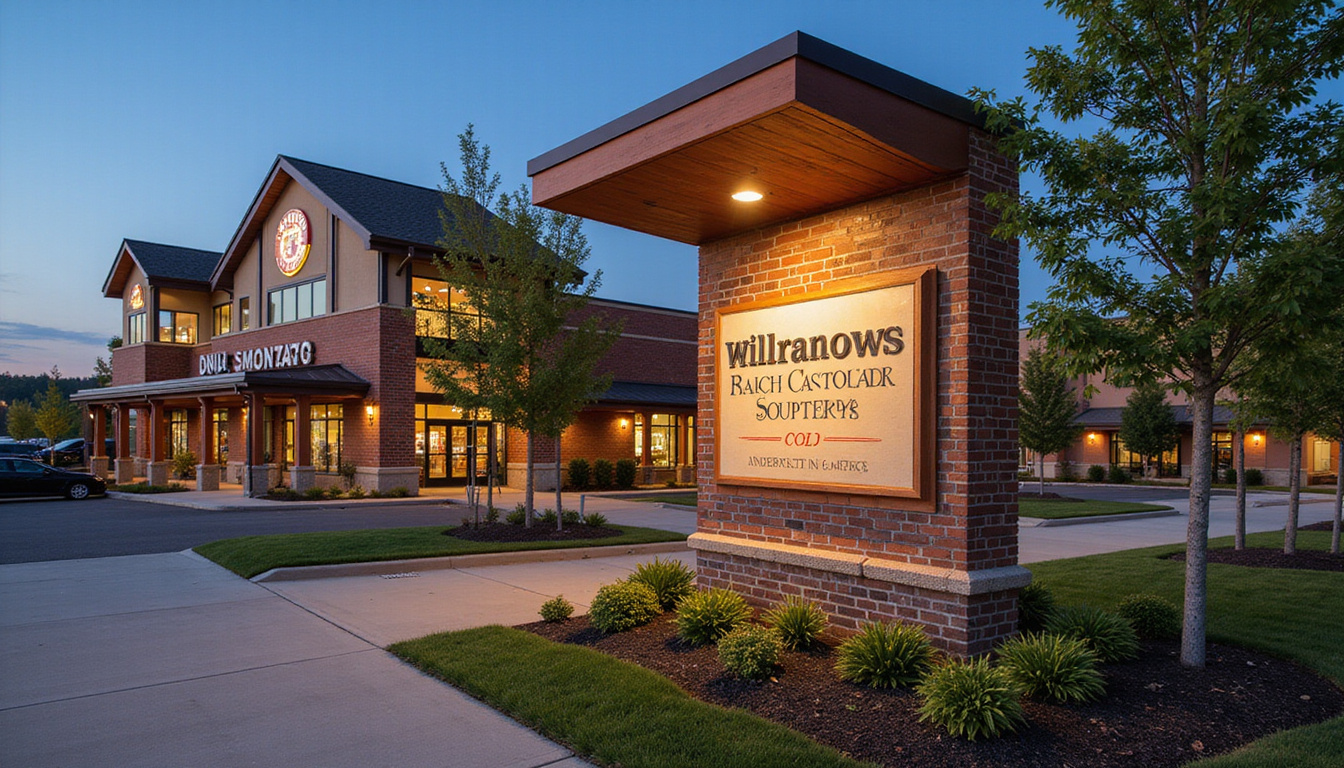
Monument signs are freestanding exterior signs typically installed at eye level near the ground, often at a property entrance or along the roadside. They’re usually built from durable materials such as brick, stone, concrete, metal, or high-density foam and are designed to be a permanent part of your site’s architecture.
Common features include:
- Your business name and logo
- Street address or suite numbers
- Illumination (internal or external)
- Architectural elements that match your building
- Space for multiple tenants (for shopping centers or office parks)
Unlike tall pylon or pole signs that are visible from far distances, monument signs focus on creating a strong, up-close impression and elevating the look and feel of your property.
Why Monument Signs Matter for Curb Appeal
Curb appeal isn’t just for homes. For any brick-and-mortar business, how your property looks from the street influences whether people feel comfortable and confident enough to visit.
A well-designed monument sign:
- Frames your entrance and makes your property feel intentional and cared for
- Connects your building to the surrounding landscape
- Gives your brand a permanent, established presence
- Sets expectations about your professionalism and quality
Research has shown that roughly 76% of consumers have entered a store they had never visited before based simply on its signage, and about 68% see a business’s sign as a reflection of the quality of its products or services (source: International Sign Association summarizing signage impact studies).
In other words, if your sign looks cheap, outdated, or hard to find, potential customers may assume the same about your business.
How Monument Signs Drive Foot Traffic and Revenue
Beyond aesthetics, monument signs have a direct, measurable impact on how many people walk through your doors.
High Visibility From the Street
Placed near the roadway at driver eye level, monument signs make it easy for passersby to:
- Notice you from a distance
- Recognize and remember your brand
- Find your entrance quickly in traffic
This is especially important if:
- Your building sits far back from the road
- You’re in a busy commercial corridor with many businesses
- Trees, other buildings, or elevation changes obscure your storefront
Improved Wayfinding and Access
Clear, attractive signage reduces friction in the customer journey. When people can see your name and entrance at a glance, they’re less likely to:
- Miss your driveway
- Make unsafe last-second turns
- Get frustrated trying to find you
That ease translates into more first-time visits, fewer lost customers, and a smoother experience for existing clients.
Stronger Brand Presence
Monument signs give you a substantial, physical branding platform that works 24/7. With smart design, they can:
- Reinforce your brand colors, typography, and logo
- Communicate your market position (luxury, family-friendly, professional, etc.)
- Help you stand out from nearby competitors
Over time, this repeated exposure builds local brand recognition, which directly contributes to more foot traffic and higher revenue.
Types of Monument Signs to Consider
Different materials and structures can create very different impressions. Here are some of the most common types of monument signs and where they work best.
Masonry Monument Signs (Brick, Stone, Concrete)
These signs are built with materials like brick, natural stone, cultured stone, or poured concrete.
Best for:
- Professional offices (law firms, medical, financial)
- Schools and universities
- Churches and civic institutions
- Upscale retail and hospitality
Pros:
- Very durable and weather-resistant
- High-end, permanent appearance
- Can be integrated seamlessly with walls, pillars, and landscaping
Architectural Metal and Aluminum Signs
These use metal panels, aluminum cabinets, or steel structures, often with clean lines and modern graphics.
Best for:
- Corporate campuses and tech companies
- Modern retail and showrooms
- Industrial parks and warehouses
Pros:
- Sleek, contemporary look
- Excellent for illuminated graphics
- Often lighter and easier to modify or update than masonry
Foam-Core and Faux-Stone Monument Signs
High-density urethane (HDU) foam signs are crafted to mimic brick, stone, or stucco at a lower cost and weight.
Best for:
- Small to mid-sized businesses
- Property managers and developers with multiple sites
- Budget-conscious projects needing a masonry look
Pros:
- Cost-effective compared to full masonry
- Wide range of textures and finishes
- Resistant to rot and insects; easier to install
Digital and LED Monument Signs
These combine a traditional base with a digital display or LED message center.
Best for:
- Schools and colleges
- Churches
- Car dealerships and quick-service restaurants
- Municipal buildings
Pros:
- Change messages and promotions easily
- Display time, temperature, events, or emergency info
- Attract attention with motion and light
Essential Design Elements of Effective Monument Signs
To truly boost curb appeal and foot traffic, monument signs must be carefully designed. It’s not just about looking good—it’s about being seen, understood, and remembered.
1. Readability at Speed and Distance
Drivers have only a few seconds to read and process your sign. Prioritize:
- Letter height: A common rule of thumb is at least 1 inch of letter height for every 10 feet of viewing distance. For roadside monument signs, 6–12 inch letters are typical.
- Font choice: Use clean, simple typefaces—avoid overly ornate scripts or ultra-thin fonts.
- Contrast: Dark text on a light background (or vice versa) ensures readability in a range of lighting conditions.
2. Strong, Consistent Branding
Your monument sign should feel like a natural extension of your business identity.
- Use your official logo and brand colors
- Match typefaces to your website and other materials when possible
- Reflect your brand personality: traditional, playful, high-tech, etc.
- Coordinate materials with your building façade (brick, stone, metal)
3. Strategic Illumination
Illumination helps your sign work at dawn, dusk, and nighttime—and during bad weather.
Options include:
- Internally illuminated cabinets: Light shines through translucent faces.
- Backlit (halo-lit) letters: Creates a sophisticated glow around each letter.
- External ground lighting: Spotlights or floods wash the sign face with light.
Choose lighting that fits your local sign code and the character of your property. A professional firm can help ensure you meet brightness and shielding requirements.
4. Integration with Landscaping and Site Design
A monument sign should look like it belongs on your property, not just dropped on the edge of the driveway.
Consider:
- Low shrubs, perennials, or ornamental grasses around the base
- A matching masonry wall, pillars, or fencing
- Clear sightlines so plants don’t block the sign as they grow
- Setback from curbs or roads for safety and code compliance
5. Room for Future Updates
If you manage a multi-tenant property or anticipate growth, design flexibility is key:
- Modular panels or plaques for tenant names
- An interchangeable message panel for promotions
- Space to add future services, departments, or branding elements
Where Monument Signs Work Best
Not every location or business needs a monument sign, but many benefit significantly from one. They’re especially effective for:
- Businesses set back from the road
- Properties with multiple buildings or tenants
- Sites with limited window visibility from the street
- Locations with complex or confusing access points
- Institutions that want a sense of permanence and prestige
Examples of ideal applications include:
- Medical and professional office parks
- Retail centers and strip malls
- Apartment and condo communities
- Hotels, resorts, and event venues
- Schools, churches, and municipal buildings
- Manufacturing plants and corporate campuses
Steps to Getting a Monument Sign That Performs
Working with an experienced sign company or design-build firm is crucial. Here’s a typical process:
-
Site Assessment
- Analyze traffic patterns, viewing angles, and obstructions
- Confirm utility locations and property lines
-
Code and Permit Review
- Check local ordinances for size, height, and lighting restrictions
- Understand design guidelines in planned developments or HOAs
-
Concept Design and Branding
- Develop sketches and renderings based on your brand and architecture
- Choose materials, colors, and illumination methods
-
Engineering and Fabrication
- Ensure structural integrity, wind load compliance, and safe installation
- Fabricate the sign with weather-resistant, long-lasting materials
-
Installation and Inspection
- Coordinate equipment and traffic control if needed
- Secure final inspection and approvals where required
-
Maintenance Planning
- Schedule cleaning, lighting checks, and landscaping upkeep
- Plan for updates to tenant panels or digital messages
Common Mistakes to Avoid with Monument Signs
Even a well-intentioned project can fall short if you overlook key details. Watch out for:
- Overcrowded design: Too much text or imagery makes the sign hard to read.
- Poor placement: A beautiful sign in the wrong location won’t be seen in time.
- Ignoring code requirements: Non-compliant signs can lead to costly redesign or removal.
- Cheap materials: You might save upfront, but fading, cracking, or rust will hurt your image and require early replacement.
- Inconsistent branding: Using off-brand colors or fonts confuses customers and weakens your identity.
Quick Checklist for High-Impact Monument Signs
Use this list when planning your project:
- [ ] The sign is clearly visible from both directions of traffic
- [ ] Letter height and contrast are appropriate for viewing distance
- [ ] Materials and style complement the building and surroundings
- [ ] Illumination is sufficient and code-compliant
- [ ] Landscaping frames—but does not block—the sign
- [ ] The design clearly reflects your brand personality
- [ ] There’s room for future updates or additional tenants
- [ ] All local permits and approvals are accounted for
FAQ About monument signs
Q1: How much do monument signs typically cost?
Costs vary widely depending on size, materials, illumination, and complexity. A simple, non-illuminated monument sign may start in the low thousands, while a large masonry or digital monument sign can be significantly more. Getting a site-specific quote from a local sign company is the best way to plan your budget.
Q2: Are outdoor monument signs allowed in all areas?
Most commercial zones permit outdoor monument signage, but every municipality has its own sign code. Regulations can dictate maximum height, square footage, lighting types, and setback from the road. Always check with local authorities or work with a sign professional who can navigate permitting for you.
Q3: What are the most durable materials for custom monument signs?
Brick, stone, and concrete are among the most durable materials for custom monument signs, especially in harsh climates. Powder-coated aluminum and steel can also perform very well when fabricated correctly. High-density urethane foam is durable when sealed and painted properly, offering an attractive alternative to full masonry.
Elevate Your Property with a Monument Sign That Works Hard for You
Your property’s first impression happens long before someone walks through your doors. Monument signs give you a permanent, powerful way to shape that moment—projecting credibility, guiding visitors effortlessly, and turning passing drivers into paying customers.
If your current signage is outdated, hard to see, or simply doesn’t match the quality of your business, now is the time to upgrade. Partner with an experienced sign company that understands local codes, offers full design-to-installation services, and can craft a monument sign tailored to your brand, your site, and your goals.
Invest once in a high-quality monument sign, and it will work for you every day—boosting curb appeal, increasing foot traffic, and reinforcing your reputation in the community for years to come.