
If your open fireplace looks beautiful but feels like a money pit, freestanding inserts may be the missing piece. These efficient, self-contained units can turn a drafty hearth into a powerful heat source while adding a fresh design statement to your living room, den, or open-plan space.
This guide walks you through what freestanding inserts are, how they work, and how to choose the right one to cut energy bills and upgrade the look of your home.
What Are Freestanding Inserts?
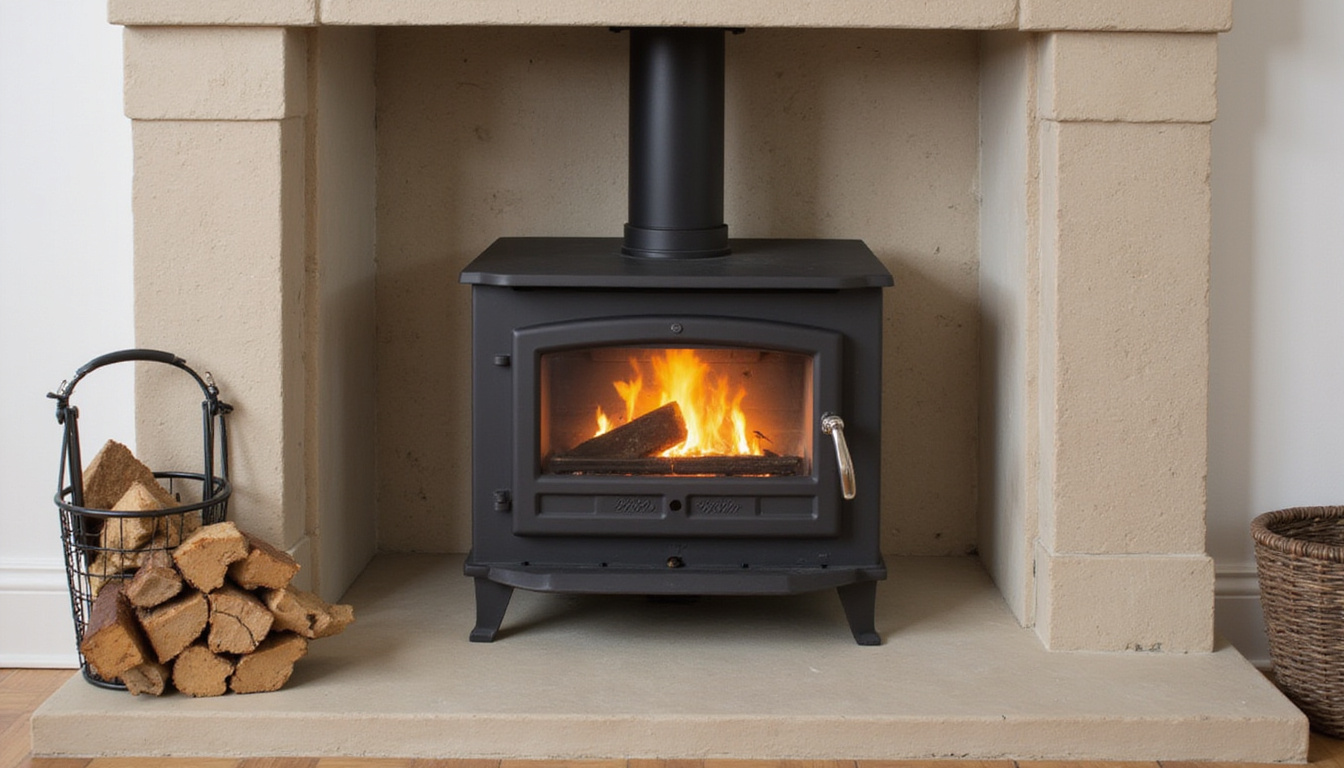
Freestanding inserts are heating appliances—usually wood, gas, or electric—that look like a stove or compact fireplace and can be:
- Positioned in front of an existing hearth and vented through the chimney, or
- Installed elsewhere in a room and vented through a wall or roof (for gas or wood), or
- Used with no vent at all (for many electric models).
They’re called “freestanding” because they sit as a standalone unit on a hearth pad or floor, instead of being built into a wall like traditional fireplace inserts. In many homes, they deliver more usable heat and greater flexibility in placement and style.
Why Freestanding Inserts Are a Smart Energy Upgrade
1. Dramatically Better Efficiency
Traditional open fireplaces can lose up to 80–90% of their heat up the chimney. By contrast:
- Modern wood and gas freestanding inserts often achieve 70–80% efficiency or higher.
- Electric freestanding inserts can be close to 100% efficient at converting electricity to heat in the room since there’s no chimney loss.
According to the U.S. Department of Energy, advanced wood heating appliances can substantially cut home heating costs when used for “zone heating” (source: energy.gov). That’s exactly where freestanding inserts excel.
2. Lower Energy Bills with Zone Heating
Instead of blasting your central heating system to keep the whole house warm, you can use a freestanding insert to:
- Focus heat where you actually live and relax (living room, great room, basement).
- Turn down your thermostat in the rest of the house.
- Run your central heat less often during shoulder seasons.
For many households, this “zone heating” strategy can cut gas, oil, or electric bills—especially in older homes with poor insulation or drafty rooms.
3. Improved Comfort and Consistent Heat
Open fireplaces produce intense radiant heat nearby but do little for the rest of the room. Freestanding inserts, by contrast:
- Often include fans or blowers that circulate warm air.
- Deliver steadier, more even heat distribution.
- Can be thermostatically controlled (gas and electric models).
The result: fewer cold spots, less temperature swing, and a living space that actually feels cozy instead of chilly.
Key Types of Freestanding Inserts (and How They Compare)
Choosing among freestanding inserts starts with fuel type. Each has distinct advantages in cost, convenience, and style.
Wood-Burning Freestanding Inserts
Wood units are popular for people who love a traditional fire experience.
Pros
- Real flames, crackle, and aroma.
- Can operate during power outages.
- Fuel may be inexpensive or readily available in rural areas.
- Modern EPA-certified models burn cleaner and more efficiently than old stoves.
Cons
- Requires chimney or flue and regular professional cleaning.
- Need for wood storage, cutting, stacking, and carrying.
- More ash and maintenance than gas or electric.
- Not ideal in areas with strict air-quality regulations.
Best for: Homeowners who enjoy the ritual of a real fire and want a serious heat source that can work off-grid.
Gas Freestanding Inserts
Gas freestanding inserts offer a clean, low-maintenance alternative with excellent control.
Pros
- Instant on/off and flame adjustment with a remote or wall switch.
- Highly efficient, with many models offering thermostatic control.
- Very low maintenance—no ash, no wood hauling.
- Realistic flame and log sets in contemporary or traditional styles.
Cons
- Requires natural gas or propane hook-up.
- Professional installation and venting needed.
- Higher upfront investment versus basic electric units.
Best for: Busy households and anyone who wants real flames and strong heat without the mess of wood.
Electric Freestanding Inserts
Electric freestanding inserts are the simplest to install and most flexible in placement.
Pros
- Plug-and-play: most just need a standard outlet.
- No chimney, vent, or gas line required.
- Can operate flame effects with or without heat.
- Cool to the touch glass on many units—good for kids and pets.
- Wide range of styles, from rustic stove looks to modern linear designs.
Cons
- Heating capacity limited by electrical circuit (commonly 4,000–5,000 BTUs).
- Depend on electricity; no heat during power outages.
- Flames are simulated, not real.
Best for: Apartments, condos, and rooms where venting is difficult or impossible; homeowners prioritizing convenience and aesthetics over maximum heat output.
How Freestanding Inserts Slash Energy Bills
The right freestanding insert can lower household energy use in several ways:
-
Higher Heat Output per Unit of Fuel
Efficient burners, secondary combustion (for wood), and sealed systems reduce wasted heat. -
Reduced Stack Loss
Sealed doors and controlled venting mean far less warm indoor air is drawn up the chimney compared to an open fireplace. -
Targeted Heating
Warming only the space you use lets you drop the central thermostat a few degrees, saving 1–3% on energy per degree. -
Programmable and Zoned Operation
Thermostats and timers on gas and electric freestanding inserts avoid overheating and cut unnecessary runtime.
For best results, many homeowners combine a freestanding insert in the main living area with modest thermostat setbacks elsewhere in the house.
Style: From Rustic Centerpiece to Minimalist Statement
Freestanding inserts aren’t just about performance—they can transform the look and feel of a room.
Classic and Rustic Looks
- Cast iron or steel “stove” bodies with decorative legs.
- Arched doors, enamel finishes, and vintage-inspired detailing.
- Ideal for cabins, farmhouses, and traditional homes.
Transitional Styles
- Simple, clean lines that pair well with both classic and modern décor.
- Large glass doors for an expansive view of the flames.
- Neutral finishes in black, graphite, or charcoal.
Modern and Contemporary Designs
- Sleek, boxy silhouettes or low-profile rectangular forms.
- Linear burners, glass media, or minimalist log sets (for gas and electric).
- Perfect for open-plan spaces and modern renovations.
Because freestanding inserts are visually prominent, consider how they pair with:
- Existing hearth or surround materials (brick, stone, tile).
- Flooring and nearby furniture.
- Other fixtures like built-ins or media centers.
Features to Look for in High-Performance Freestanding Inserts
When comparing models, prioritize features that boost both efficiency and user experience:
-
High Efficiency Rating
Look for EPA-certified wood-burning and high AFUE or EnerGuide ratings for gas. -
Blower or Fan Kit
Helps move heat across the room rather than letting it pool around the unit. -
Thermostat or Remote Control
For gas and electric units, this allows precise temperature management and convenience. -
Programmable Settings (Electric)
Set timers or schedules to pre-warm a room and avoid wasted energy. -
Secondary Combustion (Wood)
Burns gases and particulates in the smoke, improving heat output and reducing emissions. -
Safety Glass and Cool-Touch Surfaces
Especially important in homes with children or pets. -
Quiet Operation
Check reviews for blower noise if you’re sensitive to sound.
Installation and Safety Considerations
Professional vs. DIY
- Wood and gas freestanding inserts should almost always be installed by licensed professionals to ensure safe venting, proper clearances, and code compliance.
- Electric freestanding inserts can often be DIY installations, but always follow manufacturer instructions and local codes.
Clearances and Hearth Protection
Most freestanding inserts require:
- Minimum distances from walls, furniture, and combustibles.
- A non-combustible hearth pad or floor protection beneath and sometimes in front of the unit.
- Adequate ventilation around the unit for safe operation.
Check the product manual and confirm with your installer for exact requirements.
Venting and Chimneys
- Wood and many gas freestanding inserts use a flue that may go up an existing chimney or through an exterior wall or roof.
- Liners and vent pipes must be sized and installed correctly for safe draft and performance.
Maintenance Tips to Maximize Efficiency and Longevity
To keep freestanding inserts running safely and efficiently:
-
Wood Units
- Burn only seasoned, dry hardwood.
- Empty ash regularly (in a metal container with lid).
- Schedule annual chimney inspections and sweepings.
-
Gas Units
- Have a pro inspect burners, pilot assemblies, and venting yearly.
- Keep glass and logs clean per manufacturer guidance.
-
Electric Units
- Dust vents and clean glass periodically.
- Check cords and outlets for wear.
Regular care supports maximum heat output, safe operation, and a longer service life.
Quick Buying Checklist
Use this list when evaluating freestanding inserts for your home:
- Identify your primary goal: big heat, ambiance, or both.
- Choose fuel type: wood, gas, or electric based on utilities and lifestyle.
- Measure your room size and insulation level to determine BTU needs.
- Confirm where the unit will sit and what venting (if any) is possible.
- Check clearance and hearth requirements against your existing space.
- Compare efficiency ratings and key features (blower, thermostat, remote).
- Match style and finish to your room’s design.
- Get a professional quote for installation if choosing wood or gas.
FAQ: Freestanding Inserts
Q1: Are freestanding inserts more efficient than traditional fireplaces?
Yes. Most freestanding inserts are significantly more efficient than open masonry fireplaces. Their sealed fireboxes, controlled air intake, and direct venting minimize heat loss and convert more fuel into usable room heat.
Q2: Can a freestanding fireplace insert heat an entire house?
In small, well-insulated homes or open layouts, a powerful wood or gas freestanding insert can do most of the heating. In larger or multi-story homes, they’re best for zone heating key living areas while your central system handles the rest.
Q3: Are electric freestanding fireplace inserts good for reducing bills?
Electric freestanding inserts can reduce bills when used for targeted heating—warming the room you’re in so you can lower the thermostat elsewhere. They’re especially cost-effective in well-insulated spaces and when you use the heat feature selectively.
Transform Your Fireplace into a Powerhouse of Comfort and Style
An open fireplace may look charming, but it often wastes energy and leaves rooms chilly. Freestanding inserts turn that inefficiency into opportunity: more usable heat, lower energy bills, and a design upgrade all at once.
If you’re ready to stop sending warmth up the chimney and start enjoying a truly cozy, stylish living space, explore freestanding inserts tailored to your home. Talk with a qualified installer or fireplace specialist, compare wood, gas, and electric options, and choose the model that fits your lifestyle and décor.
Investing in the right freestanding insert now can pay you back in comfort, savings, and year-round enjoyment for years to come.