
Branded apparel has quietly become one of the most powerful tools for building brand recognition and driving sales. When done strategically, those T‑shirts, hoodies, caps, and polos do far more than look good—they turn customers and employees into walking billboards, deepen loyalty, and create memorable brand moments that pay off for years.
Below, you’ll learn the key branded apparel secrets top-performing brands use to boost visibility, engagement, and revenue—without wasting money on boxes of unused merch.
Why branded apparel works so well
Branded apparel taps into three powerful marketing levers at once:
- Constant visibility – Every time someone wears your apparel, your logo and message are seen by new people in real-world settings.
- Social proof – When others see real people wearing your brand, it signals credibility and popularity.
- Emotional connection – Clothing is personal. When your brand feels good to wear, it’s associated with comfort, pride, and belonging.
According to the Advertising Specialty Institute, promotional products like branded apparel are kept for an average of eight months and generate thousands of impressions at a far lower cost per impression than most traditional media (source). That staying power is what makes high-quality merch a smart long-term investment rather than just a giveaway.
Secret #1: Design for wearability, not just branding
The biggest mistake brands make is designing apparel for themselves instead of for the people who will wear it. A giant logo centered on a low-quality T-shirt rarely becomes anyone’s favorite item of clothing.
To skyrocket impact, design branded apparel that people genuinely want in their wardrobe:
-
Prioritize comfort
Use soft fabrics, flattering fits, and inclusive sizing. If it doesn’t feel good, it won’t get worn. -
Lead with aesthetics
Treat your apparel like a fashion piece. Use on-trend colors, minimalistic branding, or clever illustrations that match your audience’s style. -
Downplay the logo when appropriate
Subtle branding (a small chest logo, sleeve print, or tag detail) often gets more real-world use than loud, oversized graphics. -
Offer variety
Not everyone wants a T-shirt. Mix in hoodies, hats, beanies, athletic wear, or accessories suited to your audience’s lifestyle and climate.
Think: would a stranger wear this even if they didn’t know the brand? If the answer is yes, you’re on the right track.
Secret #2: Align apparel with your brand story and values
Effective branded apparel doesn’t just display your logo—it tells a story. When you align every piece with your mission and personality, each garment becomes a wearable extension of your brand.
Consider:
-
Core message and tagline
Can you turn your mission or tagline into a bold, catchy statement on a shirt or hoodie? -
Brand tone
A playful brand might use witty one-liners; a luxury brand will lean into minimal, high-end design; an eco-conscious brand will emphasize materials and sourcing. -
Cause alignment
If your brand supports a cause (sustainability, mental health, community development), your apparel can showcase this through materials, messaging, and collaborations with nonprofits.
When people feel your values in what they’re wearing, they’re more likely to become vocal brand advocates.
Secret #3: Use apparel as a strategic sales and marketing tool
Branded apparel should never sit on the sidelines as a “nice extra.” To skyrocket brand recognition and sales, integrate it into your core growth strategy.
Here are powerful ways to do that:
-
Bundle apparel with purchases
Offer limited-edition shirts or hats as a gift with purchase over a certain amount. This increases average order value and encourages shoppers to spend just a bit more. -
Create exclusive drops
Limited-time, limited-quantity apparel releases build urgency and buzz. Announce drops via email and social media to drive traffic and conversions. -
Reward loyalty and referrals
Give your most engaged customers or top referrers access to exclusive merch. Wearing it becomes a badge of honor that also spreads your brand. -
Sell instead of only giving away
When customers pay for your apparel, perceived value rises—and they’re more likely to wear it often. You can still comp select items for influencers, partners, and top-tier customers. -
Upsell at point of purchase
Add branded apparel as “You might also like” or at checkout. Even a modest conversion rate can add meaningful incremental revenue.
Treat every piece of apparel as a mini marketing campaign tied to clear goals: more signups, higher order values, increased retention, or greater social reach.
Secret #4: Turn employees into enthusiastic brand ambassadors
Your team is your most natural group of brand advocates, and branded apparel is one of the simplest ways to empower them.
Done right, employee-focused branded apparel can:
- Strengthen internal culture and pride
- Create a more cohesive, professional customer-facing image
- Encourage organic social sharing of company events and milestones
To make this effective:
-
Give choice and autonomy
Offer a range of items (T-shirts, zip-ups, hats, fleeces) and allow employees to choose what they like and will actually wear. -
Make it feel like a perk
Present new branded apparel during team meetings, retreats, or milestones, not as mandatory uniforms. -
Encourage casual wear
If employees are proud to wear your apparel outside of work, your brand visibility multiplies at zero extra cost. -
Tie apparel to recognition
Create special “earned” items for top performers, anniversaries, or project completions. These become meaningful symbols, not just clothes.
Happy employees in great-looking branded apparel help humanize and amplify your brand far beyond your office walls.
A single piece of branded apparel gains exponential value when it shows up repeatedly on social feeds. Encourage and incentivize customers and employees to share:
-
Create a unique hashtag
Use a branded hashtag for all apparel posts. Feature user-generated content (UGC) on your own channels or website. -
Run contests and challenges
Ask people to share photos wearing your merch in creative locations. Reward winners with gift cards, exclusive items, or early access to new drops. -
Partner with micro-influencers
Send carefully selected creators high-quality branded apparel that suits their style. Their posts provide authentic third-party endorsement. -
Use unboxing experiences
Package apparel thoughtfully. Branded tissue, inserts, or thank-you notes encourage recipients to share the unboxing moment.
The more your branded apparel appears online, the more brand impressions you earn—and the more social proof you build with your ideal audience.
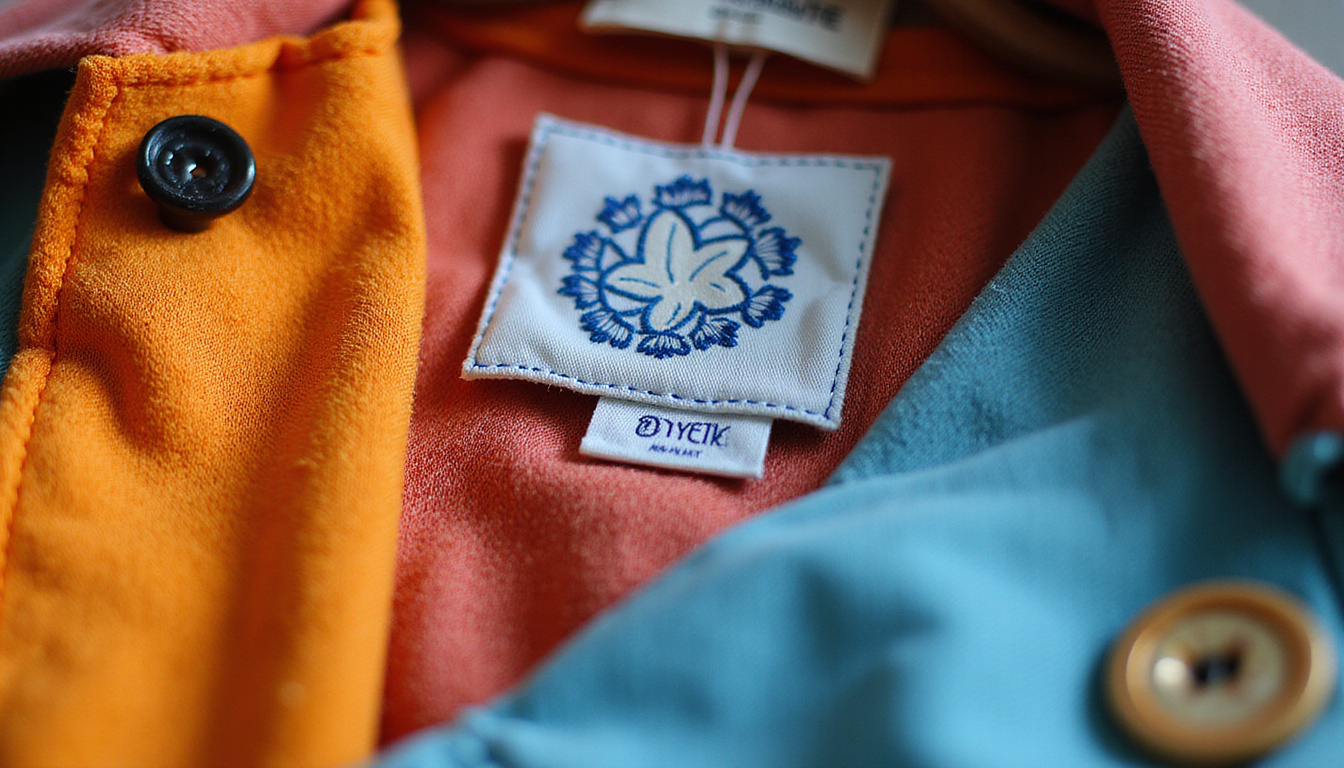
Secret #6: Focus on quality to protect (and elevate) your brand
Cheap, scratchy shirts and peeling prints do more harm than good. Every piece of branded apparel is a tactile experience of your brand quality.
Investing in better materials and production yields benefits:
- Longer wear life (more impressions over time)
- Stronger perceived brand value
- Higher willingness to pay for merch
- Fewer complaints and returns
Pay attention to:
- Fabric quality – softness, weight, breathability
- Print and embroidery – durability after washing, color accuracy
- Fit and sizing – inclusive ranges, modern silhouettes
- Ethical sourcing – suppliers’ labor and environmental practices
For brands that position themselves as premium, sustainable, or detail-oriented, your apparel must reflect that promise.
Secret #7: Measure the impact of your branded apparel
To maximize return on investment, treat branded apparel like any other marketing channel: track, test, and optimize.
You can measure performance through:
-
Redemption and engagement rates
Use QR codes or unique URLs on hang tags or labels to drive people to landing pages. Track visits, signups, or downloads. -
Coupon and code usage
Add exclusive discount codes printed on tags or packaging. Measure resulting sales. -
Social media metrics
Monitor posts with your hashtags, mentions, and tagged photos. Track reach, engagement, and growth over time. -
Surveys and feedback
Ask customers and employees about fit, feel, and design. Use feedback to refine your next production run. -
Sales and AOV lift
Compare periods with apparel campaigns (bundles, gifts-with-purchase, drops) against control periods to quantify impact.
Even simple tracking reveals which designs, formats, and campaigns move the needle most for your brand.
Practical checklist: Launching winning branded apparel
Use this checklist to design and roll out more effective merch:
- Define your goal (brand awareness, loyalty, revenue, referrals, etc.).
- Identify your primary audience (customers, prospects, employees, partners).
- Choose apparel types that fit your audience’s lifestyle and climate.
- Design with style and comfort first, branding second.
- Select quality materials and reliable production partners.
- Align messaging and visuals with your core brand story and values.
- Plan how apparel ties into campaigns (bundles, contests, drops, rewards).
- Create a social strategy to amplify UGC and influencer content.
- Implement basic tracking (QR codes, hashtags, codes, surveys).
- Gather feedback and adjust future designs and quantities accordingly.
FAQ about branded apparel and brand growth
1. How does branded apparel increase brand recognition?
Branded apparel increases brand recognition by turning everyday wearers into moving advertisements. Each time someone wears your branded shirt, hoodie, or hat in public—or posts a photo in it online—new people are exposed to your logo, colors, and message. Over time, repeated exposure through apparel builds familiarity and recall far more affordably than one-off ads.
2. What types of branded clothing work best for small businesses?
For small businesses, the best branded clothing items are those that match your audience’s daily life: comfortable T-shirts, caps, and hoodies are usually safe bets. Start with a few high-quality staples that reflect your brand vibe instead of trying to offer everything at once. Focus on pieces your customers are likely to wear repeatedly and proudly—those will drive the most word-of-mouth and visibility.
3. How can I sell branded merchandise without feeling pushy?
You can sell branded merchandise naturally by integrating it into your overall experience instead of hard selling it. Offer apparel as a tasteful add-on at checkout, use limited releases that feel special, and position your branded apparel as a way for fans to support and represent the brand they already love. When the designs are genuinely attractive and the quality is high, customers are often excited—not pressured—to buy.
Branded apparel is far more than swag; it’s a long-term, high-impact brand asset when approached strategically. By prioritizing design and comfort, aligning every piece with your brand story, using apparel as a clear marketing and sales lever, empowering employees as ambassadors, amplifying through social media, and measuring results, you can turn simple clothing into a powerful growth engine.
If you’re ready to transform your logo from a static image into something people are proud to wear, start planning your next wave of branded apparel now—define your goals, choose your hero pieces, and build a campaign that turns every shirt, hat, and hoodie into measurable momentum for your brand.