
Cover Wrap Hacks: Affordable Ways to Refresh Your Home and Car
A well-chosen cover wrap can completely change the look of your home or car—without the cost or commitment of a full renovation or repaint. From kitchen counters and cabinets to dashboards and doors, wraps offer a budget-friendly, DIY-friendly way to get a fresh, custom aesthetic in just a few hours.
Below, you’ll find practical, affordable ideas for using cover wraps in both home and car projects, along with tips, tools, and techniques to help your results look clean and professional.
What Is a Cover Wrap?
A cover wrap is a thin material—usually vinyl, fabric, or adhesive film—designed to go over an existing surface. It can be decorative, protective, or both.
Common types include:
- Vinyl wraps for cars, furniture, appliances, and walls
- Contact paper (adhesive film) for counters, shelves, and cabinets
- Fabric or slipcover wraps for sofas, chairs, and cushions
- Protective wraps for electronics, laptops, and phones
The main advantages:
- Much cheaper than replacement or repainting
- Removable in most cases
- Wide range of colors, textures, and finishes
- Often DIY-friendly with basic tools
Affordable Home Makeovers with Cover Wraps
You don’t need a contractor to transform your space. With a few rolls of adhesive film or vinyl cover wrap, you can test bold design choices, hide wear and tear, or simply modernize dated finishes.
1. Transform Your Kitchen on a Budget
Kitchen remodels are notorious for being expensive. Using a cover wrap is one of the simplest ways to get a new look for a fraction of the cost.
Cabinets
Self-adhesive vinyl designed for furniture is ideal for cabinet doors and drawer fronts.
- Choose matte white or light gray to brighten a dark kitchen
- Use wood-grain vinyl to fake the look of new wood doors
- Try a contrasting island wrap (e.g., navy or black) for a high-end, custom feel
Installation tips:
- Clean thoroughly with a degreaser and let dry
- Remove hardware and doors when possible
- Use a squeegee and heat gun or hairdryer to ease vinyl around edges
Countertops
Countertop wraps can mimic marble, concrete, stone, or butcher block.
Look for:
- Heat-resistant, waterproof adhesive film
- Thicker vinyl (usually more forgiving and durable)
This won’t feel like real stone, but a well-installed cover wrap can dramatically improve the look of worn laminate counters at very low cost.
2. Refresh Appliances Instead of Replacing Them
Dated but functional appliances can be wrapped instead of replaced.
Popular appliance wrap ideas:
- Stainless-steel effect wrap for fridges, dishwashers, and trash cans
- Black or matte charcoal wrap for a modern, high-contrast look
- Chalkboard vinyl on a fridge door for notes and grocery lists
Ensure your chosen cover wrap is suitable for slightly warm surfaces and clean with non-abrasive products to extend its life.
3. Update Furniture with Vinyl and Fabric Wraps
From IKEA hacks to vintage finds, you can give furniture a new lease on life with wraps.
Tables and Desks
- Wrap tabletops with wood, marble, or concrete-effect vinyl
- Add a clear protective layer on top if you expect heavy use or moisture
Dressers and Sideboards
- Use solid color vinyl for a sleek, modern style
- Add patterned wrap only to drawer fronts for an accent look
Upholstered Furniture
- Use stretchy sofa slipcovers as a type of fabric cover wrap
- Wrap seat cushions or headboards with upholstery fabric and a staple gun
This is especially useful in rentals where you can’t make permanent changes but want a coordinated look.
4. Walls, Doors, and Backsplashes
If painting isn’t an option—or you want a patterned or textured effect—a decorative cover wrap can be your best friend.
Accent Walls
- Use peel-and-stick wallpaper as a removable wall wrap
- Choose subtle textures (linen, grasscloth look) for a high-end feel
- Try geometric or botanical patterns for smaller accent areas
Interior Doors
- Wrap flat doors in wood-look or solid color vinyl to match trim
- Add metallic or contrasting wraps to closet doors for a boutique vibe
Backsplashes
- Peel-and-stick tile wraps can imitate subway tile, marble, or mosaic patterns
- Ideal for renters or for testing a look before a full renovation
Look for fire-resistant and waterproof products in kitchen and bathroom areas and follow manufacturer guidelines (source: U.S. Consumer Product Safety Commission).
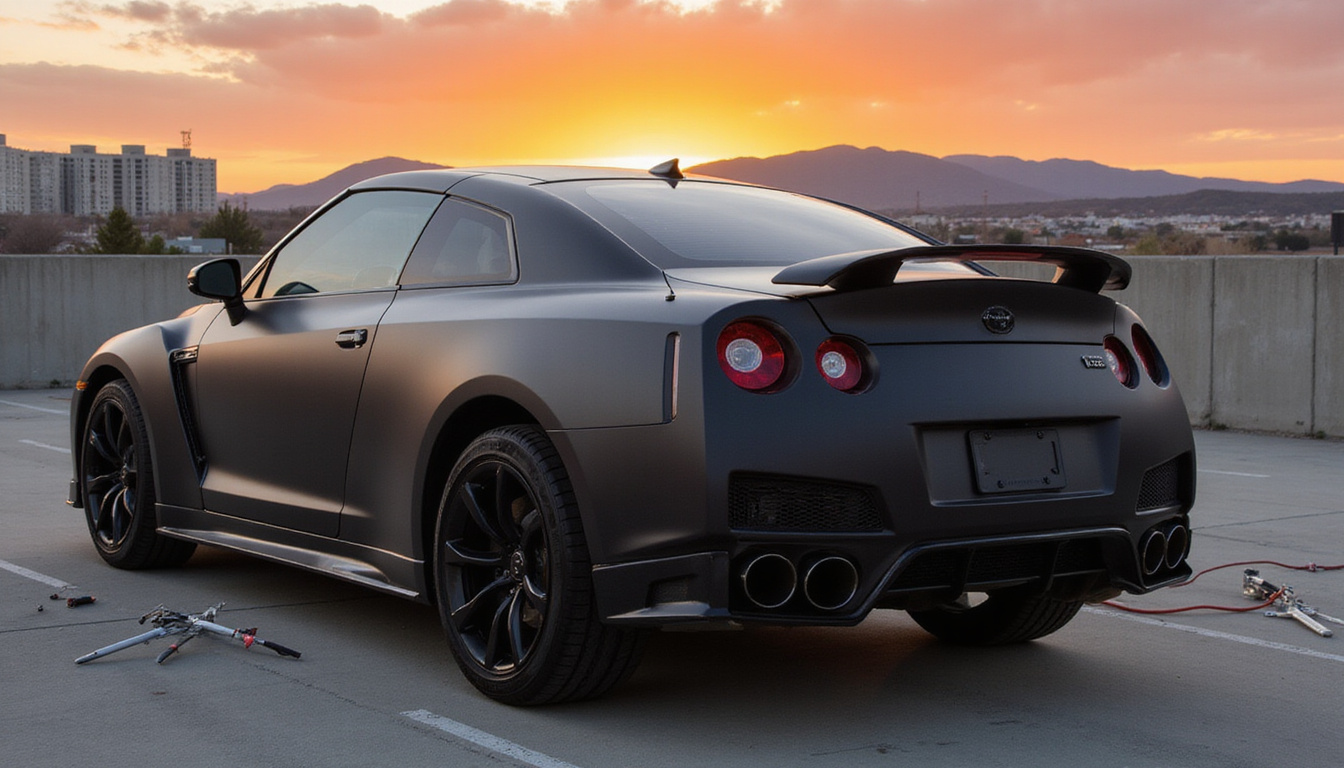
Cover Wrap Hacks for Your Car: Affordable Customization
Car wraps used to be reserved for high-end custom shops and commercial vehicles, but prices have dropped and DIY products have exploded in variety. A cover wrap can dramatically change your car’s style, protect paint, and boost resale appeal.
5. Full Car Wrap vs. Partial Wrap
Full wraps change the entire exterior color or finish:
- Ideal if your paint is tired but structurally sound
- Far cheaper than a quality respray, especially for complex colors
- Available in matte, satin, gloss, metallic, color-shift, and textured finishes
Partial wraps focus on specific areas:
- Roof, hood, and trunk
- Mirrors, door handles, and window trim
- Lower side panels (to protect from stone chips and road debris)
If your budget is tight, start with a partial cover wrap in a contrasting color for a unique, sportier look.
6. Interior Car Wraps: Dashboards and Trims
You can also wrap interior surfaces to modernize your car’s cabin.
Common interior wrap targets:
- Center console and dashboard trim
- Door panels and armrests (hard plastic areas)
- Steering wheel trim and gear shifter surrounds
Popular finishes:
- Brushed metal
- Carbon fiber look
- Piano black or satin black
- Soft-touch matte colors
Use automotive-grade vinyl that can handle temperature swings and sun exposure.
7. Protective Paint Wraps (PPF & Clear Vinyl)
Not all wraps are about aesthetics. Transparent paint protection films (PPF) and clear vinyl wraps are designed to shield your car from:
- Rock chips and road debris
- Bug splatter and bird droppings
- Light scratches and swirl marks
You can wrap:
- High-impact zones only (front bumper, hood, fenders, mirrors)
- Door cups and edges
- The full vehicle for maximum protection
While high-end PPF is best installed by professionals, simpler clear cover wrap films can be applied DIY with patience and a clean, dust-free workspace.
Essential Tools and Techniques for DIY Cover Wraps
The difference between a cheap-looking wrap and a nearly factory finish is often in the preparation and tools. Whether you’re wrapping a kitchen cabinet or a car hood, the basics are similar.
Basic Tools You’ll Need
- Cleaning supplies: mild detergent, isopropyl alcohol, lint-free cloths
- Measuring tools: tape measure, ruler
- Cutting tools: sharp utility knife or precision craft knife, spare blades
- Application tools: felt-edge squeegee, plastic scraper
- Heat source: hairdryer or heat gun (low setting for most vinyl)
- Optional: masking tape, magnets (for car wraps), cutting tape for straight edges
Key Steps for a Clean Cover Wrap Install
-
Deep Clean the Surface
Remove dust, grease, and residues completely. Any imperfections will show through most wraps. -
Measure and Cut Generously
Cut your cover wrap piece 1–2 inches larger than the target area on all sides. This gives you room to stretch and trim. -
Position and Tack One Edge
Use masking tape to hold alignment, then peel the backing gradually. Tack down one side or edge first. -
Apply with Even Pressure
Work from the center outward with a squeegee, pressing out air bubbles and smoothing the vinyl. -
Use Heat Sparingly
Gentle heat helps the wrap conform around curves and edges. Overheating can distort or weaken the material. -
Trim Carefully
Use a sharp blade and light pressure to avoid cutting the surface beneath. Wrap edges around the back when possible for a cleaner look. -
Post-Heat and Press Edges
For automotive or high-stress areas, a final gentle heat pass and firm pressure on edges help long-term adhesion.
Common Mistakes to Avoid with Cover Wraps
Even experienced DIYers can trip over the same issues. Avoid these pitfalls:
- Skipping surface prep: Dust or grease will cause bubbles and lifting
- Using the wrong product: Furniture film on a hot car hood will likely fail
- Rushing the job: Wrapping is more about patience than strength
- Overstretching vinyl: Can cause color lightening and early failure
- Ignoring temperature: Extremely cold or hot environments make installation hard and can affect adhesion
When in doubt, practice on a small, hidden area first before tackling a large, visible surface.
Cost Comparison: Wrap vs. Replace vs. Paint
Costs vary widely, but here’s a general sense of how a cover wrap stacks up against other options:
-
Kitchen cabinets
- New cabinets: $$$$
- Professional repaint: $$$
- Adhesive vinyl wrap: $–$$
-
Countertops
- New stone/solid surface: $$$$
- Refinish/epoxy: $$–$$$
- Countertop adhesive film: $
-
Car exterior
- Quality respray: $$$$
- Professional full wrap: $$$
- DIY partial wrap (hood/roof/mirrors): $–$$
In many cases, wraps give you 1–5+ years of improved aesthetics at a fraction of the cost of permanent changes.
FAQ: Cover Wraps for Home and Car
Q1: How long does a cover wrap last on a car?
High-quality automotive vinyl cover wraps professionally installed can last 3–7 years depending on climate, sun exposure, and care. DIY wraps may have a slightly shorter lifespan if installed in less-than-ideal conditions.
Q2: Can I use a vinyl cover wrap on kitchen counters and backsplashes?
Yes, as long as you choose a product rated for heat, moisture, and frequent cleaning. Avoid placing hot pots directly on the wrap and use cutting boards to prevent damage.
Q3: Is a cover wrap easy to remove on walls, furniture, and cars?
Most modern wraps and peel-and-stick films are designed to be removable without major damage to the surface when taken off correctly (slow, steady pulling, often with mild heat). However, very old paint, poor-quality finishes, or extremely cheap films may leave residue or cause minor damage—always test a small area first.
Ready to Transform Your Space with a Cover Wrap?
You don’t need a massive budget—or a full renovation—to fall back in love with your home or car. A thoughtfully chosen cover wrap can refresh tired cabinets, modernize your car’s interior, protect paint, or turn a bland wall into a feature piece, all in a weekend and often for less than the cost of a single professional service call.
If you’re ready to start, pick one small project—like a side table, a fridge door, or your car’s interior trim—and try a quality wrap material. Once you see how easily you can create a clean, custom look, you can move on to bigger transformations with confidence. Start planning your first wrap project today and turn “someday” upgrades into affordable, tangible results right now.