
Paper Stock Choices That Transform Printed Materials Into Premium Results
Choosing the right paper stock can be the difference between a forgettable brochure and a piece that feels truly premium in your customer’s hands. Design, copy, and color matter—but if the paper isn’t right, your printed materials will never look or feel top-tier. Whether you’re producing business cards, packaging, catalogs, or invitations, understanding paper stock is the key to elevating your brand.
Below, we’ll break down how paper stock works, which options to consider for different projects, and how to choose combinations that make everything you print look—and feel—premium.
What Is Paper Stock, Really?
In printing, paper stock refers to the type and characteristics of the paper you choose for your project. These characteristics include:
- Weight (thickness and stiffness)
- Finish (coated or uncoated, matte or gloss)
- Color (bright white, natural, tinted)
- Texture (smooth, linen, felt, laid, etc.)
- Composition (virgin fiber, recycled, specialty fibers)
Together, these elements determine how your printed materials will:
- Look (color vibrancy, sharpness)
- Feel (luxury, substance, or economy)
- Perform (durability, writability, resistance to scuffing)
Premium results are rarely about just one factor; it’s the combination of paper stock properties that creates a high-end impression.
Why Paper Stock Matters More Than You Think
Many people default to whatever their printer suggests or whatever seems cheapest. That’s a mistake if you care about brand perception.
The right paper stock can:
- Make colors pop and images look crisp
- Convey a sense of luxury, sustainability, or innovation
- Increase perceived value of your products and services
- Improve durability and keep pieces looking good longer
- Make writing, note-taking, or signing easier where needed
Conversely, the wrong paper stock can:
- Make your design look dull or washed out
- Feel flimsy or cheap in the hand
- Yellow, curl, or scuff prematurely
- Clash with your brand’s positioning (e.g., “premium” brand on ultra-thin, glossy paper that feels budget)
If you’re investing time and money in print, aligning your paper stock with your brand and purpose is essential.
Understanding Paper Weight: The Foundation of Premium Feel
Paper weight is usually described in GSM (grams per square meter) or, in the U.S., in pounds (lb) based on different paper types (text, cover, etc.). GSM is easier to compare.
As a practical guide:
- 70–100 gsm – Standard office and letterhead stocks
- 100–150 gsm – Light flyers, brochures, inside pages of catalogs
- 170–250 gsm – High-quality brochures, posters, premium flyers
- 250–350 gsm – Business cards, postcards, covers
- 350+ gsm – Luxury business cards, invitations, rigid packaging inserts
For premium results, it’s often better to:
- Choose a slightly heavier paper stock than the minimum required
- Match the weight to the piece’s purpose (e.g., sturdy for a business card, lighter for a multi-page booklet to prevent bulk)
Thicker paper stock immediately signals quality when someone picks it up.
Coated vs. Uncoated Paper Stock: How Finish Affects Quality
One of the biggest decisions is whether to use coated or uncoated paper.
Coated Paper Stock
Coated paper has a smooth surface created by applying a coating layer. Main varieties:
- Gloss – Shiny, high contrast, very vibrant colors
- Silk/Satin – Subtle sheen, softer reflection, still vibrant
- Matte – Low sheen, smooth, less glare
Best for:
- Photography-heavy brochures and catalogs
- Posters and flyers with high-impact visuals
- Product packaging that needs rich, vibrant color
Pros:
- Sharper image reproduction
- Rich, saturated colors
- More resistant to dirt and handling
Cons:
- Harder to write on (especially gloss)
- Can appear less “natural” or tactile
- Glare can be an issue under strong lights (especially gloss)
Uncoated Paper Stock
Uncoated stock has no coating layer, so it’s more porous and tactile.
Best for:
- Stationery and letterhead
- Notebooks, journals, and forms
- Premium, minimalist brochures or reports
- Invitations with a refined, natural feel
Pros:
- Easy to write on
- Warmer, more natural look
- Often feels more “craft” or “boutique”
Cons:
- Colors are softer and less saturated
- Images can appear less sharp
- More susceptible to fingerprints, smudges, and moisture
For a premium look, many brands now favor high-quality uncoated paper stock for text-heavy materials and a silk or matte coated stock for image-driven pieces.
Matching Paper Stock to Common Printed Materials
Choosing paper stock becomes much easier if you start from the end use.
Business Cards
Business cards must feel substantial and intentional.
- Recommended weight: 300–400+ gsm
- Finish:
- Matte or silk coated for a modern, polished feel
- Uncoated or lightly textured for a boutique, tactile impression
- Tips:
- Consider duplexing (bonding two sheets) for extra thickness
- Choose uncoated stock if you often write notes on cards
Brochures and Flyers
Balance premium feel with practicality and mailing costs.
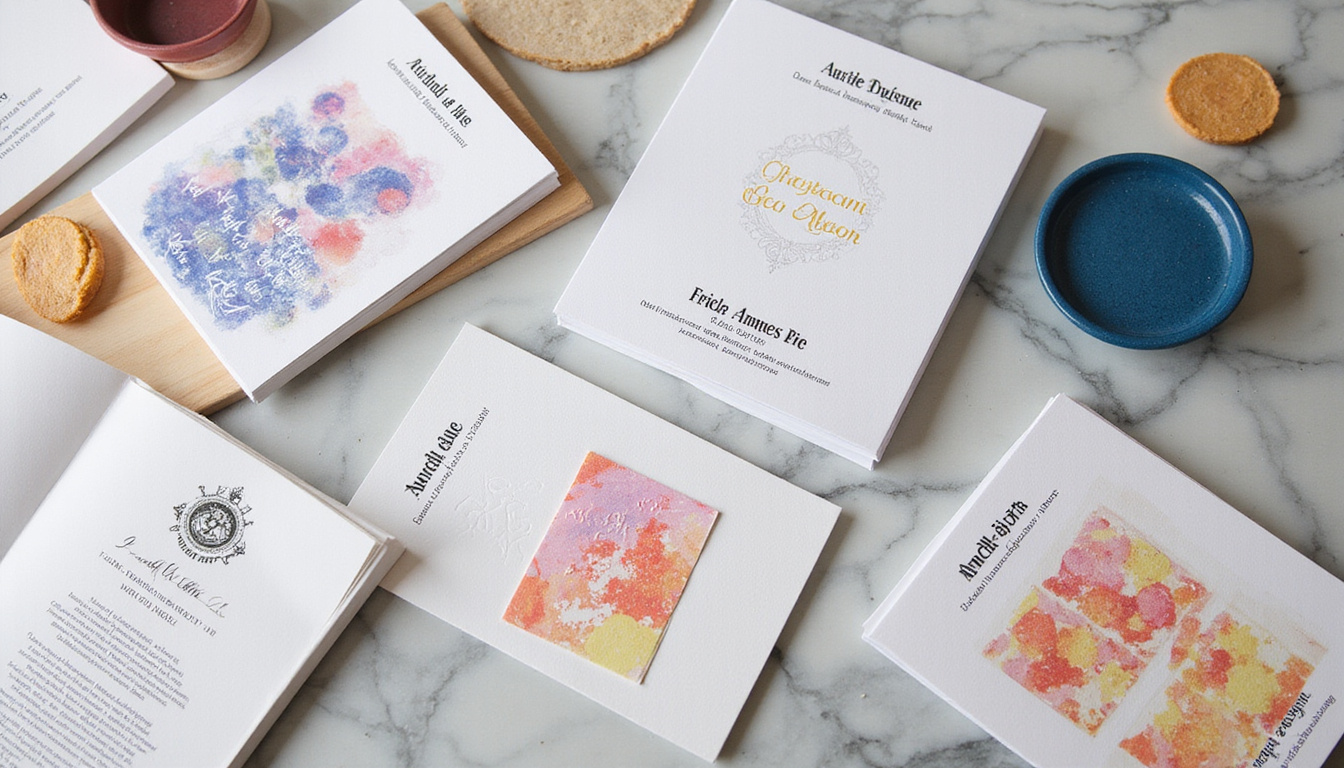
- Recommended weight: 150–200 gsm for interior-heavy brochures; 200–250 gsm for single flyers
- Finish:
- Silk or gloss coated for image-led marketing
- Matte or uncoated for a sophisticated, editorial feel
- Tips:
- For luxury brands, matte or silk can feel more refined than high gloss
- If you expect people to write on them, avoid heavy gloss
Catalogs and Magazines
These need to be comfortable to hold and flip through.
- Recommended weight:
- Covers: 200–300 gsm
- Inside pages: 90–150 gsm
- Finish:
- Silk or matte coated for a premium magazine look
- Uncoated for an artisan or eco-conscious feel
- Tips:
- A heavier cover stock instantly upgrades perceived value
- Don’t go too heavy on inner pages or binding becomes bulky
Stationery and Letterhead
Stationery speaks quietly but powerfully about your brand.
- Recommended weight: 90–120 gsm uncoated
- Finish: Smooth or subtly textured (e.g., wove, laid, linen)
- Tips:
- Ensure compatibility with your office printers
- Use high-opacity paper stock to prevent show-through of text
Invitations and Event Materials
First impressions matter most here.
- Recommended weight: 300–400 gsm
- Finish:
- Textured uncoated (felt, cotton) for weddings and formal events
- Smooth matte or silk coated for modern, minimalist designs
- Tips:
- Consider specialty stocks like cotton or thick, colored boards
- Pair with matching envelopes for a cohesive premium feel
Texture and Specialty Paper Stock: Tactile Luxury
Texture is often what truly transforms a piece from “nice” to “wow.”
Common textured paper stock options include:
- Linen – Subtle crosshatch, feels formal and refined
- Laid – Fine parallel lines, reminiscent of handmade paper
- Felt – Soft, almost fabric-like surface
- Cotton – Soft, plush, extremely premium; great for letterpress
- Kraft – Brown, recycled look; ideal for rustic, eco, or craft brands
Texture:
- Adds tactile interest even to minimal designs
- Communicates quality before a single word is read
- Can complement specialty printing techniques (foil, emboss, letterpress)
Be sure to test your design on the specific textured paper stock—fine text or detailed graphics may reproduce differently compared to smooth surfaces.
Color, Brightness, and Opacity: Subtle Shifts, Big Impact
Three often-overlooked qualities of paper stock significantly affect final results:
1. Color and Shade
- Bright white – Maximum color contrast and vibrancy; great for modern, tech, or corporate brands
- Natural/cream – Softer, more traditional; ideal for books, invitations, and heritage brands
- Tinted/colored – Adds personality; best for simple designs or when ink coverage is lower
2. Brightness
Higher brightness means paper reflects more light, making images appear crisper and colors more vivid. For premium marketing materials, a high-brightness white paper stock is often preferred (source: Printing Industries of America).
3. Opacity
Higher opacity reduces show-through from the other side of the sheet.
- Important for: books, reports, and double-sided printing
- Choose higher opacity paper stock for text-heavy documents and dark inks
Sustainability and Eco-Friendly Paper Stock
Premium doesn’t have to mean wasteful. Many clients now expect sustainable choices.
Look for:
- FSC®-certified paper stock – Ensures responsible forest management
- Recycled content – 30–100% post-consumer waste, depending on your goals
- Chlorine-free or low-chlorine bleaching – Reduces environmental impact
- Alternative fibers – Bamboo, cotton, or agricultural residues for specialty pieces
Modern eco-friendly paper stock can still look and feel luxurious; in some markets, it can enhance your brand by signaling responsibility and care.
A Simple Framework for Choosing the Right Paper Stock
Use this step-by-step checklist to narrow your options effectively:
-
Define the purpose and audience
- Is this to impress VIP clients, mass-mail leads, or provide functional documentation?
-
Choose the overall feel
- Sleek and modern, warm and natural, rustic and eco, or ultra-luxury?
-
Select coated vs. uncoated
- Image-heavy and vibrant? Consider coated.
- Text-focused, writable, or tactile? Consider uncoated.
-
Pick an appropriate weight
- Increase weight slightly for premium perception, but don’t compromise usability or mailing cost.
-
Decide on texture and color
- Smooth for sharp detail, textured for luxury.
- Bright white for vibrancy, natural for warmth.
-
Confirm sustainability preferences
- Ask about FSC certification, recycled content, or specific environmental standards.
-
Request printed samples and proofs
- Always review real samples of your chosen paper stock with your design before committing.
FAQs About Paper Stock and Premium Printing
Q1: What paper stock is best for high-end business cards?
For high-end business cards, choose a 350–400 gsm or heavier uncoated or matte/silk coated paper stock. Consider textured or cotton stocks for extra luxury, and don’t hesitate to use duplexed boards for a thick, substantial feel.
Q2: Which paper stock works best for brochures that need vibrant photos?
Use a silk or gloss coated paper stock around 150–200 gsm. Gloss delivers maximum vibrancy and contrast, while silk provides a more sophisticated low-sheen finish with still-rich color reproduction.
Q3: How do I choose an eco-friendly paper stock without losing quality?
Look for FSC-certified, recycled paper stock with at least 30% post-consumer content and request printed samples. Many modern recycled stocks are bright, smooth, and durable enough to match the quality of virgin papers while enhancing your brand’s sustainability story.
Choosing the right paper stock is one of the most effective, underused ways to make your print truly premium. If you’re planning new brochures, packaging, invitations, or business cards, now is the ideal time to revisit your paper choices.
Consult with your printer, ask for a range of paper stock samples, and test your designs on two or three options. A thoughtful upgrade in weight, finish, or texture can instantly elevate perception—and help your printed materials stand out in a digital-first world.