
In a crowded marketplace where products compete for attention in seconds, spot UV has become one of the most powerful and affordable ways to give packaging a premium edge. This simple print enhancement can make colors pop, logos shine, and key details stand out—often leading to better shelf impact and higher sales. Whether you’re a brand owner, marketer, or packaging designer, understanding how spot UV works and where to use it can dramatically improve the perceived value of your product.
What Is spot UV?
Spot UV (also called spot UV coating or spot varnish) is a clear, high-gloss (or matte) coating applied to specific areas of printed materials. Unlike a full UV coating that covers the entire surface, spot UV is used selectively—only on chosen elements such as:
- Logos
- Product names
- Patterns or imagery
- Taglines or key messages
The “UV” refers to ultraviolet light curing. Once the coating is applied, it’s exposed to UV light, which hardens the varnish almost instantly. The result is a tactile, glossy (or textured) highlight that contrasts beautifully with a matte or uncoated background.
Why spot UV Drives Sales
Spot UV isn’t just about looks; it can have a measurable impact on how shoppers perceive—and purchase—your product.
1. Instant Shelf Impact
Retail shelves are noisy environments. Packaging that catches light differently draws the eye faster. Spot UV:
- Creates reflections and sheen that grab attention
- Emphasizes important visual elements like brand marks
- Makes colors appear deeper and more vibrant
Even small accents of gloss over a matte box can be enough to make customers pick up your product instead of a competitor’s.
2. Perceived Quality and Premium Value
Consumers consistently associate tactile, well-crafted packaging with higher product quality. Studies in consumer psychology show that enhanced packaging can increase perceived value and purchase intent (source: Paper & Packaging Board). Spot UV contributes by:
- Making packaging feel more “designed” and intentional
- Suggesting a higher price point and better quality
- Supporting a luxury or boutique brand positioning
When your packaging looks premium, customers are more likely to believe what’s inside is, too.
3. Better Storytelling and Hierarchy
Effective packaging tells a story at a glance. Spot UV is a subtle but powerful tool for guiding the customer’s eye:
- Highlight the product name first
- Guide the eye to a key benefit or tagline
- Accentuate an image or symbol that reinforces your brand
By using spot UV strategically, you can control which messages stand out and in what order they’re noticed.
How spot UV Works in the Print Process
Understanding the process helps you design more effectively and avoid production issues.
Step-by-Step Overview
-
Base Printing
Your artwork is printed using standard offset or digital printing on your chosen substrate (often coated paperboard or rigid box board). -
Mask or Plate Creation
A separate “spot UV layer” is generated from your artwork, defining exactly where the coating will go. In design files, this is usually a 100% black vector layer labeled “Spot UV.” -
Coating Application
The spot UV varnish is applied using a screen or specialized coating unit that aligns with the base print. -
UV Curing
The printed sheet passes under UV lamps. The coating instantly hardens, locking in the glossy or textured finish. -
Finishing
Sheets are trimmed, folded, and glued to form boxes, sleeves, or other packaging formats.
Close communication with your printer is essential—they’ll advise on minimum line thickness, registration tolerances, and compatible substrates.
Design Strategies to Make spot UV Pop
Spot UV is most effective when used with intention. These strategies maximize impact while keeping costs under control.
Use Contrast to Your Advantage
Spot UV works best over:
- Matte or soft-touch laminates – Glossy spot UV over a matte background creates a luxurious, high-contrast look.
- Dark or saturated colors – The gloss is more visible and dramatic on deeper hues.
- Flat illustrations – Adding spot UV introduces depth and dimension.
If your entire package is already very glossy, the effect of spot UV will be much less noticeable.
Highlight Key Brand Elements
Think about the elements that matter most to your brand and sales message. Common high-impact spots include:
- Primary logo or brand mark
- Product name or variant (flavor, color, size)
- Signature pattern or brand texture
- Premium cues like gold “foil” details or seals
Apply spot UV where you want the shopper’s eye to land first and linger longest.
Add Subtle, Hidden Details
Spot UV doesn’t always have to scream for attention; it can whisper, too. Consider:
- Tone-on-tone patterns that appear only at certain angles
- Hidden icons or illustrations customers discover when they pick up the box
- Background textures (like leather, fabric, or waves) that you feel more than see
These details enhance the unboxing experience and strengthen brand loyalty.
Types of spot UV Effects to Consider
Not all spot UV finishes are the same. Knowing your options can open up creative possibilities.
Gloss Spot UV
The most common type:
- High shine, mirror-like finish
- Ideal for logos, images, and bold text
- Strongest contrast over matte or soft-touch surfaces
Matte Spot UV
Less common than gloss, but very effective when paired with glossy lamination:
- A flat, non-reflective coating in selected areas
- Creates a “ghosted” effect on a shiny background
- Works well for subtle branding and patterns
Raised spot UV (3D or High-Build UV)
A thicker application of UV coating that you can feel:
- Creates a tactile, embossed-like effect
- Excellent for premium or gift-worthy packaging
- Can simulate embossing at a lower cost and complexity
Talk to your print provider about the maximum height achievable and any limitations on fine detail.
Packaging Categories That Benefit Most from spot UV
While almost any boxed product can benefit, some categories see especially strong gains from spot UV finishes.
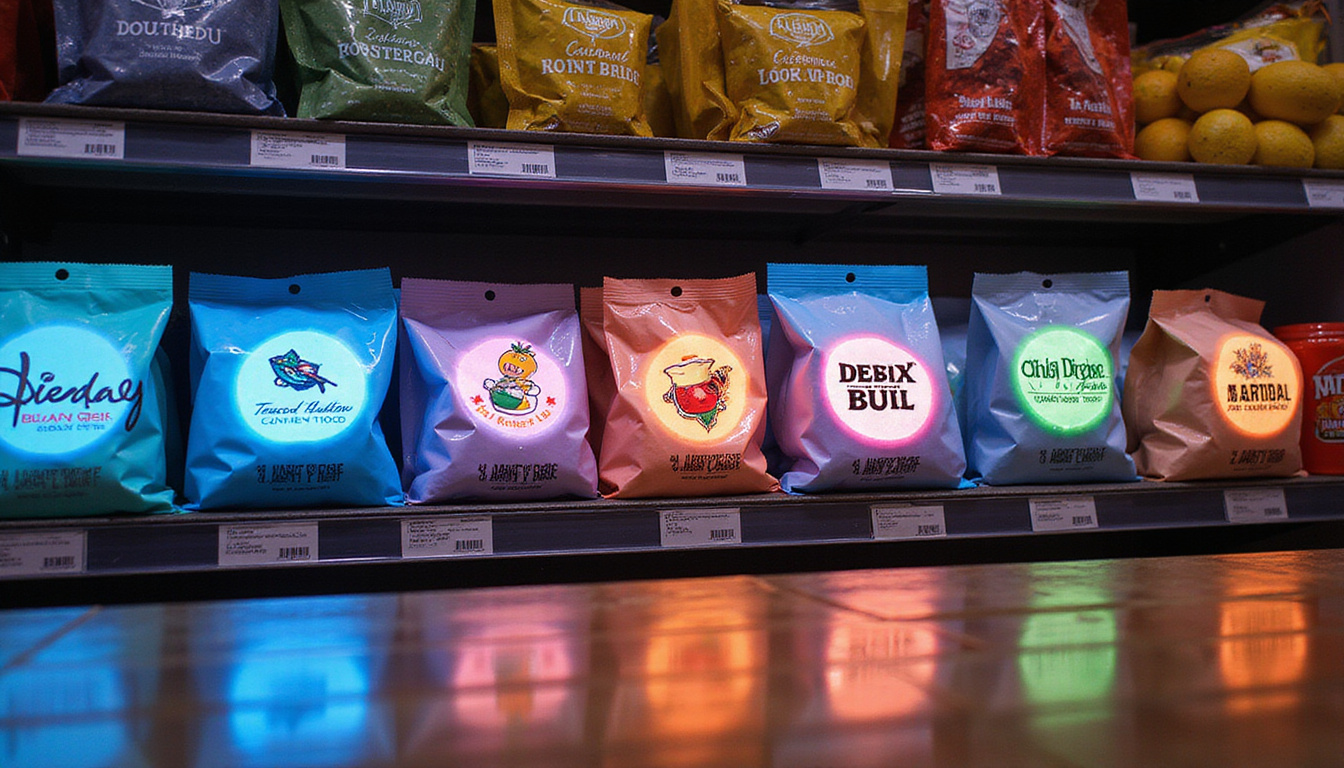
Beauty and Personal Care
Cosmetics, skincare, and fragrance packaging are all about perceived luxury:
- Glossy logos on soft-touch cartons
- Raised spot UV patterns mimicking textures (marble, fabric)
- Highlighted ingredient callouts or benefits
In an aisle full of competing brands, these details quickly communicate “premium.”
Food, Beverage, and Confectionery
Spot UV can:
- Emphasize mouth-watering product images
- Make flavor names pop off the shelf
- Add shine to metallic or rich color backgrounds
Think of craft chocolate bars, specialty teas, or premium spirits packaging that uses subtle gloss accents for a high-end feel.
Tech, Gadgets, and Accessories
Electronics and accessories benefit from a sleek, modern look:
- Glossy circuit-inspired patterns on matte black boxes
- Highlighted product silhouettes or icons
- Raised spot UV on logos for a “high-tech” vibe
This aligns packaging with the perception of innovation and quality.
Practical Considerations: Cost, File Setup, and Limitations
Cost vs. Value
Spot UV adds cost, but usually less than complex foiling or full embossing. You’re paying for:
- An additional production pass
- Special coating material
- Setup time for the spot UV plate or screen
To maximize ROI:
- Use spot UV only where it truly matters
- Combine it with other finishes (like matte lamination) for a more dramatic effect without multiple specialty processes
- Test on smaller runs before rolling out across all SKUs
Setting Up Design Files Correctly
Common guidelines (always confirm with your printer):
- Create a dedicated Spot UV layer
- Use 100% vector shapes in solid black (C0 M0 Y0 K100)
- Name the swatch “Spot UV” and set it as a spot color
- Avoid very fine details; keep line thickness above the printer’s recommended minimum
- Allow for slight misregistration by not placing spot UV exactly on very thin type edges
A quick preflight review with your printing partner before final approval can save costly reprints.
Substrate and Compatibility
Spot UV works best on:
- Coated paperboard
- Laminated surfaces (especially matte or soft-touch)
- Rigid boxes with smooth wraps
It’s less effective or riskier on:
- Very textured papers (coating can pool or appear uneven)
- Uncoated stocks that absorb too much varnish
If you’re unsure, ask your printer for samples or run a short test.
Environmental and Sustainability Considerations
Sustainability is a major concern for modern brands. While spot UV uses a chemical coating, UV-curable inks and varnishes are designed to cure instantly, reducing VOC emissions compared to some traditional coatings (source: PRINTING United Alliance).
To improve the environmental profile of your packaging:
- Use spot UV sparingly and purposefully
- Pair with recyclable or FSC-certified boards
- Avoid combinations that make recycling difficult (such as heavy plastic laminates plus thick coatings)
Many recycling streams can handle printed coated board as long as plastic layers are minimal or absent.
Quick Checklist for Planning a spot UV Packaging Project
Use this as a fast reference when briefing your designer or printer:
- What is the main goal—premium look, shelf impact, or tactile experience?
- Which 2–4 elements benefit most from spot UV (logo, name, pattern, image)?
- Is the base finish matte or soft-touch to maximize contrast?
- Do you want gloss, matte, or raised spot UV?
- Are your artwork files set up with a clean, separate Spot UV layer?
- Have you requested physical or digital mockups from your printer?
- Does the design align with your brand story and target audience?
FAQ: Common Questions About spot UV on Packaging
Q1: What is spot UV coating in printing and when should I use it?
Spot UV coating is a clear, UV-cured varnish applied only to specific areas of your printed piece. Use it when you want to draw attention to logos, product names, or key visuals and give your packaging a more premium, tactile finish.
Q2: Is spot UV printing expensive compared to other finishes?
Spot UV printing is generally more affordable than processes like hot foil stamping and deep embossing, while still delivering a high-end look. The cost impact depends on run size, coverage area, and whether you’re using raised spot UV, but the sales lift from stronger shelf presence often justifies the investment.
Q3: Can spot UV be used on eco-friendly packaging materials?
Yes. Spot UV can be applied to many recyclable cardboard and paperboard substrates. To keep your packaging eco-friendly, use minimal coating, choose responsibly sourced boards, and consult your printer about combinations that maintain recyclability.
Transform Your Packaging with spot UV Today
Your packaging is often your first—and sometimes only—chance to win a customer. Spot UV is one of the most effective ways to elevate that first impression without overhauling your entire design or blowing up your budget. By selectively highlighting the elements that define your brand and your product’s value, you can stop shoppers in their tracks, communicate quality in an instant, and ultimately drive more sales.
If you’re ready to see how spot UV can transform your boxes, sleeves, or labels, start by revisiting your existing packaging and identifying the key features you want to spotlight. Then talk with a trusted print partner about material options, sample runs, and pricing. A few well-placed gloss or raised accents could be the difference between blending in—and standing out.