
Table Tents That Skyrocket Restaurant Sales and Customer Engagement
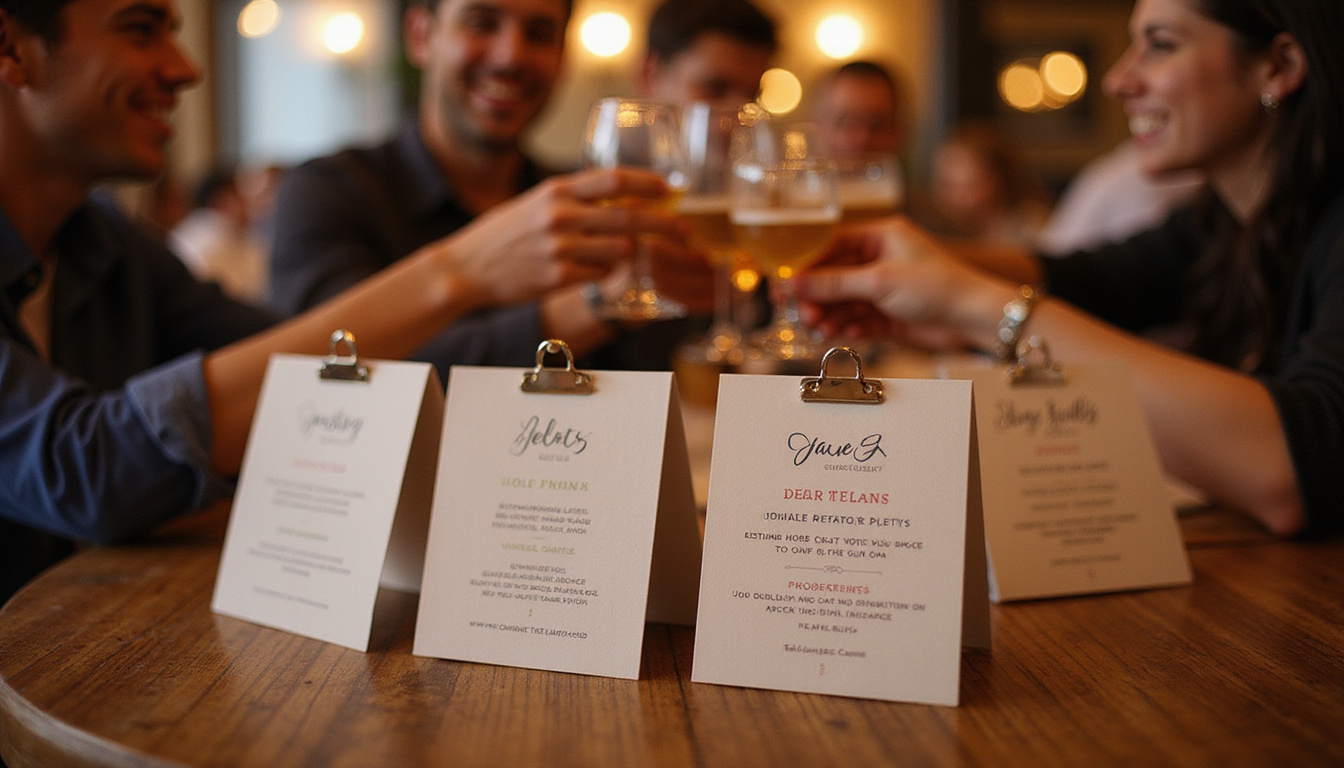
In a world obsessed with digital marketing, it’s easy to overlook the quiet power of something simple and physical: table tents. These small, three-sided signs sitting on your tables can be some of the highest-ROI marketing real estate in your restaurant. When designed and used strategically, table tents can increase check averages, promote high-margin items, and keep guests more engaged throughout their visit.
Below, you’ll learn how to transform ordinary table tents into a consistent sales and engagement engine for your restaurant.
Why Table Tents Still Work in a Digital-First Era
While social media and online ads work hard to get people in the door, table tents work on the guests you’ve already paid to acquire. That makes them extremely efficient.
Here’s why table tents remain so effective:
- 100% viewability: Your guests are seated for 30–90 minutes, and the message is right in front of them.
- Perfect timing: They appear exactly when people are making ordering decisions.
- Zero ad fatigue: Unlike digital ads, table tents don’t get blocked or skipped.
- Low cost, high ROI: A well-designed tent can drive incremental sales for months.
According to the National Restaurant Association, diners are highly responsive to on-premise marketing and menu suggestions when presented at the table (source). Table tents are one of the simplest ways to tap into this behavior.
Strategic Goals for Restaurant Table Tents
Before designing anything, decide what your table tents should accomplish. The most profitable restaurants use them with clear, focused goals, such as:
-
Upselling high-margin items
- Premium cocktails, craft beers, and wine by the glass
- Appetizers and sharable plates
- Desserts and coffee add-ons
-
Promoting limited-time offers
- Seasonal menus (summer salads, holiday specials)
- Chef’s specials and tasting menus
- Happy hour or late-night deals
-
Driving repeat visits and loyalty
- Loyalty programs or rewards apps
- “Come back soon” promos like bounce-back coupons
- Cross-promotion of other locations or sister brands
-
Boosting non-food revenue and engagement
- Gift cards and catering services
- Events and live music nights
- Social media follows, reviews, and email signups
Choosing one primary goal per table tent is essential. Overloaded signs confuse guests and reduce response rates.
Elements of a High-Converting Table Tent Design
Great table tents don’t just look nice—they sell. Focus on these key elements when designing yours.
1. One Clear Offer per Side
Each visible panel should feature:
- One main message
- One hero item or category
- One primary action (“Ask your server,” “Order now,” “Scan to join”)
Avoid clutter. The more options you show, the less likely guests are to act.
2. Mouth-Watering Photography
For food and beverage, images often do the heavy lifting. Invest in:
- Professional photography with good lighting
- Close-up shots that highlight texture and freshness
- Realistic portions, not overly staged or fake-looking
Use one large, dominant image rather than many tiny pictures.
3. Profit-Forward Copywriting
Use short, benefit-driven copy that nudges guests toward higher-margin choices:
- “Upgrade to a signature margarita for just $2 more”
- “Pair your steak with our sommelier-selected cabernet”
- “Share our loaded fries starter—perfect for two”
Highlight value, sensory experience, or exclusivity rather than listing features.
4. Strong, Simple Calls-To-Action
Tell guests exactly what to do:
- “Ask your server about today’s dessert flight”
- “Scan to join our rewards and unlock your first perk”
- “Try our featured cocktail tonight only”
Place the call-to-action near the bottom, in bold or contrasting type, so it stands out.
5. Readable, Brand-Consistent Design
- Large fonts, high contrast, and good spacing
- Colors and typography consistent with your menus and signage
- Minimal text—aim for quick comprehension in 3–5 seconds
If a diner has to “figure it out,” the table tent is too complex.
Content Ideas That Boost Sales and Engagement
To keep table tents effective over time, rotate focused campaigns. Here are content ideas that work especially well:
Feature High-Margin Stars
Identify menu items with the best profit margins and promote them prominently:
- Signature cocktails with house-infused spirits
- Premium coffee drinks and dessert pairings
- Add-ons (extra toppings, upgraded sides, protein add-ons)
Even a small increase in orders of these items can have a big impact on profitability.
Limited-Time and Seasonal Offerings
Scarcity and seasonality drive action:
- “Available this weekend only: Smoked Brisket Sandwich”
- “Fall Feature: Pumpkin Spice Cheesecake”
- “Summer Spritz Series: Try all three while they last”
Rotate these every few weeks to keep regulars interested.
Bundles and Upsell Combos
Build table tents around curated combos that raise check averages:
- “Date Night: 2 entrées, 1 shared appetizer, 2 drinks for $X”
- “Game Day Platter: Perfect for 4–6 people”
- “Brunch Upgrade: Add bottomless mimosas with any entrée”
Bundles simplify decisions and feel like a deal, even at a profitable price point.
Experience and Event Promotion
Use table tents to turn one-time diners into community regulars:
- Trivia nights, live music, or themed dinners
- Wine pairing events or chef’s table experiences
- Seasonal events (Oktoberfest, Valentine’s menu, New Year’s brunch)
Include dates, clear value, and how to reserve or learn more.
Using Table Tents to Drive Digital Engagement
Table tents don’t have to be “offline only.” They’re powerful bridges to your digital ecosystem.
1. QR Codes That Actually Get Used
Instead of a generic QR code, make it specific:
- “Scan to join our rewards—get a free appetizer on your next visit”
- “Scan for tonight’s exclusive cocktail menu”
- “Scan and leave a 30-second review—get 10% off dessert now”
Ensure the landing page is mobile-friendly and quick to load.
2. Social Media Growth
Drive genuine, trackable engagement:
- “Post a pic with hashtag #YourRestaurantName and show your server for a free cookie”
- “Follow us on Instagram for secret menu items and surprise deals”
- “Tag us during brunch and we’ll feature our favorites”
Keep the reward small but immediate when possible.
3. Email and SMS List Building
Use table tents to grow your owned audiences:
- “Join our VIP list for birthday treats and exclusive offers”
- “Text ‘TACOS’ to 12345 to get a free taco on your next visit”
- “Sign up for our newsletter and be first to know about events”
A compelling, clearly stated benefit dramatically increases signups.
Placement, Quantity, and Rotation Strategy
How and where you use table tents affects their performance as much as what they say.
Optimal Placement
- One table tent per small table (2–4 guests)
- Two per larger table (6+ guests), angled for visibility
- At the bar, near service points, and waiting areas for extra exposure
Avoid blocking eye contact between guests or cluttering the table.
Rotation Frequency
- Core promos (loyalty program, gift cards): keep stable for 1–3 months
- Seasonal/limited-time offers: rotate every 2–6 weeks
- Events and one-off campaigns: display 1–3 weeks before the event
Retire outdated messages promptly—stale or inaccurate information erodes trust.
Testing and Measuring Impact
To know whether your table tents are actually “skyrocketing” performance:
- Track featured item sales before and after placement.
- Compare locations or sections with and without the tents.
- Measure CTA responses (QR scans, code redemptions, signups).
Use simple spreadsheets or your POS reporting to evaluate effectiveness over time.
Printing and Durability Considerations
Well-produced table tents reflect your brand and withstand daily restaurant life.
Material Choices
- Cardstock with lamination: Budget-friendly, short-term campaigns
- Plastic or acrylic holders + inserts: Long-lasting and easy to update
- Waterproof/scratch-resistant finishes: Important for bars and outdoor areas
Factor in cleaning, spills, and handling—durable materials reduce replacement costs.
Size and Shape
Common sizes:
- 4" x 6" or 5" x 7" for smaller tables
- Taller formats (e.g., 4" x 8") for bars and counters
Test a sample on your actual tables to ensure they’re visible but not intrusive.
Common Mistakes That Kill Table Tent Performance
Avoid these pitfalls that often make table tents invisible or ineffective:
- Too much text: Guests won’t read paragraphs during dinner.
- Outdated promos: “Expired” tents signal disorganization.
- No clear benefit: “We have a loyalty program” is weaker than “Earn free meals.”
- Weak visuals: Dark, blurry, or generic stock photos reduce appetite appeal.
- Mixed messages: Promoting five different things on one small panel confuses guests.
Audit your current table tents and remove anything that doesn’t support a clear, measurable goal.
Quick Checklist: High-Impact Table Tents
Use this checklist when planning your next batch:
- [ ] One primary goal per table tent
- [ ] One offer or message per panel
- [ ] High-quality, appetizing photography
- [ ] Short, benefit-driven copy
- [ ] Clear, bold call-to-action
- [ ] Mobile-optimized QR code destination (if used)
- [ ] Brand-consistent colors and fonts
- [ ] Printed on durable, restaurant-appropriate materials
- [ ] Rotation schedule and performance metrics defined
FAQ About Table Tents for Restaurants
Q1: What should I put on restaurant table tent cards to increase sales?
Focus each table tent on one main offer: a high-margin drink, appetizer, dessert, or limited-time special. Use a strong photo, a short benefit statement (why they’ll love it), and a simple call-to-action like “Ask your server to try it tonight.”
Q2: How often should I change my table tent promotions?
For best results, refresh your table tent marketing every 4–8 weeks. Seasonal specials, events, and limited-time menus can rotate more frequently, while evergreen promos like loyalty programs can stay for a few months before being redesigned.
Q3: Do table tents really work better than other in-house signage?
Table tents tend to outperform wall posters or door signs because they sit directly in the guest’s line of sight while they’re deciding what to order. Combined with suggestive selling from staff, table tent displays can significantly boost featured item sales and check averages.
Turn Your Tables into Silent Salespeople
Every table in your restaurant is an opportunity. Smartly designed table tents turn those surfaces into silent, always-on salespeople that work every shift, with no extra labor cost. By focusing on one clear goal per tent, using appetizing visuals, and connecting your in-house promotions to your digital channels, you can steadily increase sales and deepen customer engagement.
If you’re ready to see how much more each table can earn, start by designing one focused table tent for your highest-margin item and testing it for 30 days. From there, expand, refine, and watch your tables become one of the most profitable marketing tools in your entire restaurant.