
Letterpress printing has moved from dusty print shops into the spotlight of modern branding and design. In an age dominated by screens and flawless digital gradients, the tactile, debossed impression of letterpress printing offers something rare: a physical experience your audience can feel, not just see. If you’re looking to give your brand a distinctive, elevated presence, understanding how letterpress works—and how to use it strategically—can make a powerful difference.
What Is Letterpress Printing?
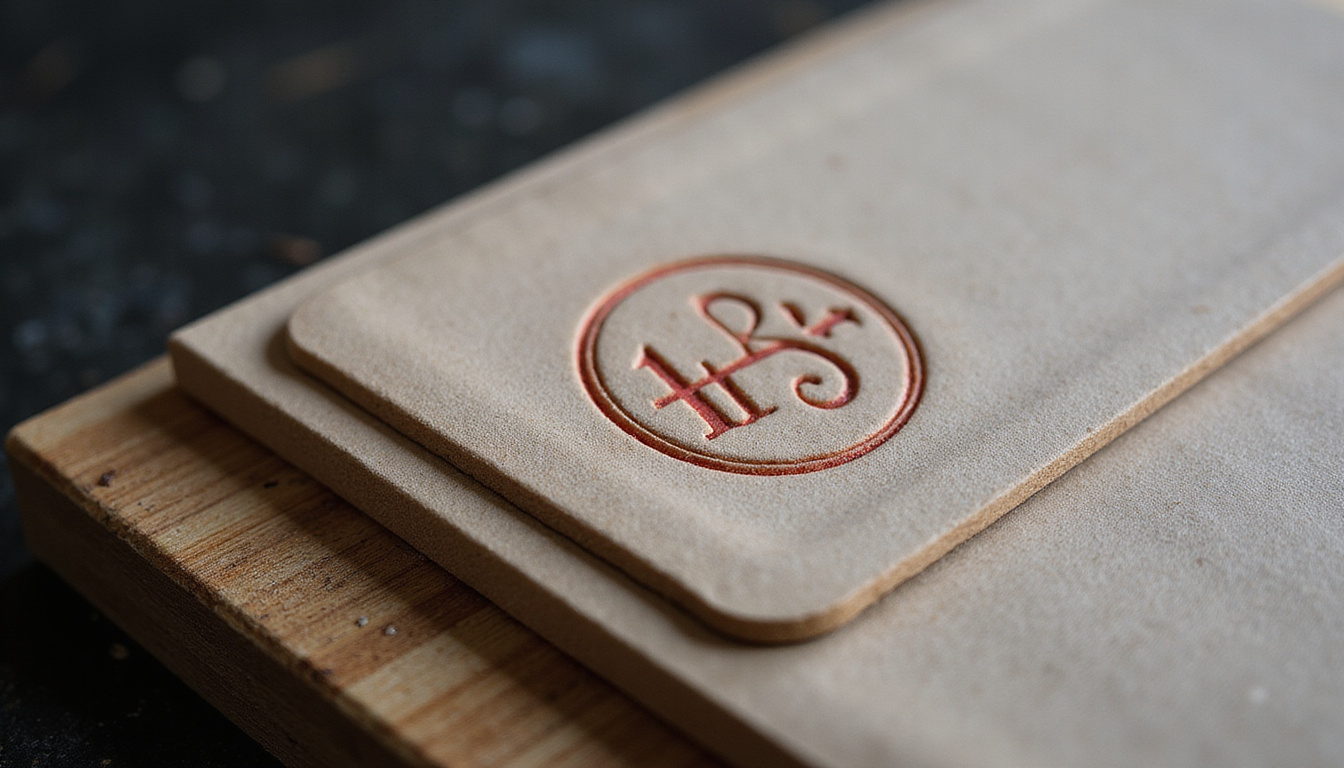
Letterpress printing is a relief printing technique in which inked, raised surfaces are pressed into paper, leaving a crisp impression you can see and touch. Historically, that raised surface was metal or wood type, set by hand. Today, most projects use custom polymer or metal plates created from digital artwork, but the essence is the same: pressure, paper, and precision.
Three core elements define modern letterpress printing:
- Impression – The tactile deboss (indentation) in the paper.
- Ink coverage – Typically one or two spot colors with rich, saturated tones.
- Paper choice – Thick, cotton or textured stock that showcases the impression.
Together, they create an understated luxury that’s hard to reproduce with conventional printing.
Why Letterpress Printing Still Matters in a Digital World
We interact with brands primarily through screens—websites, apps, social media. That makes physical touchpoints more special than ever. When someone receives a letterpress business card or invitation, they perceive it differently from a standard digital print.
Key reasons letterpress printing remains relevant:
- Tactile memory: Texture is memorable. People often keep a beautiful card or invitation just because it “feels too nice to throw away.”
- Perceived value: Letterpress implies care, craftsmanship, and attention to detail—traits people subconsciously associate with your brand.
- Visual minimalism: Letterpress invites strong, simple layouts that are easy to read and elegant at a glance.
- Differentiation: If everyone uses the cheapest online printer, the brand that invests in letterpress stands out dramatically.
For brands in luxury, hospitality, creative services, and high-end retail, letterpress can subtly reinforce premium positioning without saying a word.
How Letterpress Printing Works: From File to Finished Piece
Understanding the process helps you design better and communicate clearly with your printer.
1. Design & Prepress
You start with vector artwork (usually from Adobe Illustrator or InDesign). Because of the nature of letterpress:
- Clean lines, bold type, and solid shapes work best.
- Fine details, hairlines, and ultra-tiny text can fill in or disappear.
- Each color requires its own plate and separate print run.
Once your artwork is approved, the printer creates plates—usually photopolymer—based on your digital file.
2. Plate Making
A light-sensitive plate is exposed to a film or digital negative of your design. The exposed areas harden and become raised; the rest is washed away. That raised surface is what will receive the ink and press into the paper.
For multi-color jobs, you’ll have one plate per ink color. Registration (how each color lines up with the others) is handled manually on press.
3. Inking and Makeready
On the press:
- Ink is applied to rollers.
- The plate is mounted in the press.
- Paper is fed (by hand or via feeder, depending on the press).
- The printer adjusts pressure, ink density, and alignment iteratively (“makeready”) until impressions are perfect.
This setup time is why short runs can still be relatively expensive—even if you’re only printing 100 pieces.
4. Printing and Finishing
Sheets are printed one color at a time, one side at a time. After printing, jobs may go through:
- Trimming
- Edge painting or foiling
- Die-cutting (for custom shapes)
- Scoring (for folding)
Because of the heavy impression, letterpress pieces often feel more like objects than simple printed sheets.
Strategic Ways to Use Letterpress Printing in Your Brand
You don’t need to letterpress-print everything. Use it strategically for high-impact touchpoints where the extra cost and craft will be noticed.
Business Cards that Actually Get Kept
Letterpress business cards are often the first place brands invest. They:
- Signal seriousness to clients and partners.
- Create a conversation starter (“These feel amazing—where did you get them done?”).
- Encourage people to keep your card, not toss it.
Simple, bold layouts and thick stock (at least 500–600 gsm) work best.
Invitations, Announcements, and Stationery
For events or communications that matter—product launches, VIP events, weddings, annual galas—letterpress invitations set a tone of importance:
- Invitations: Combine letterpress with foil or blind deboss for a high-end feel.
- Notecards and letterhead: Perfect for thank-you notes, personalized outreach, or gifting.
Packaging and Labels
Thoughtful brands use letterpress for:
- Belly bands and hang tags
- Certificate cards tucked into packaging
- Limited-edition product labels
The tactile feel immediately elevates perceived product quality.
Brand Collateral and Special Pieces
Consider letterpress for:
- Membership cards for premium programs
- Limited-run art prints or certificates of authenticity
- Gift vouchers with a luxurious feel
Use it where you want the recipient to slow down and pay attention.
Design Tips for Effective Letterpress Printing
Designing for letterpress isn’t the same as designing for CMYK digital or offset. Optimizing your files can save time and produce better results.
Choose the Right Typeface and Layout
- Favor sans-serifs or sturdy serifs with enough weight.
- Avoid extremely thin strokes or ultra-light fonts.
- Keep body copy relatively large; very small text can close up.
- Embrace negative space; letterpress thrives on breathing room.
Simplify Your Color Palette
Each ink color means another plate and pass through the press, so:
- Limit yourself to one or two colors for cost-efficiency.
- Use spot colors (e.g., Pantone) for precise control.
- Consider blind deboss (no ink, just impression) as a design element.
Prepare Print-Ready Vector Files
- Use vector art for crisp lines.
- Outline all fonts.
- Set up separate layers or files for each color.
- Communicate clearly with your printer about overprints, knockouts, and registration.
Design with Paper in Mind
The paper you choose will affect impression depth, ink absorption, and overall feel:
- Thicker paper = deeper impressions and more luxury.
- Softer, cotton papers capture detail better than hard, shiny stock.
- Warm white and natural tones often complement the artisanal look.
Ask your printer for swatch books or sample packs before committing.
Choosing the Right Paper for Letterpress Printing
Paper can make or break your project. Letterpress generally works best with:
- 100% cotton or cotton-blend papers – Soft, pillowy, and strong.
- Heavier weights (300–600+ gsm) – Resist warping and showcase debossing.
- Uncoated, textured surfaces – Enhance the handfeel and aesthetic.
Some well-regarded letterpress papers include Crane’s Lettra and GF Smith’s Colorplan (source: Crane Stationery – History of Crane Papers). When in doubt, ask your printer which stocks they recommend for your type of project and budget.
Common Letterpress Printing Mistakes to Avoid
Even beautiful designs can fall flat if they don’t respect the medium. Watch out for:
- Too much detail: Intricate linework can fill in under pressure.
- Over-inking: Flooding the plate reduces sharpness.
- Misaligned expectations: Letterpress is not for full-color photos or gradients.
- Budget shocks: Short runs with many colors get expensive quickly.
Staying in close communication with your printer from the design stage onward will help you avoid costly revisions.
Cost Considerations: Is Letterpress Worth It?
Letterpress printing costs more than digital or basic offset due to:
- Plate creation
- Makeready time
- Slower production speed
- Thicker, premium papers
You can manage cost by:
- Reducing the number of colors.
- Printing on one side instead of two.
- Standardizing sizes to fit common sheet dimensions.
- Limiting letterpress to hero pieces rather than every item.
For many brands, the increased impact, memorability, and perceived value justify the premium.
How to Choose a Letterpress Printer
Not all printers specialize in letterpress. When evaluating partners:
- Review their portfolio: Look for projects similar to yours.
- Ask about equipment: Heidelberg Windmills, Vandercooks, and Chandler & Price presses are common.
- Request samples: Feel the weight, impression depth, and print quality.
- Discuss timelines: Letterpress projects often take longer than digital.
- Clarify proofing: You’ll often receive a digital proof; physical press proofs may cost extra.
The right printer will act as a guide, not just a vendor—advising on paper, ink, and file setup.
Step-by-Step: Planning Your First Letterpress Project
To streamline your first experience, follow this simple roadmap:
-
Define the goal
What are you trying to achieve—impress new clients, launch a product, upgrade your stationery? -
Set a realistic budget
Decide what you can invest and which elements matter most (paper, color count, finishing). -
Gather inspiration
Collect photos of letterpress pieces you admire to clarify your aesthetic. -
Work with a designer familiar with letterpress
Or, if you’re designing yourself, consult your printer early. -
Choose paper and inks up front
This influences design decisions and cost. -
Finalize artwork and send vector files
Include clear notes about colors, sides, and any special finishes. -
Approve proofs carefully
Double-check spelling, layout, and color choices before going to plate. -
Plan for storage and use
Keep your finished pieces flat, dry, and protected; they’re premium assets.
FAQ About Letterpress Printing
What is letterpress printing used for most often?
Letterpress printing is most commonly used for business cards, wedding invitations, stationery, limited-edition art prints, and premium packaging inserts or tags. Anywhere you want a tactile, elevated impression, letterpress is a strong option.
Is letterpress print more expensive than digital printing?
Yes, letterpress print generally costs more than digital due to plate-making, setup time, and slower production speeds. However, for key brand touchpoints—like business cards or invitations—the added perceived value can more than justify the investment.
Can letterpress printing handle full-color images or photos?
Traditional letterpress printing is best for solid spot colors, line art, and typography—not full-color photos. While some printers experiment with halftones, letterpress truly shines with bold, simple designs rather than complex, photographic imagery.
Elevate Your Brand with the Texture of Time
In a world where most brand experiences happen behind glass screens, letterpress printing offers something uniquely human: the feel of ink pressed into thick paper, the subtle shadows of a deboss, the sense that someone cared enough to craft this piece with intention. When used strategically, it doesn’t just look beautiful—it communicates your brand’s values of quality, detail, and authenticity without saying a word.
If you’re ready to move beyond generic print templates and invest in materials that people actually notice and keep, explore letterpress for your next project. Reach out to a specialized letterpress printer or design studio, share your vision and budget, and start planning a set of business cards, invitations, or packaging elements that will make your brand impossible to forget the moment it’s in someone’s hands.