
Point of Purchase Strategies That Boost Impulse Sales and Loyalty
The point of purchase is one of the most powerful — and most underused — levers in retail and eCommerce. It’s the moment when a shopper is ready to buy and most open to adding “just one more thing.” With smart design, messaging, and targeting, your point of purchase can drive impulse sales and strengthen long-term loyalty, not just short-term revenue.
Below, we’ll break down practical, proven point of purchase strategies you can implement in-store and online to increase basket size, improve customer experience, and keep shoppers coming back.
What Is the Point of Purchase (POP)?
The point of purchase is the place where the customer decides to buy and completes the transaction. Traditionally, that’s the checkout counter or cash wrap in a physical store. Online, it’s your cart page, checkout page, and even the product pages where shoppers are close to converting.
It’s useful to distinguish between:
- Point of Purchase (POP): Any location where buying decisions are made (end caps, display tables, product pages).
- Point of Sale (POS): The actual system or interface used to process payment.
Modern marketers treat the point of purchase as an experience, not just a location — an orchestrated set of visual cues, offers, and content that influence behavior at the moment of decision.
Why the Point of Purchase Is So Influential
The point of purchase hits a sweet spot: customers have already committed to buying something, but many decisions are still flexible. Research shows that:
- A large share of brand choices are made in-store rather than pre-planned.
- Eye-catching displays and offers can materially shift what ends up in the basket (source: Shop! Association).
At POP, three factors are at work:
- High buying intent: The shopper is already in “purchase mode,” lowering psychological barriers to add-ons.
- Reduced friction: Items are physically or digitally close to the payment step, making impulse additions fast.
- Emotional momentum: Positive anticipation about the purchase can be channeled into complementary purchases and future visits.
Done well, point of purchase strategies don’t just spike short-term sales; they communicate value, relevance, and care, which are the building blocks of loyalty.
Designing High-Converting Point of Purchase Displays
1. Make POP Visually Unmissable, But Not Cluttered
Your point of purchase area must stand out from the store’s visual noise without overwhelming shoppers.
Key principles:
- Hierarchy: Use a clear focal point — a hero product or headline — followed by supporting items.
- Contrast: Leverage color, lighting, and shape to separate the display from its surroundings.
- Whitespace: Leave room around products and signage so shoppers can process information quickly.
- Consistency: Use brand-consistent fonts and colors to build recognition and trust.
In digital environments, this translates to clear modules or cards on the cart or checkout page that stand out but don’t disrupt completion of the purchase.
2. Keep Product Selection Curated and Relevant
The most effective point of purchase displays are tightly curated. Too many options create decision fatigue and stall impulse buying.
Guidelines:
- Highlight 3–7 items, not 30.
- Use the “one big idea” rule: a single theme (e.g., “Travel Essentials,” “Game Night Add-Ons,” “Healthy Snacks for the Week”).
- Ensure all POP products have an obvious connection to typical basket items.
Online, this works as:
- “Frequently bought together”
- “You might also like” modules
- Small “Add for $X” upsell panels at checkout
Point of Purchase Tactics to Drive Impulse Sales
3. Use Low-Risk, Low-Consideration Items
Place items that require minimal thought by the register or in checkout flows. These tend to be:
- Low price
- Familiar or self-explanatory
- Small/tangible
- Treats, conveniences, or quick fixes
Examples:
- In-store: snacks, travel-size toiletries, phone chargers, gift cards, trial-size cosmetics.
- Online: digital add-ons (extended warranty, gift wrapping), mini sizes, accessories.
The goal is to make saying “yes” easier than saying “no.”
4. Bundle and Cross-Sell Intelligently
The point of purchase is ideal for small bundles and cross-sells that feel like service, not sales pressure.
Examples:
- “Complete the look” outfit suggestions near fitting rooms and at checkout.
- “Add the matching cable for 20% off” when a customer buys electronics.
- “Starter kit” bundles that include a main item plus essential accessories.
Online, use data-driven recommendations from past purchases and similar customers. Keep copy focused on solving a problem (“Never run out of filters again”) rather than pushing more product.
5. Use Time-Sensitive and Contextual Offers
Limited-time offers at the point of purchase can unlock latent demand, but they must feel authentic, not manipulative.
Consider:
- Checkout-only discounts (“Save 10% on this accessory when added today”).
- Seasonal POP displays (back-to-school, holiday hosting, summer travel).
- Event-based offers (“Game Day Snacks” near big sporting events).
Avoid fake urgency; loyalty erodes quickly if shoppers feel tricked. Be transparent about the real reason for the offer (overstock, seasonal promotion, new product trial).
Building Loyalty Through Point of Purchase Experiences
Impulse sales are important, but long-term profitability comes from loyalty. A smart point of purchase strategy balances both.
6. Integrate Loyalty Programs at the Checkout Moment
The point of purchase is the best time to introduce or reinforce your loyalty program, because the value of rewards is concrete and immediate.
Effective tactics:
- Instant enrollment: Let customers join with a phone number or email in seconds.
- Instant value: Offer a sign-up incentive redeemable right away (“Join now and get 5% off today’s purchase”).
- Visible progress: Show how many points will be earned from this purchase, and how close they are to the next reward.
Online, show loyalty benefits on the cart and checkout pages: “You’ll earn 120 points with this order,” or “Redeem 500 points to save $5 now.”
7. Educate, Don’t Just Upsell
Use the point of purchase to teach customers how to get more from what they’re buying. This builds trust and encourages repeat visits.
Examples:
- Quick tips or recipe cards in grocery checkout lanes (“3 ways to use this sauce”).
- Usage guides or QR codes linking to tutorials near gadget accessories.
- “How to care for your purchase” cards for apparel or home goods.
Online, include micro-content such as “How to get the most from your new shoes” or “Setup tips” next to add-on suggestions. Education turns a transactional moment into a relationship-building one.
8. Offer Options That Reduce Buyer’s Remorse
Loyalty is damaged when customers regret what they bought. Use the point of purchase to reduce that risk:
- Clear return and exchange policies posted at checkout.
- Easy access to gift receipts and digital receipts.
- Warranties, protection plans, or extended service options (especially for high-ticket items).
Online, reinforce trust signals at checkout: secure payment badges, clear “30-day returns” messaging, and transparent shipping costs.
Omnichannel Point of Purchase: In-Store and Online
Modern shoppers move between channels seamlessly, so your point of purchase experience should, too.
9. Mirror In-Store POP Online
If you have a physical store and an eCommerce site, align your point of purchase strategies:
- Feature the same or similar impulse items at physical checkout and in digital carts.
- Run complementary promotions across channels (e.g., buy in-store, get online loyalty bonus).
- Use consistent visual cues and messaging so the POP experience feels familiar.
This creates a cohesive brand experience and reinforces habits (“I always grab this at checkout”) no matter where the shopper buys.
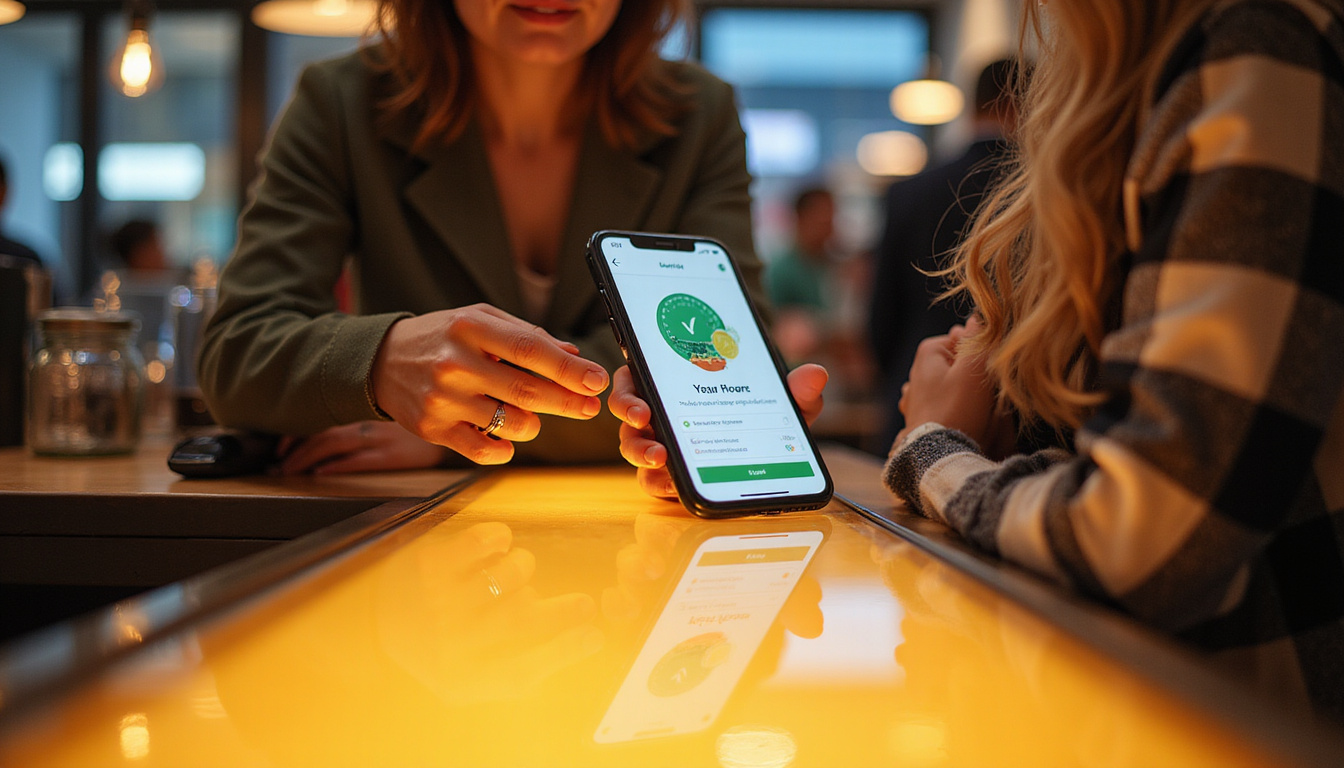
10. Leverage Mobile as a Point of Purchase Tool
Smartphones have become an extension of the point of purchase, even inside stores.
Options include:
- Mobile self-checkout that offers add-on suggestions during the scan-and-pay flow.
- Apps that push context-aware offers when customers approach checkout zones.
- QR codes near displays linking to product reviews, how-to content, or related add-ons.
By integrating mobile touchpoints, you extend the power of the point of purchase beyond the counter or checkout page.
Practical Checklist: Optimizing Your Point of Purchase
Use this list to audit and improve your current POP setup:
- Visibility: Can a first-time customer easily identify the point of purchase area from anywhere nearby?
- Relevance: Do your POP products clearly relate to typical basket items?
- Simplicity: Are there too many choices, signs, or conflicting offers?
- Value message: Does your signage clearly answer “Why add this now?”
- Loyalty integration: Is your program easy to join or use at checkout?
- Trust signals: Are returns, guarantees, and policies clear and reassuring?
- Education: Do you provide helpful tips or content that adds value?
- Measurement: Are you tracking POP performance (conversion, average order value, add-on rates)?
- Testing: Do you regularly A/B test different POP layouts, items, and messages?
- Consistency: Are POP strategies aligned across in-store, website, app, and email?
Regularly revisiting this checklist will help keep your point of purchase strategy fresh, effective, and customer-centric.
Measuring the Impact of Point of Purchase Strategies
To know what’s working, track clear metrics tied to the point of purchase:
- Average transaction value (ATV) / Average order value (AOV): Does it increase after POP changes?
- Attachment rate: Percentage of orders including at least one point of purchase item.
- Uptake on specific offers: Conversion rate for checkout-only or bundle offers.
- Loyalty engagement: New sign-ups at checkout, redemption rates, and purchase frequency of members vs. non-members.
- Customer feedback: Comments or survey responses about checkout experience and perceived pressure.
In digital channels, A/B testing is straightforward: rotate different POP modules, prices, or copy and measure uplift. In-store, you can test at the location or store level and compare before/after results.
FAQ: Point of Purchase Strategies and Best Practices
Q1: What is a point of purchase display, and how is it different from regular shelving?
A point of purchase display is a dedicated setup near the checkout area or in high-traffic zones designed to influence last-minute buying decisions. Unlike regular shelving that organizes products by category or brand, a POP display is curated around themes (e.g., “On-the-Go Essentials”) and supported by signage and offers to prompt quick, impulse additions.
Q2: How can small retailers use point of purchase marketing without seeming pushy?
Small retailers can keep point of purchase marketing customer-centric by focusing on helpful, low-cost add-ons that genuinely enhance the main purchase: care kits, refills, small treats, or complementary accessories. Clear, friendly copy (“Most customers add this for easier cleaning”) and visible return policies help the experience feel like service, not pressure.
Q3: What are some effective digital point of purchase techniques for eCommerce stores?
Effective digital techniques include: “frequently bought together” bundles on product pages, small upsell modules in the cart (“Add this for 15% off”), checkout add-ons like gift wrapping or protection plans, and prominent loyalty messaging that shows points earned or redeemable. The key is to keep the checkout flow smooth and ensure offers are relevant to what’s already in the cart.
Turn Your Point of Purchase Into a Profit and Loyalty Engine
Every customer who reaches your point of purchase has already said “yes” to you. The question is whether you’ll treat that moment as a narrow payment step or as a powerful touchpoint for added value, impulse sales, and long-term loyalty.
By making your point of purchase more visible, curated, and helpful — integrating smart cross-sells, low-friction add-ons, education, and loyalty rewards — you turn routine transactions into experiences that feel thoughtful and rewarding.
Audit your current POP setup, choose one or two strategies from this guide, and test them over the next 30 days. With focused experimentation, you can quickly see lifts in average order value and repeat visits — and transform the point of purchase from an afterthought into one of your most strategic marketing tools.